Manaslu Circuit Trek Difficulty: Terrain, Fitness Level & What to Expect
Many trekkers ask whether they can handle the Manaslu Circuit Trek. It’s a rewarding adventure, but it does require effort. The trek ranges from moderately difficult to challenging, especially near Larkya La Pass at 5,160 meters.
The Manaslu Circuit stands apart from the busy Everest or Annapurna trails. You’ll pass through remote villages, walk along narrow mountain paths, and travel through high-altitude areas with only basic facilities and limited help. Its remoteness, altitude, rough terrain, and long days make it tougher than many other popular treks in Nepal.
The hardest part of the trek is crossing Larkya La Pass. This day takes 8 to 10 hours, starts before sunrise, and challenges both your body and mind. With good preparation, training, acclimatization, and support from experienced Sherpa guides, you can do it.
How Difficult Is the Manaslu Circuit Trek?
The Manaslu Circuit Trek is usually rated as moderately difficult to challenging. Here’s what that means in real terms:
- Average walking hours: 6–8 hours per day, with the longest day (Larkya La Pass crossing) taking 8–10 hours
- Terrain difficulty: Rugged mountain trails with steep ascents and descents, narrow paths, suspension bridges, and rocky sections
- Maximum altitude: 5,160 meters at Larkya La Pass, which is high enough to pose a risk of altitude sickness
- Fitness requirement: Good cardiovascular endurance, previous multi-day hiking experience, and mental resilience for challenging conditions
- Technical skills: You don’t need mountaineering experience, but you should feel confident on steep, narrow trails
- Remoteness: Facilities are limited, tea houses are basic, internet is rare, and evacuation takes longer than on more popular routes
Factors That Make the Manaslu Circuit Trek Difficult
1. Remote Location and Limited Infrastructure
The Manaslu region is quieter than other trekking areas in Nepal, which adds to its appeal but also makes it more difficult. Unlike Everest, which has better infrastructure, Manaslu offers a more authentic and challenging experience.
Tea houses along the route are simple and usually family-run, offering basic rooms, shared bathrooms, and limited heating. Hot showers and reliable electricity are not available every day. Mobile networks and internet are rare, and most villages have no connection.
Medical facilities are very limited, with only basic first aid at tea houses. If you get serious altitude sickness or are injured, helicopter evacuation is the only option, but bad weather can delay rescue for days. The nearest proper hospital is in Kathmandu, so you need to be self-reliant in the mountains.
The remoteness doesn’t make the trek more technical, but it does make it more mentally challenging. It also means you need to prepare well and make good decisions on the trail.
2. Terrain and Trail Conditions
The terrain on the Manaslu Circuit is varied, rugged, and physically demanding. You’ll come across:
Narrow mountain trails: Many sections follow exposed cliff paths barely wide enough for two people to pass. These trails require concentration and steady footing, especially when encountering mule trains carrying supplies.
Steep stone staircases: Villages in the Manaslu region are linked by long stone steps carved into the mountainsides. Climbing these stairs at high altitude, especially while carrying a daypack, will test your leg strength and endurance.
Suspension bridges: The trek crosses numerous suspension bridges over deep gorges and rushing rivers. Some bridges are stable and well-maintained; others sway noticeably and test your nerves. If you have a fear of heights, these crossings can be psychologically difficult.
Landslide zones: Several sections of the trail pass through areas prone to landslides, particularly during the monsoon season. Loose rocks, unstable scree slopes, and occasional trail washouts require careful navigation.
Rocky and uneven paths: Much of the trail is unpaved and rough. You’ll rely on your ankles for balance, and trekking poles are essential, not just a nice extra.
The terrain is tough but manageable if you’re fit, have good balance, and some hiking experience. You don’t need technical climbing skills, but you should feel comfortable with heights and confident on steep, uneven ground.
3. High Altitude Challenges
Altitude is one of the main challenges on the Manaslu Circuit Trek. The route climbs from about 700 meters up to 5,160 meters at Larkya La Pass, which is high enough for altitude sickness to affect even experienced trekkers.
As you climb higher, there’s less oxygen in the air. Above 3,000 meters, your body works harder to do simple things. By 4,000 meters, you might notice shortness of breath, a smaller appetite, and trouble sleeping, even if you’re well acclimatized.
The trek's itinerary includes built-in acclimatization days, but altitude affects everyone differently. Common symptoms to watch for include:
- Headaches that worsen overnight or with exertion
- Nausea or loss of appetite
- Dizziness or lightheadedness
- Unusual fatigue or weakness
- Difficulty sleeping or breathing at night
Severe altitude sickness (HAPE or HACE) is rare but possible. The most important rule is to go down immediately if your symptoms get worse, even after resting. At Larkya La Pass, every step takes more effort, your heart rate stays high, and even simple tasks can feel exhausting.
Proper acclimatization is essential. This means ascending slowly, drinking plenty of water, and listening to your body. That’s why the typical Manaslu Circuit trek takes 14 to 18 days instead of rushing through in 10 to 12 days.
4. Daily Walking Hours and Trekking Pace
Most days on the Manaslu Circuit Trek involve 6 to 8 hours of walking. While that might not seem too hard, at high altitude and on rough trails, it can be very tiring.
A typical trekking day starts after breakfast, around 7 or 8 AM. You’ll walk with regular breaks for water, snacks, and photos, reaching your destination in the early afternoon. This gives you time to rest, explore the village, and acclimatize before dinner.
Some days are shorter—acclimatization days might involve only 4–5 hours of walking to a nearby viewpoint or village. Other days are longer and more demanding:
The hardest day: Larkya La Pass crossing
From Dharamsala (4,460 m) to Bimthang (3,720 m) via Larkya La Pass (5,160 m) is an 8–10-hour day that tests every trekker's limits.
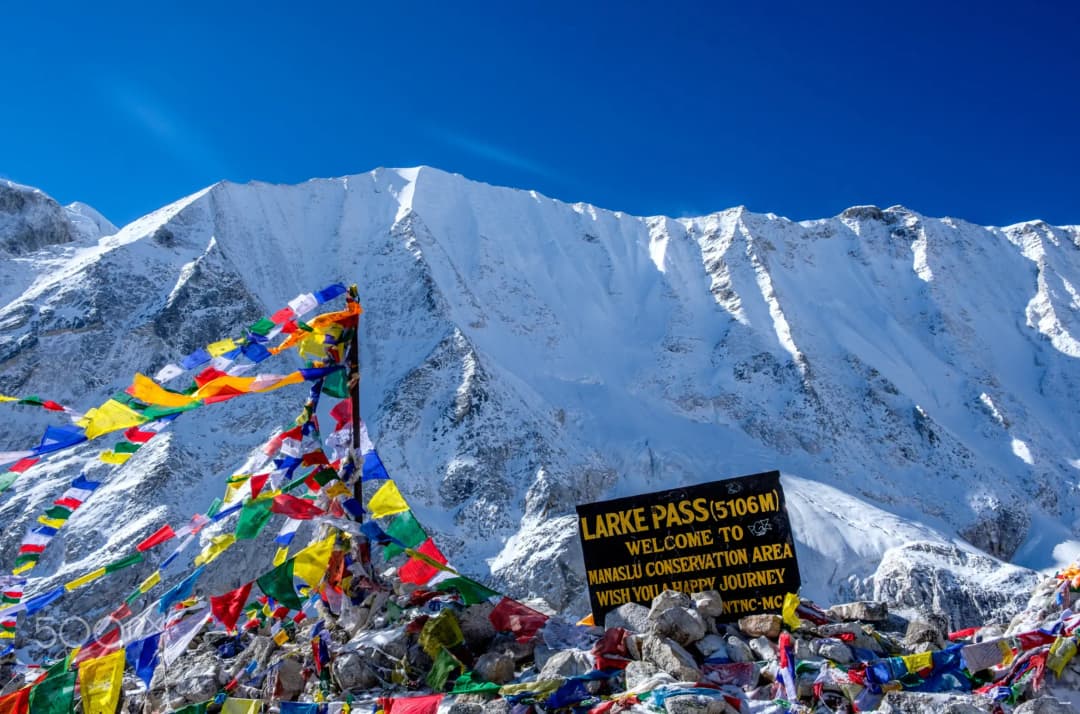
You will wake up around 3 AM for a quick breakfast, then begin climbing in the dark with headlamps. Starting before dawn helps you avoid the strong afternoon winds that can make the pass dangerous. You will climb steadily for 4 to 5 hours through snow and ice, depending on the season, and reach the pass covered in prayer flags around sunrise.
After taking photos and a short rest, you begin the descent. This takes 3 to 4 hours of steep downhill walking, which is tough on your knees and requires careful steps on loose rocks. By the time you reach Bimthang, you’ll have walked almost 10 hours, descended 1,440 meters, and crossed some of the hardest terrain on the trek.
This day shows the difference between trekkers who prepared well and those who underestimated how tough the trek would be.
5. Weather and Environmental Conditions
Weather significantly affects the difficulty of the Manaslu Circuit Trek, particularly at higher elevations.
Mornings are cold, especially above 4,000 meters. At Larkya La Pass, temperatures can fall to -10°C or even -20°C early in the morning. You will need to wear layers, insulated gloves, and a down jacket.
Snow is common at the pass from October to May. Fresh snow makes the crossing harder and can be dangerous. Your guide will monitor the weather and may delay the crossing if conditions are bad, so it’s important to keep your schedule flexible.
Afternoon winds pick up above 4,500 meters, which is why the pass crossing starts before dawn. Strong winds create dangerous wind chill and make the exposed ridge crossing treacherous.
Seasonal differences matter:
- Spring (March–May): Warming temperatures but possible afternoon snow, blooming rhododendrons at lower elevations
- Autumn (September–November): Clear skies and stable weather, but cold at high camps
- Winter (December to February): Very cold with heavy snow at the pass. This season is only suitable for experienced winter trekkers.
- Monsoon (June–August): Not recommended due to landslides, leeches, and poor visibility
Fitness Level Required for Manaslu Circuit Trek
You don’t need to be an elite athlete, but the Manaslu Circuit Trek does require good cardiovascular fitness, strong legs, and mental toughness.
Who can do this trek?
- Trekkers with previous multi-day hiking experience
- People who can comfortably hike 6–8 hours with a daypack
- Those with good cardiovascular endurance
- Trekkers who have handled altitude above 3,000 meters before (preferred but not required)
- Anyone willing to train properly for 2–3 months before the trek
Recommended preparation before arrival in Nepal:
- Cardio training: Running, cycling, swimming, or stair climbing 4–5 times per week to build endurance
- Hiking practice: Weekend hikes with elevation gain, gradually increasing distance, and difficulty
- Leg strength: Squats, lunges, and step-ups to prepare for endless uphill and downhill sections
- Loaded walking: Practice hiking with a 5–7 kg daypack to simulate trekking conditions
- Stair climbing: Use building stairs or step machines to prepare legs for stone staircase climbs
The fitter you are, the more you’ll enjoy the trek. If you’re well-prepared, you can focus on the beautiful mountain views instead of just making it through each day.
Importantly, you don’t need technical mountaineering skills. There’s no rock climbing, rope work, or need for an ice axe. This is a trekking route, not a climbing expedition.
Is the Manaslu Circuit Trek Harder Than Other Treks?
Compared to the Everest Base Camp Trek:
The Manaslu Circuit Trek is harder than the EBC. While Everest reaches a slightly higher altitude (5,364 m), the infrastructure is far better with comfortable lodges, consistent facilities, and easy evacuation access. The Manaslu terrain is more rugged, the tea houses are more basic, and you're more genuinely remote. The Larkya La pass crossing is also more challenging than any single day on the EBC trek.
Compared to the Annapurna Circuit Trek:
These treks are similar in difficulty, both crossing high passes around 5,000 meters. The Annapurna Circuit has better infrastructure and more villages, which makes it a bit easier logistically. However, much of the lower Annapurna Circuit now follows a jeep road, so it feels less wild. Manaslu feels more remote and authentic, but you need to be more self-sufficient.
Compared to Langtang Valley Trek:
Manaslu is much harder. Langtang only goes up to 3,800 meters, has shorter walking days, and offers good facilities. It’s a great trek to try before attempting Manaslu.
Who Should Consider the Manaslu Circuit Trek?
This trek is ideal for:
- Experienced trekkers who have completed at least one multi-day Himalayan trek
- Adventurous travelers seeking authentic experiences away from tourist crowds
- Those who value remoteness and don't mind basic facilities
- Trekkers with good fitness who have trained properly
- People who are comfortable with uncertainty, such as changes in weather, trail conditions, and flexible schedules
- Those seeking cultural immersion in traditional Tibetan Buddhist villages
This trek may not be suitable if you:
- Are doing your first-ever multi-day trek
- Have limited time and can't commit to proper acclimatization
- Need consistent WiFi and modern amenities
- Have a recent altitude sickness history without proper medical clearance
- Struggle with uncertainty or changing plans
Tips to Make the Manaslu Circuit Trek Easier
Based on years of experience guiding trekkers through Manaslu, here are practical tips from our Sherpa guides:
1. Train before you arrive
Don’t expect to get fit during the trek. Arrive in Nepal already in good shape. The first days at altitude are hard enough without poor fitness making things even tougher.
2. Follow the acclimatization schedule
Don’t rush the trek. The rest days and gradual ascent in the itinerary aren’t just extra time—they’re essential for safe acclimatization. Climbing too quickly is the main reason people get altitude sickness.
3. Hire an experienced guide and porter
A good guide can read the weather, spot signs of altitude sickness, handle trail conditions, and make important decisions about crossing the pass. A porter carries your main luggage, so you only need to carry a light daypack. This makes a big difference to your energy and enjoyment.
4. Trek at a steady, sustainable pace
The Nepali saying "bistari, bistari" (slowly, slowly) is good advice. Walking at a slow, steady pace at altitude helps keep your heart rate steady and prevents exhaustion. There’s no prize for reaching camp first.
5. Stay properly hydrated
Drink 3–4 liters of water daily, even when you're not thirsty. Dehydration worsens altitude symptoms and reduces performance. Bring water purification tablets or a filter system.
6. Listen to your body
Headaches, nausea, and unusual fatigue are your body's warning system. Don't ignore symptoms or push through hoping they'll improve. Tell your guide immediately if you feel unwell.
7. Pack appropriate gear
Good trekking boots, warm layers, a quality sleeping bag rated to -10°C, and trekking poles will make your trek much more comfortable. Don’t skimp on essential gear.
8. Maintain a positive mental attitude
Some days will be tough. The weather might be bad, and you may feel tired or affected by the altitude. Mental strength is just as important as physical fitness. Try to focus on the amazing experience instead of any short-term discomfort.
9. Eat well and rest properly
Dal bhat (rice and lentils) gives you lasting energy. Eat even if you’re not hungry. Go to bed early and get plenty of rest, as your body adapts to the altitude while you sleep.
10. Choose the right season
Autumn (September–November) and spring (March–May) offer the best time for Manaslu Circuit trek and trail conditions. Don't attempt this trek during monsoon or deep winter unless you're very experienced.
Frequently Asked Questions
Is the Manaslu Circuit Trek harder than the Everest Base Camp Trek?
Yes, the Manaslu Circuit Trek is generally harder than the Everest Base Camp Trek. While EBC reaches 5,364 m, Manaslu's Larkya La Pass at 5,160 m involves a more challenging crossing with steeper ascents and descents. The Manaslu region is also more remote, with fewer facilities, basic tea houses, and limited evacuation options. Daily walking hours are similar, but the terrain on Manaslu is more rugged with narrower trails and more landslide-prone sections.
How many hours do you walk each day on the Manaslu trek?
Most days on the Manaslu Circuit Trek involve 6–8 hours of walking. The trek includes both shorter acclimatization days (4–5 hours) and longer challenging days (8–10 hours). The hardest day is the Larkya La Pass crossing from Dharamsala to Bimthang, which typically takes 8–10 hours, including the pre-dawn start, pass crossing, and long descent.
Do you need technical climbing skills for the Manaslu Circuit Trek?
No, you do not need technical climbing skills for the Manaslu Circuit Trek. This is a trekking route, not a climbing expedition. However, you should be comfortable walking on narrow mountain trails, crossing suspension bridges, climbing steep stone stairs, and handling high altitude conditions. The terrain is challenging but does not require ropes, ice axes, or mountaineering experience.
What is the hardest day of the Manaslu Circuit Trek?
The hardest day is crossing Larkya La Pass (5,160 m) from Dharamsala (4,460 m) to Bimthang (3,720 m). Trekkers start around 3–4 AM to avoid afternoon winds, climb steadily for 4–5 hours to the pass, then descend steeply for another 3–4 hours. The combination of high altitude, early start, long duration (8–10 hours), cold temperatures, and potential snow makes this the most demanding day of the trek.
Can beginners do the Manaslu Circuit Trek?
The Manaslu Circuit Trek is not recommended for complete beginners. It suits trekkers with prior multi-day hiking experience, good cardiovascular fitness, and, ideally, some high-altitude trekking background. Beginners should first complete easier Himalayan treks, such as Langtang Valley or Poon Hill, before attempting Manaslu. With proper training, acclimatization, and an experienced guide, physically fit beginners can complete the trek, but it will be challenging.
Conclusion
The Manaslu Circuit Trek is challenging, but manageable if you’re well prepared. It’s not a beginner’s trek, but you don’t need superhuman fitness or mountaineering skills. What you do need is honest self-assessment, proper training, good acclimatization, and respect for the mountains.
The remoteness, altitude, rugged terrain, and long trekking days make this one of Nepal’s more challenging treks. But if you’re ready for the challenge, the rewards are incredible: untouched mountain scenery, authentic cultural experiences in Tibetan Buddhist villages, and the deep satisfaction of crossing Larkya La Pass among some of the world’s highest peaks.
At Achieve Treks, our experienced Sherpa guides have safely led hundreds of trekkers through the Manaslu Circuit. We offer detailed pre-trek preparation, well-planned itineraries with proper acclimatization, and on-trail support that helps you thrive in the mountains.
If you’re thinking about the Manaslu Circuit Trek, take time to train well, choose an experienced trekking company, and approach the trek with both enthusiasm and humility. The mountains will reward your preparation with an unforgettable Himalayan adventure.
Ready to experience the Manaslu Circuit Trek? Contact Achieve Treks for detailed itineraries, preparation tips, and expert Sherpa-led trekking services to keep you safe and help you get the most out of this amazing journey.