Best Time to Trek the Manaslu Circuit
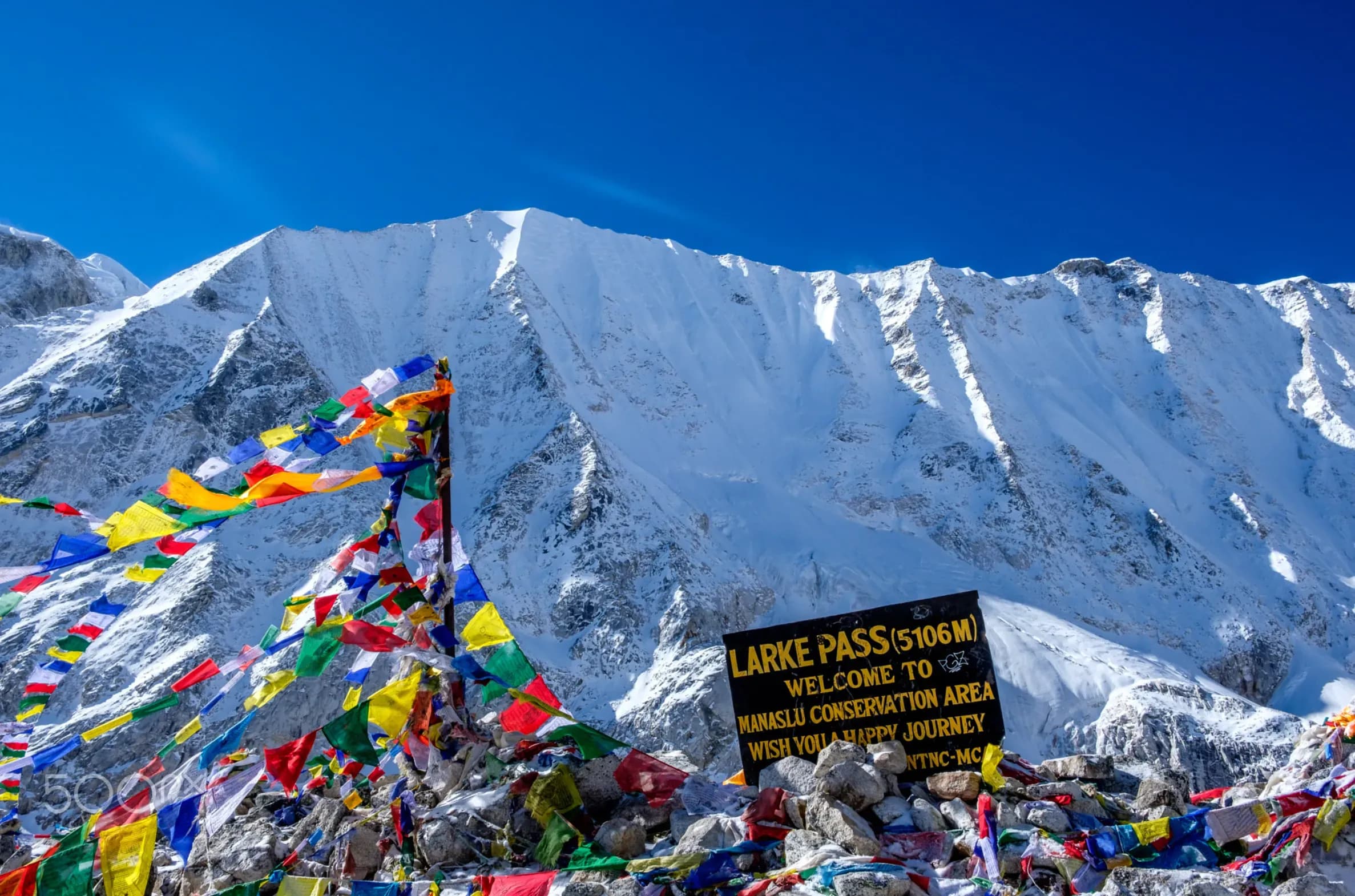
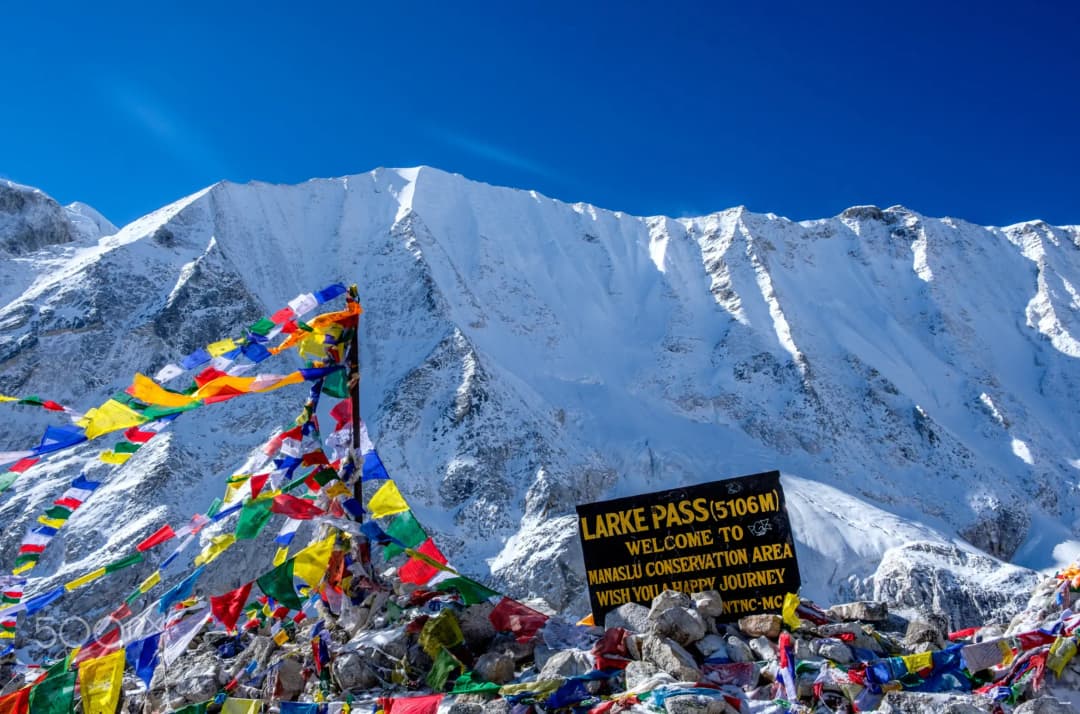
Timing plays a major role in the overall experience of trekking the Manaslu Circuit. Weather patterns in the Himalayas can change quickly, and seasonal conditions directly affect trail safety, visibility, and comfort. The Manaslu Circuit reaches high altitudes and crosses Larkya La Pass (5,160m), where weather windows and snow conditions can determine whether the crossing is smooth or challenging.
Understanding the best time to trek the Manaslu Circuit helps trekkers plan their trip around stable weather, clear mountain views, and safer trail conditions. In general, spring (March–May) and autumn (September–November) are considered the best seasons for the trek. These months offer the most reliable weather and excellent visibility of the surrounding Himalayan peaks.
Winter and monsoon seasons are still possible for trekking, but come with additional challenges such as cold temperatures, snow at high passes, or heavy rainfall in the lower valleys.
Manaslu Circuit Trek Weather Overview
The Manaslu region experiences a typical high‑altitude Himalayan climate. Weather conditions vary significantly depending on elevation and season. The lower valleys near Soti Khola are warmer and more humid, while high alpine areas such as Samagaun and Larkya La Pass experience colder temperatures and stronger winds.
Seasonal weather changes can affect trail conditions, river crossings, and visibility of the mountains. At higher elevations, snow and strong winds near Larkya La Pass can make the trek harder.
Be ready for changing temperatures, especially in the early mornings and evenings.
Spring (March – May): One of the Best Seasons
Spring is one of the best times for Manaslu Circuit trek. As the winter snow melts, trails open up and temperatures warm.
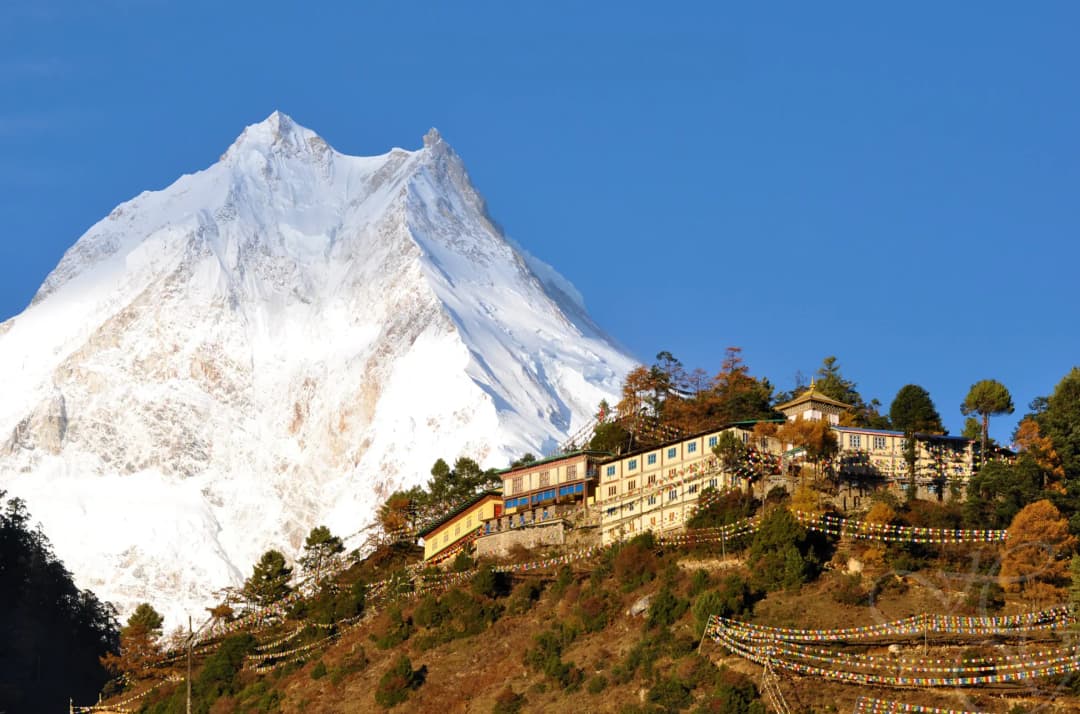
Clear skies and better weather mean you get great views of the Himalayan peaks, including Manaslu (8,163m), Himalchuli, and Ngadi Chuli.
A highlight of spring trekking is seeing rhododendron forests in bloom along the lower trail. Hillsides near Jagat and Deng are covered in bright red and pink flowers, making the scenery especially beautiful as you climb.
Daytime temperatures are comfortable for trekking, but it still gets cold at higher elevations in the mornings and evenings.
Thanks to these good conditions, spring is a favorite for photographers and nature lovers.
Autumn (September – November): The Most Popular Season
Autumn is the most popular and reliable season for trekking the Manaslu Circuit. After the monsoon rains end, the air becomes clear and dust‑free, offering some of the best mountain views of the entire year.
Visibility is often exceptional, with panoramic views of Manaslu, Ganesh Himal, and surrounding peaks. Trails are generally dry and stable, making trekking conditions ideal.
Temperatures during autumn are comfortable, particularly in September and October, when daytime conditions are perfect for long trekking days.
Because of the stable weather and spectacular mountain visibility, autumn is considered the peak trekking season across Nepal.
Trekkers can also experience local cultural events during this season, including major Nepali festivals such as Dashain and Tihar.
Winter (December – February): Quiet but Cold
Winter trekking on the Manaslu Circuit is possible but comes with additional challenges. Temperatures drop significantly, particularly at higher elevations above Samagaun.
Snow accumulation near Larkya La Pass can make the crossing more difficult, and some teahouses may close for the season in more remote villages.
However, winter also offers unique advantages. The trails are very quiet, with far fewer trekkers compared to spring and autumn. Clear winter skies can provide spectacular mountain views.
Trekkers who are well prepared for cold conditions and travel with experienced guides can still complete the Manaslu Circuit in winter.
Monsoon (June – August): Least Recommended Season
During the monsoon, heavy rain falls across Nepal, including the lower parts of the Manaslu Circuit. Trails can get muddy and slippery, and landslides sometimes affect parts of the route.
Clouds during the monsoon often block mountain views, so you might miss the famous Himalayan scenery.
Some parts of the Manaslu region are in a partial rain shadow, so higher elevations may get less rain than areas like Annapurna.
Still, most people avoid trekking during the monsoon because of the trail conditions and poor views.
Why Season Matters for Larkya La Pass
Crossing Larkya La Pass is the most challenging and highest point of the Manaslu Circuit Trek. At 5,160 meters, the pass is exposed to strong winds, snowfall, and rapidly changing weather conditions.
During spring and autumn, weather windows are usually stable enough for safe crossings. Guides typically begin the ascent before sunrise to avoid afternoon winds and clouds.
In winter, heavy snowfall can make the pass more difficult, and trekkers may need to use microspikes or crampons depending on conditions.
Because of these factors, experienced guides closely monitor weather forecasts and trail reports before crossing the pass.
When Should You Trek the Manaslu Circuit?
Different seasons can suit different types of trekkers depending on their goals.
Best time for first‑time trekkers:
Autumn provides the most stable weather and comfortable temperatures.
Best time for photography:
Both spring and autumn give you excellent mountain views and dramatic landscapes.
Best time for fewer crowds:
Late November or early March can provide quieter trails while still offering relatively stable conditions.
Best time for budget trekkers:
Shoulder months, such as March or November, may offer slightly lower trekking costs than peak periods.
Trekking with a Guide in Different Seasons
The Manaslu Circuit is classified as a restricted area trek by the Nepal government. Trekkers must travel with a licensed guide and obtain the required permits before entering the region.
Trekking with an experienced guide becomes even more important during the shoulder seasons or winter when weather conditions can change rapidly.
We at Achieve Treks plan Manaslu Circuit itineraries carefully, taking into account seasonal weather patterns, acclimatization schedules, and safe crossing windows for Larkya La Pass.
Conclusion
For most trekkers, spring and autumn are clearly the best seasons to trek the Manaslu Circuit. These months offer the most stable weather, clear mountain views, and comfortable trekking conditions.
Winter trekking is still possible but requires preparation for colder temperatures and potential snow at high passes. The monsoon season is generally the least recommended due to rainfall and limited visibility.
If you pick the right season and travel with experienced guides, you can enjoy one of Nepal’s most spectacular and rewarding Himalayan treks around Mount Manaslu.