Manaslu Circuit Trek

Manaslu Region
from $1800/person
LevelChallenging
Group SizeMax. 20 people
Duration16 Days
Daily Activity5 - 7 hours
Max. Elevation5160m

The Manaslu Circuit Trek is one of Nepal’s classic Himalayan routes, loved for its quiet trails, gradual elevation gain and rich cultural landscapes. Circumambulating Mt. Manaslu (8,163m)—the world’s 8th highest peak—the Manaslu Trek is a more peaceful alternative to the busier Annapurna and Everest regions while retaining the classic elements of Nepali mountain trekking. Interest in Manaslu Circuit trekking has grown as trekkers look for routes that are authentic and less commercialized. Despite this growing popularity the circuit remains remote due to its restricted area status, controlled permits and limited development—helping to protect both the natural landscape and cultural heritage. Achieve Treks is a Sherpa-led trekking company built on generations of Himalayan knowledge and mountain tradition. Our leadership team comes from Sherpa communities, and every itinerary — including our Manaslu Circuit Trek, is crafted with the same values of safety, respect, and responsible mountain travel that define Sherpa culture.

Itinerary

Detailed Itinerary
1
Day 1: Arrival in Kathmandu

Upon arrival at Tribhuvan International Airport, our team will meet you and transfer you to your hotel in Thamel. In the evening, your trek leader will do a full briefing about Manaslu Circuit, route, altitude, packing and safety. 

You can spend the rest of the day exploring Kathmandu’s streets or relaxing in your hotel after long journey. The city’s mix of temples, markets and cultural energy is a great introduction to Nepal.

Elevation1400m
MealDinner
Accommodation3-5 star hotel
2
Day 2: Preparation Day in Kathmandu

This day ensures you are fully prepared before entering the restricted Manaslu region. You will complete permit formalities (RAP, MCAP, ACAP), review gear with your trek leader and shop for any final equipment in Thamel. 

If time allows you can visit UNESCO heritage sites or relax in a café. This extra preparation day gives you confidence and comfort before heading into remote Himalayan terrain.

Elevation1400m
MealBreakfast, Lunch, Dinner
Accommodation3-5 star hotel
3
Day 3: Drive from Kathmandu to Machha Khola9-10 hours

The journey starts with a long but scenic drive through rural Nepal. The road is smooth to start with, but becomes a rough jeep track after Arughat, winding along the Budi Gandaki River through waterfalls, cliffs, and small villages. You will see the transition from city life to the peaceful rhythm of the countryside.

Machha Khola is a warm riverside village that welcomes you gently into the trek. Teahouses are along the riverbank, and the sound of the river creates a peaceful atmosphere before the trek starts.

Duration9-10 hours
Elevation870m
MealBreakfast, Lunch, Dinner
AccommodationLocal teahouse
4
Day 4: Machha Khola to Jagat 6-7 hours


The trail follows a narrow path above the Budi Gandaki. You walk through forested ridges, cross several suspension bridges and pass small villages like Khorlabesi and the hot springs of Tatopani. The terrain is a mix of rocky riverbank sections, stone staircases and shaded jungle paths.

Jagat is a beautifully stone-paved village marking the official entry into the Manaslu Restricted Area. Traditional houses, mani walls and a peaceful main square create an authentic Himalayan setting. It’s the first village where trekkers feel firmly inside “expedition country”.

Duration6-7 hours

Elevation1410m
MealBreakfast, Lunch, Dinner
AccommodationLocal teahouse
5
Day 5: Jagat to Deng7-8 hours

Today’s path climbs through terraced hills and picturesque villages like Sirdibas before reaching Philim, one of the region’s largest settlements. Beyond Philim, the valley narrows into a dramatic gorge with waterfalls and forest. Long suspension bridges span the river as the trail grows quieter and more remote, reflecting the cultural shift towards Tibetan influence.

Deng is a compact riverside village surrounded by forested slopes. Its stone homes, small fields, and relaxed pace offer an intimate look into traditional mountain life. The atmosphere here is peaceful, marking your entry into Upper Manaslu culture.

Duration7-8 hours
Elevation1804m
MealBreakfast, Lunch, Dinner
AccommodationLocal teahouse
6
Day 6: Deng to Namrung 6-7 hours

The trail goes through the forest, crosses several bridges, and passes villages like Rana and Bihi Phedi. As the valley opens up, the first big peaks appear—Shriung Himal (7,165m) and Kutang Himal (~6,800m) above forest ridges. Mani walls, chortens, and prayer wheels become more common as Tibetan Buddhist influence grows. After Ghap, you climb through a beautiful rhododendron and fir forest before entering the open valley of Namrung.

Namrung is a well-developed village with comfortable teahouses, monasteries, and mountain views. It feels like the gateway to the upper Himalayan world, with a mix of culture and facilities.

Duration6-7 hours
Elevation2630m
MealBreakfast, Lunch, Dinner
AccommodationLocal teahouse
7
Day 7: Namrung to Lho 4-5 hours

A scenic day with forest paths and terraced fields in the villages of Lihi and Sho. The views of Manaslu and nearby peaks improve as you go. The terrain is gentle with occasional climbs and beautiful meadows.

The trail passes Lihi and Sho where you’ll see Manaslu North (7,157m) and the sharp ridges of Naike Peak (6,291m). As you approach Lho the massive ice wall of Manaslu (8,163m) appears for the first time—an unforgettable moment on the trek.

Lho is one of the most beautiful villages on the Manaslu Circuit. Dominated by Ribung Monastery and surrounded by stone houses and long mani walls, it’s an amazing spot for sunset views of Manaslu. The village feels peaceful, spiritual and Himalayan.

Duration4-5 hours
Elevation3180m
MealBreakfast, Lunch, Dinner
AccommodationLocal teahouse
8
Day 8: Lho to Samagaon5-6 hours

Leaving Lho the trail enters a stunning section of the valley, through pine forest and open grazing land. From Shyala the views include Manaslu (8,163m), Himalchuli (7,893m), Ngadi Chuli (7,871m) and the glaciated ridges of Naike Peak (6,291m). The terrain is wide valley floors and open pastures with streams running through them. The walk is moderate with gentle ascents and wide valley paths that get colder and windier as you go higher.

Samagaon is one of the cultural hubs of the Manaslu region. The village has long mani walls, yak pastures and traditional stone houses against the north face of Manaslu. Life feels deeply Tibetan Buddhist and the setting is one of the most memorable on the whole circuit.

Duration5-6 hours
Elevation3530m
MealBreakfast, Lunch, Dinner
AccommodationLocal teahouse

View trip detail

Trip Image

Remote Himalayan Landscape with Big Peak Views

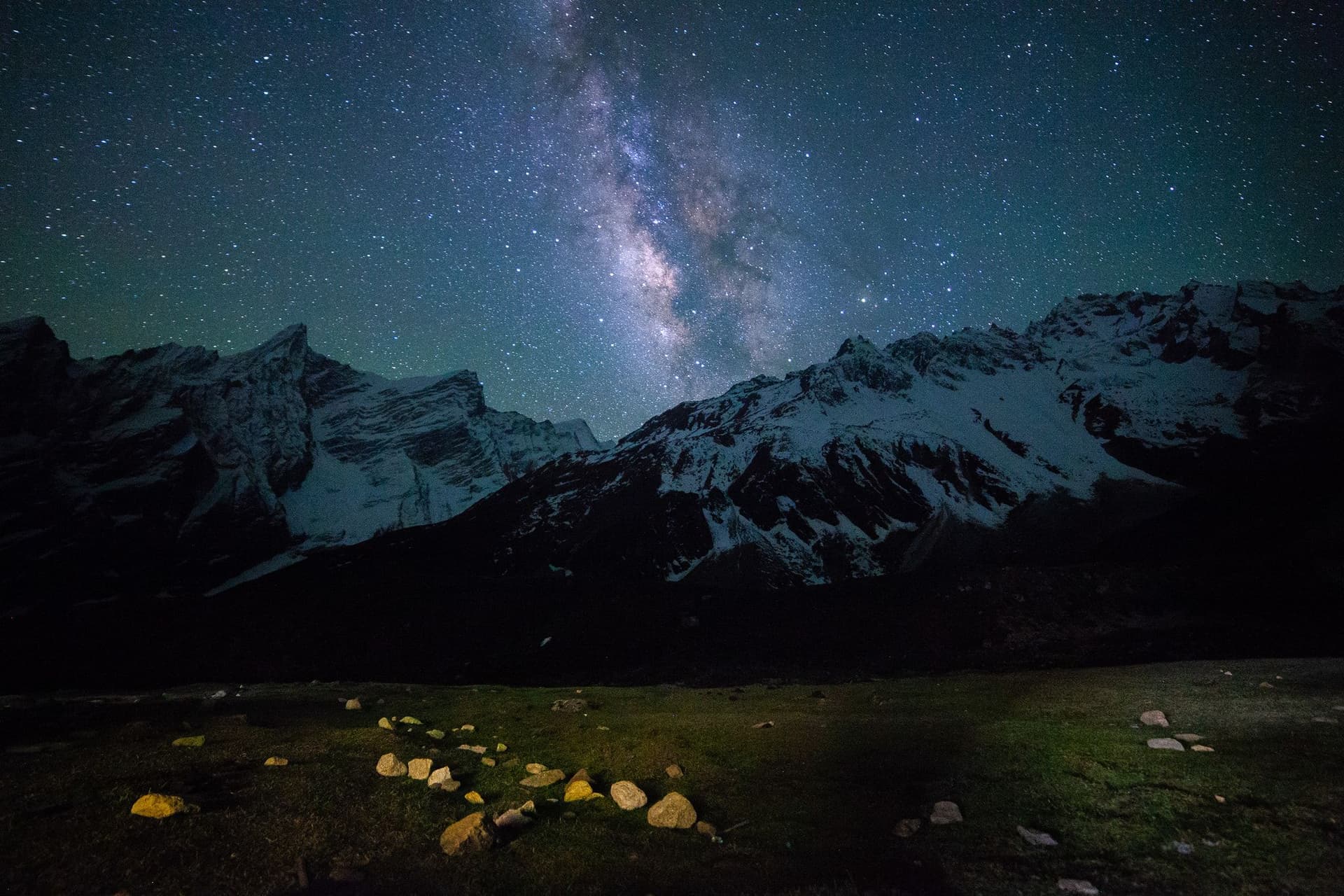
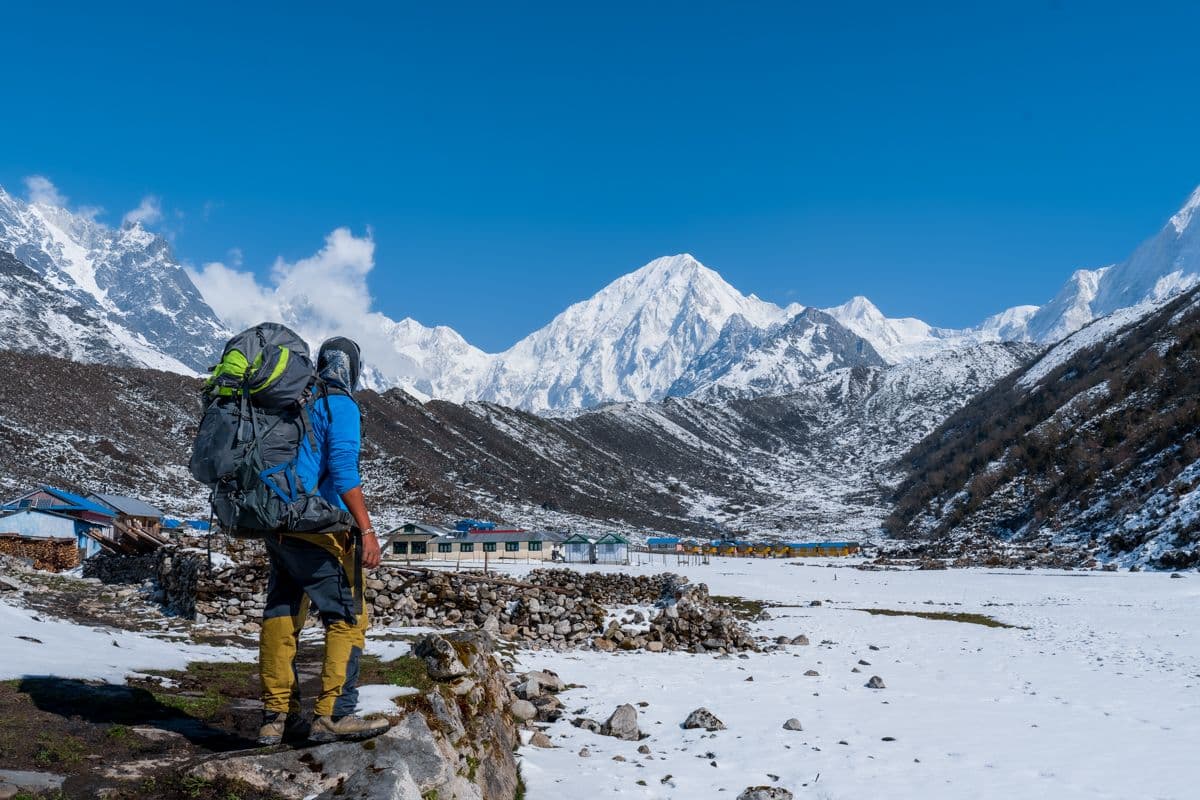
The Manaslu trekking trail starts in the lower hills of Gorkha and climbs steadily through terraced farmland, river gorges and forested paths. As the trail rises into alpine terrain trekkers get impressive views of Himalchuli (7,893m), Ngadi Chuli (7,871m), Shriung Himal (7,165m), Ganesh Himal (7,422m) and the towering Manaslu (8,163m). The variation in terrain—from lowland valleys to high glacial basins—makes the circuit interesting and visually diverse.

Trip Image

An Authentic Trekking Experience

Although remote the region is supported by family run teahouses with simple but reliable accommodation and food. So you get to experience the traditional Himalayan environment while still having the comfort and structure of a multi day trek. As a Sherpa-led company, Achieve Treks approaches the Manaslu region with deep cultural respect and long-established community connections. Our operational philosophy is shaped by Sherpa values: humility, safety, environmental care, and meaningful engagement with local people.

Trip Image

Larkya La Pass (5,160m)

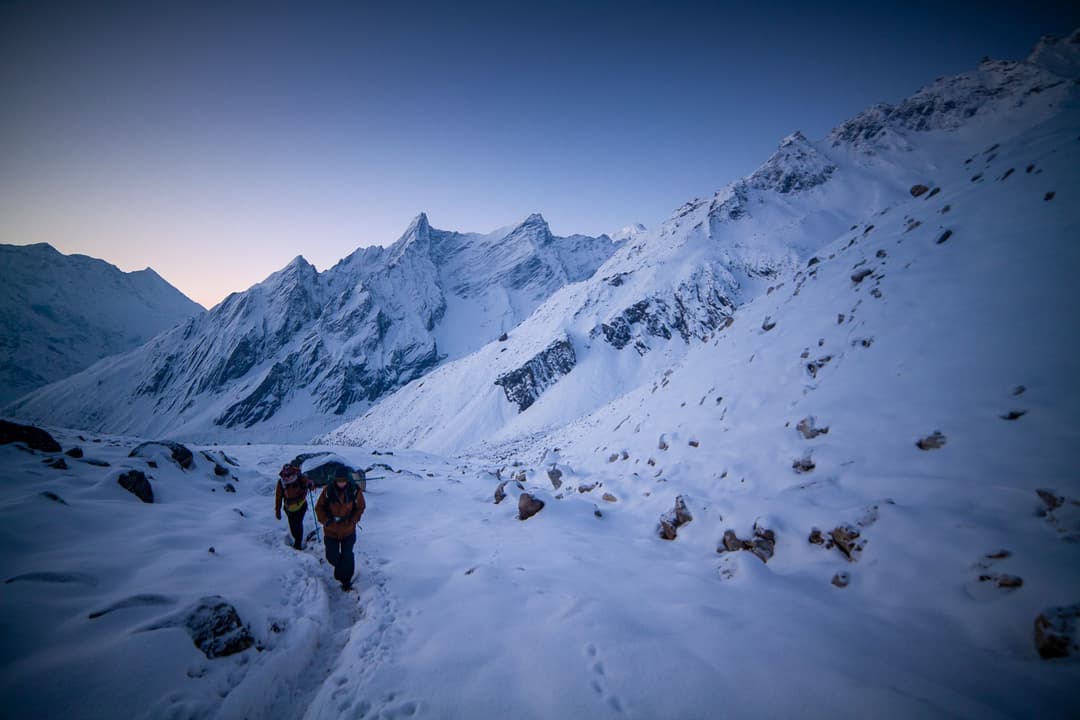
The high point of the trek Larkya La Pass (5,160m) is one of the most scenic and memorable viewpoints in the Himalayas. From the top trekkers can see Himlung Himal (7,126m), Cheo Himal (6,812m), Gyaji Kang (7,038m) and Kangguru (6,981m). The gradual approach to the pass through glacial terrain gives a sense of scale and achievement that is the Manaslu experience.

Trip Image

Real Tibetan Culture

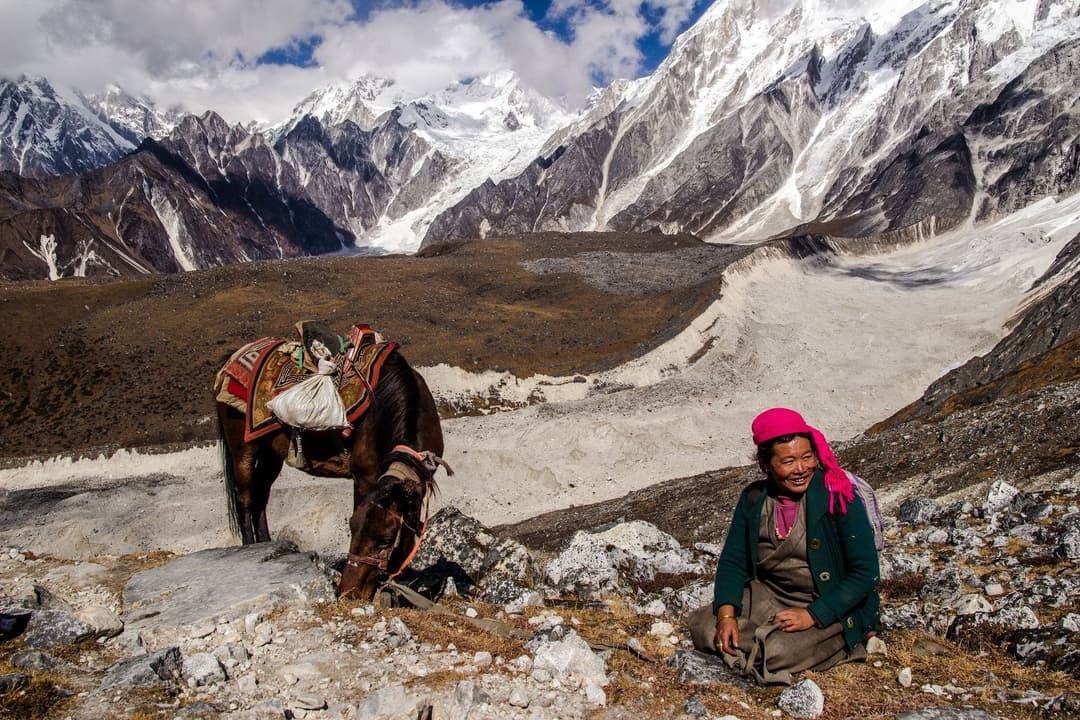
Villages like Lho, Sama Gaun, Prok, and Samdo have a traditional Tibetan Buddhist way of life based on agriculture, yak herding, and long-established religious practices. Monasteries, prayer walls, and local customs are part of daily life, not tourist-oriented displays, so you get the cultural authenticity of the trek.

Practical Details

Trip Summary
What's included
What's not included
Side Trips & Acclimatization on the Manaslu Circuit Trek
Manaslu Circuit Trek Requirements & Prerequisites (Expert Guidance)
Manaslu Trek Permits & Regulations (What You Need to Know)
Altitude, AMS & Safety Guidelines for the Manaslu Circuit Trek
Best Time for the Manaslu Circuit Trek (Season-by-Season Guide)
Accommodation, Food & Teahouse Experience on the Manaslu Circuit Trek
Tips for a Successful Manaslu Circuit Trek
Age Limit18 - 60 years
Best SeasonSpring & Autumn
Duration16 Days
Max. Elevation5160m
Group Size20 people
Daily Activity5 to 7 hours daily

Frequently Asked Questions

Can Beginners Do the Manaslu Circuit Trek?

Yes, beginners can do the Manaslu Circuit Trek, but it requires a moderate level of fitness and a strong sense of adventure. Although it is considered a moderate trek, it can be challenging due to the high altitudes, cold weather, and daily trekking durations. The trek reaches altitudes of over 5,000 meters (16,404 feet), particularly at the Larkya La Pass, so proper acclimatization is crucial to avoid altitude sickness. While previous trekking experience is helpful, it is not mandatory for beginners.

Trekkers should be prepared to walk for 6-7 hours a day, covering an average distance of 15-17 km, although some days may be shorter, around 5 km. A porter will carry most of your belongings, but you should be ready to carry a small daypack with essentials weighing 2-5 kg. Physical fitness is important for managing this weight and enduring the trek’s demands.

Additionally, maintaining good nutrition and hydration before and during the trek is essential to sustain energy levels and overall health. Mental resilience is also a key factor in overcoming the various challenges you may face on the trek, such as steep ascents, rocky paths, and potential altitude effects. Building mental strength and a positive attitude will significantly enhance your chances of a successful and enjoyable trekking experience.

How does the Manaslu Circuit Trek compare to the Annapurna Circuit and Everest Base Camp Trek?

The Manaslu Circuit Trek, Annapurna Circuit Trek, and Everest Base Camp (EBC) Trek are among Nepal's most popular trekking routes, each offering distinct experiences, stunning scenery, and varying levels of challenge:

1. Scenery and Landscapes

- Manaslu Circuit Trek: Features diverse landscapes, from lush forests and terraced fields to alpine meadows and glaciers, with stunning views of Mount Manaslu and surrounding peaks.

- Annapurna Circuit Trek: Offers varied scenery, including rice paddies, rhododendron forests, and high-altitude deserts, with panoramic views of the Annapurna Massif, Dhaulagiri, and Machapuchare.

- Everest Base Camp Trek: Provides breathtaking views of the world’s highest mountains, including Everest, Lhotse, Nuptse, and Ama Dablam, through alpine terrain and Sherpa villages.

2. Cultural Experience

- Manaslu Circuit Trek: Offers an authentic cultural experience with Tibetan-influenced communities, passing through traditional Tamang and Sherpa villages.

- Annapurna Circuit Trek: Features diverse cultural experiences with Gurung, Thakali, and Manangi communities, and a mix of Hindu and Buddhist traditions.

- Everest Base Camp Trek: Provides deep insight into Sherpa culture, with visits to monasteries like Tengboche and the rich spiritual heritage of the Khumbu region.

3. Difficulty and Altitude

- Manaslu Circuit Trek: Moderately difficult with steep ascents, descents, and high-altitude crossings, reaching a high point at Larkya La Pass (5,160 meters).

- Annapurna Circuit Trek: Also moderately difficult, with varied terrain and the highest point at Thorong La Pass (5,416 meters).

- Everest Base Camp Trek: Moderate to challenging, with high-altitude trekking up to Everest Base Camp (5,364 meters) and Kala Patthar (5,545 meters).

4. Trekking Duration and Route

- Manaslu Circuit Trek: Typically takes 14 to 18 days, starting at Soti Khola and ending in Besisahar or Dharapani.

- Annapurna Circuit Trek: Takes 12 to 21 days, with flexible routes that start from Besisahar and end in Jomsom, Tatopani, or Pokhara.

- Everest Base Camp Trek: Typically takes 12 to 14 days round-trip from Lukla, with optional side trips to Gokyo Lakes or Chukhung Valley.

5. Permit Requirements

- Manaslu Circuit Trek: Requires a Manaslu Restricted Area Permit, MCAP and ACAP.

- Annapurna Circuit Trek: Requires ACAP and a TIMS card.

- Everest Base Camp Trek: Requires a Sagarmatha National Park Permit and a Khumbu Pasang Lhamu Rural Municipality Permit.

6. Crowds and Trekking Experience

- Manaslu Circuit Trek: Less crowded, offering a serene and remote trekking experience.

- Annapurna Circuit Trek: Moderately crowded, with ample infrastructure to handle trekkers.

- Everest Base Camp Trek: Highly popular and crowded, especially during peak seasons.

7. Highlights

- Manaslu Circuit Trek: Crossing Larkya La Pass, views of Mount Manaslu, and Tibetan culture.

- Annapurna Circuit Trek: Thorong La Pass, diverse landscapes, hot springs, and views of Annapurna and Dhaulagiri.

- Everest Base Camp Trek: Reaching Everest Base Camp, views from Kala Patthar, Sherpa culture, and the Khumbu Icefall.

8. Environmental and Social Impact

- Manaslu Circuit Trek: Less commercialized with a smaller environmental footprint, focusing on conservation.

- Annapurna Circuit Trek: Significant development impacts; ongoing conservation efforts.

- Everest Base Camp Trek: High popularity brings economic benefits and environmental challenges like waste management.

9. Conclusion

Each trek offers a unique adventure:

- Manaslu Circuit Trek is ideal for those seeking a remote, culturally rich, and less crowded experience.

- Annapurna Circuit Trek is perfect for those looking for diverse landscapes and cultural variety.

- Everest Base Camp Trek is the best choice for those wanting the thrill of reaching the base of Everest and immersing themselves in Sherpa culture.

Your choice depends on your fitness, trekking experience, and desired adventure type

How is the Manaslu Circuit Trekking trail?

The Manaslu Circuit Trek is a diverse and captivating journey that circles Mount Manaslu, the eighth-highest mountain in the world, offering a blend of natural beauty, cultural richness, and physical challenges. Here are the key highlights of the trail:

1. Trail Overview:
Spanning about 177 kilometers (110 miles), the trek begins in the subtropical forests and terraced fields of the Budi Gandaki River Valley and ascends to high-altitude passes in the Himalayas. The trail features varied terrains, from steep, rocky paths to lush forests and glacial valleys.

2. Diverse Terrain and Scenery:

- Lower Elevations (700m - 2,500m): Lush forests, terraced fields, rivers, and suspension bridges, passing villages like Machha Khola and Jagat.

- Mid-Elevations (2,500m - 3,500m): Rugged terrain with oak, rhododendron, and pine forests; traditional villages like Deng, Namrung, and Lho offering Tibetan culture and mountain views.

- Higher Elevations (3,500m - 5,160m): Alpine meadows, yak pastures, and glacial moraines, with dramatic views of Mount Manaslu and other peaks, culminating at the Larkya La Pass (5,160m), the highest and most challenging point of the trek.

3. Challenging Sections:

- Narrow Trails and Rocky Paths: Difficult navigation, particularly between Jagat and Deng.

- Larkya La Pass: Steep, high-altitude climb requiring fitness and acclimatization.

- Steep Ascents and Descents: Physically demanding sections around Namrung and descending from Larkya La Pass to Bimtang.

4. Cultural Encounters:

- Trekkers pass through Tibetan Buddhist villages like Samagaun and Samdo, experiencing local culture, monasteries, and traditional lifestyles.

- Notable religious sites include the Pungyen Monastery and others in Namrung and Lho.

5. Weather and Trail Conditions:

- Spring and Autumn offer the best trekking conditions with clear skies and stable weather.

- Monsoon can bring mud, slippery trails, and landslides.

- Winter presents snow and ice challenges, especially near Larkya La Pass.

6. Teahouses and Accommodation:

- Accommodations are mainly in teahouses, providing basic lodging and meals. Higher altitudes have simpler facilities, making a warm sleeping bag essential.

7. Wildlife and Natural Beauty:

- The trek passes through the Manaslu Conservation Area, home to wildlife like Red Pandas, Himalayan Thar, Snow Leopards, and diverse bird species. The lower sections have rich forests, while the upper areas feature alpine and glacial landscapes.

8. Remote and Less Crowded:

- The trek is less crowded compared to the Annapurna and Everest regions, offering a more remote and tranquil experience with opportunities to connect deeply with nature and local cultures.

9. Preparation and Challenges:

- Physical fitness and mental preparation are crucial for handling the trek's long walking days, high altitude, and varying weather. Proper acclimatization is essential to avoid altitude sickness.

10. Conclusion

- The Manaslu Circuit Trek offers a unique trekking experience, combining remote trails, cultural encounters, and stunning mountain vistas. It's ideal for those seeking an off-the-beaten-path adventure in a less crowded but equally beautiful part of the Nepalese Himalayas.

Are there any altitude considerations on this trek?

The Manaslu Circuit Trek involves significant altitude considerations as it ascends from 710 meters at Soti Khola to a high point of 5,160 meters at the Larkya La Pass. The risk of altitude sickness increases at higher elevations, so proper acclimatization, hydration, and nutrition are crucial. The trek includes acclimatization days in Samagaun and Samdo to help trekkers adjust to the altitude. It's important to recognize symptoms of altitude sickness and descend if necessary. Trekkers should be prepared for the challenges of high-altitude trekking, have a licensed guide, and ensure they have travel insurance that covers emergency evacuation.
Still have questions?
We’re here to help, Contact us directly, and our team will provide assistance or check ourSupport page..