The Great
Himalayan Trail

Nepal
from $25000/person
Duration117 Days
Max. Elevation6146m
Total Distance1700 km
Group Size15 people
Shortest SectionKanchanjunga to Far West (88 Days)
Longest SectionKanchenjunga to Humla and Far west (117 Days)

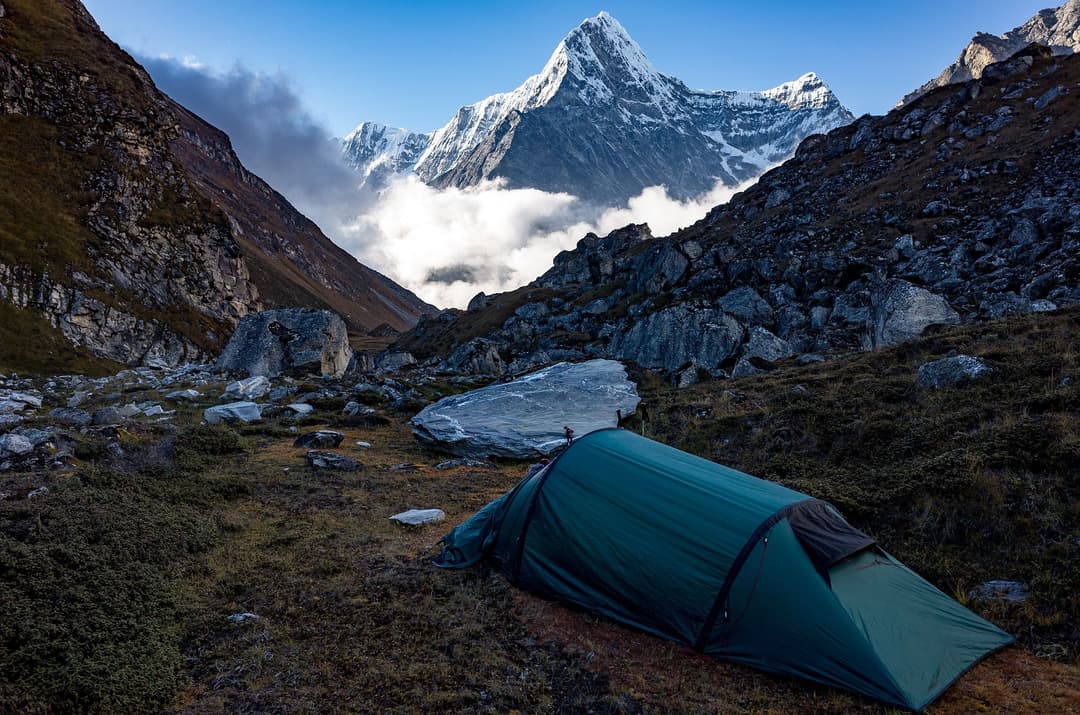
Welcome to the Great Himalayan Trail (GHT), a journey like no other, weaving through the world’s highest peaks, remote valleys, and culturally rich villages of Nepal. The GHT is a network of trails that spans the entire length of the Nepalese Himalayas, offering both experienced trekkers and adventure seekers the opportunity to experience the majestic beauty and diverse landscapes of Nepal.

Scenic diversity includes lush valleys, high-altitude deserts, and more.

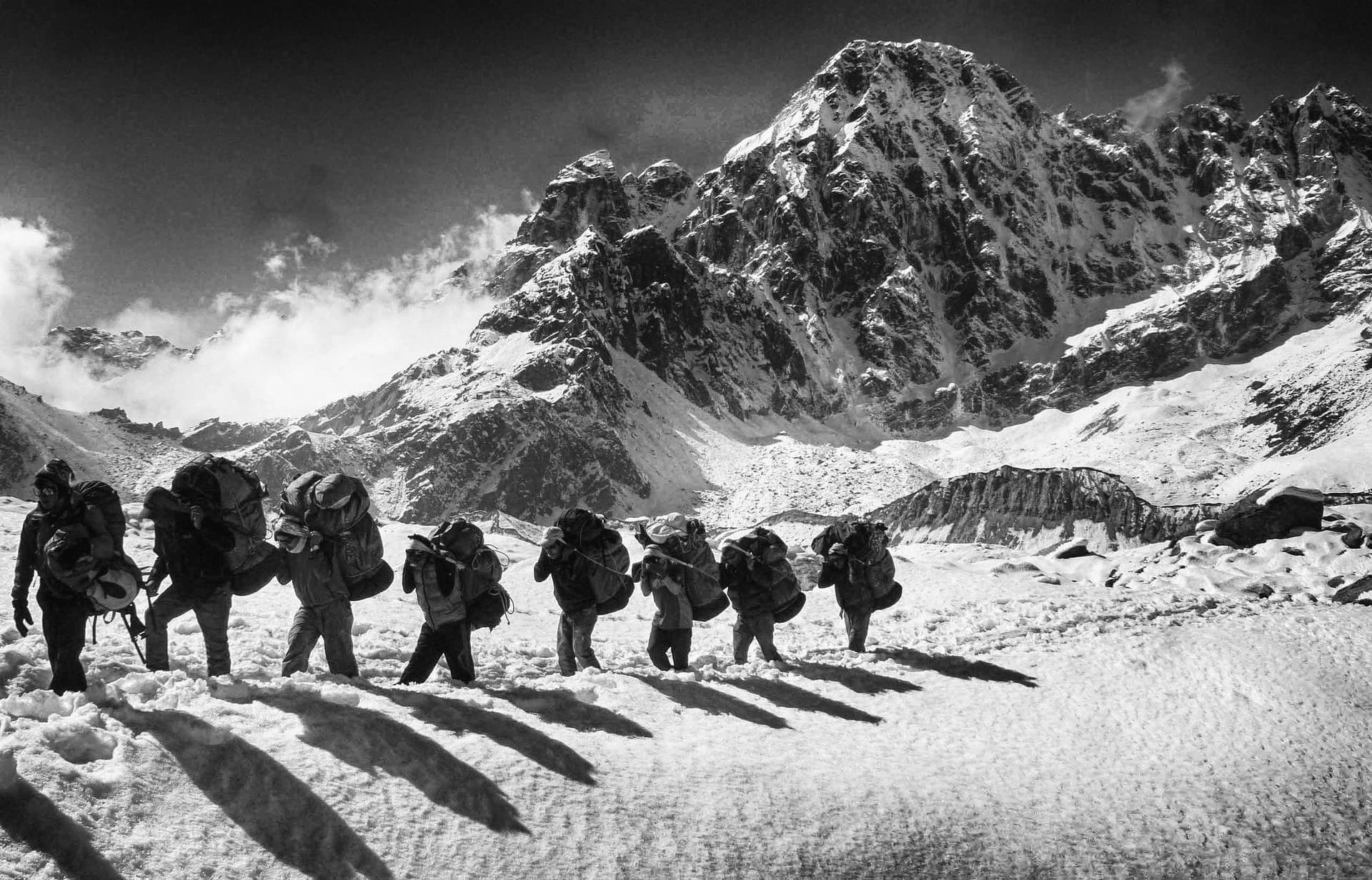
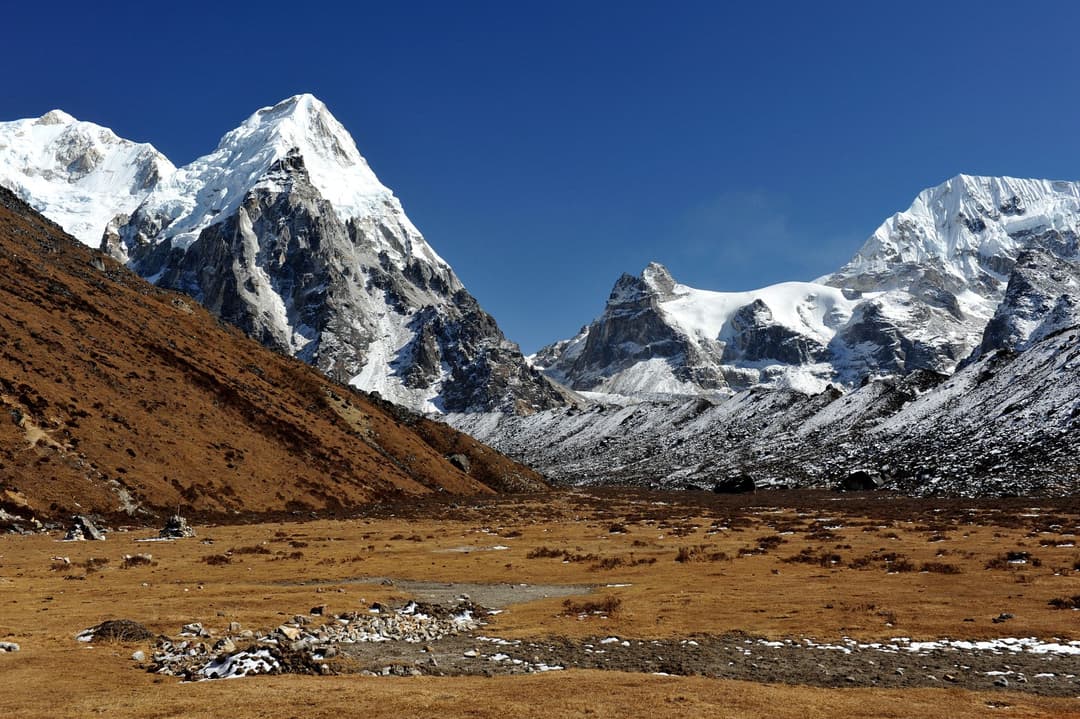
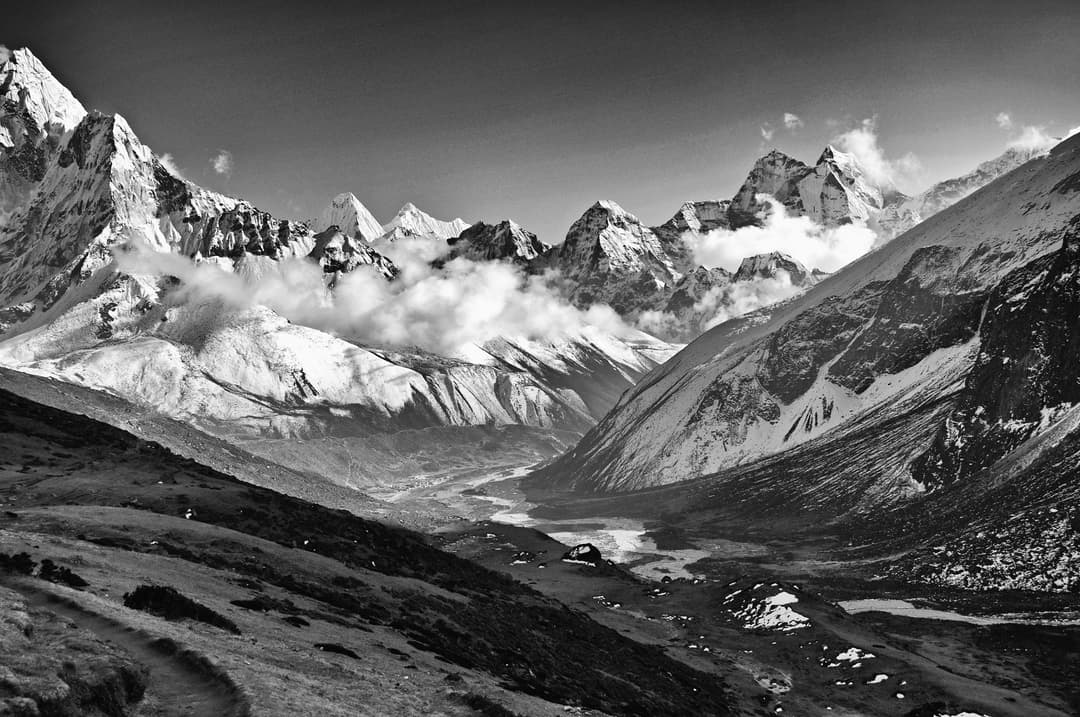
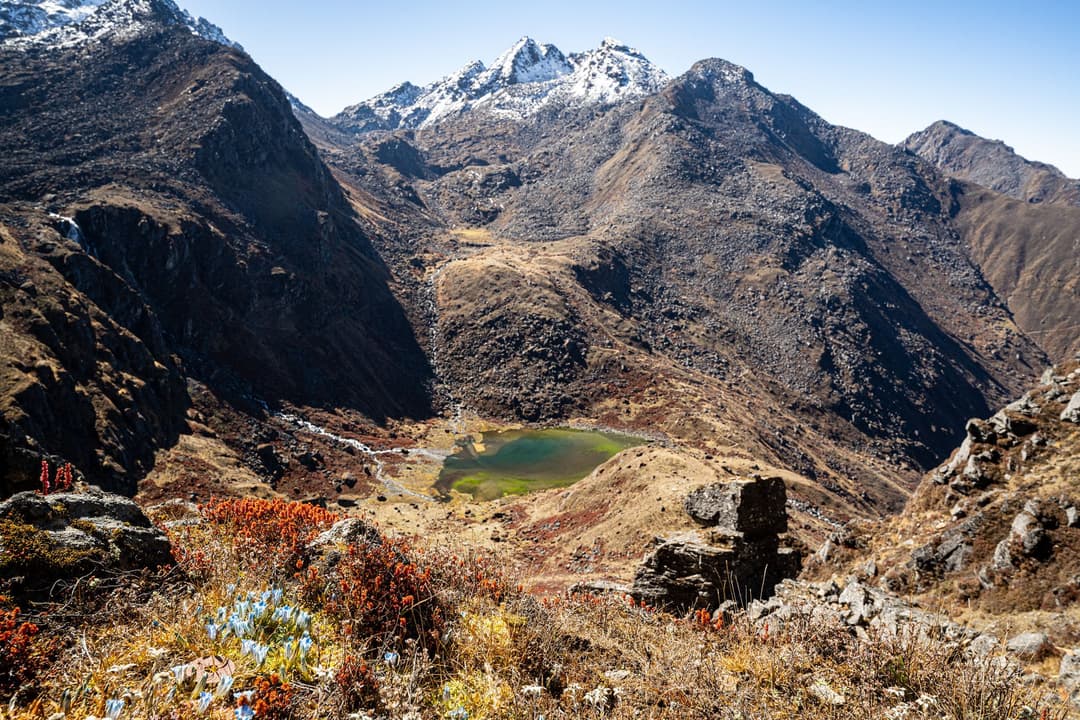
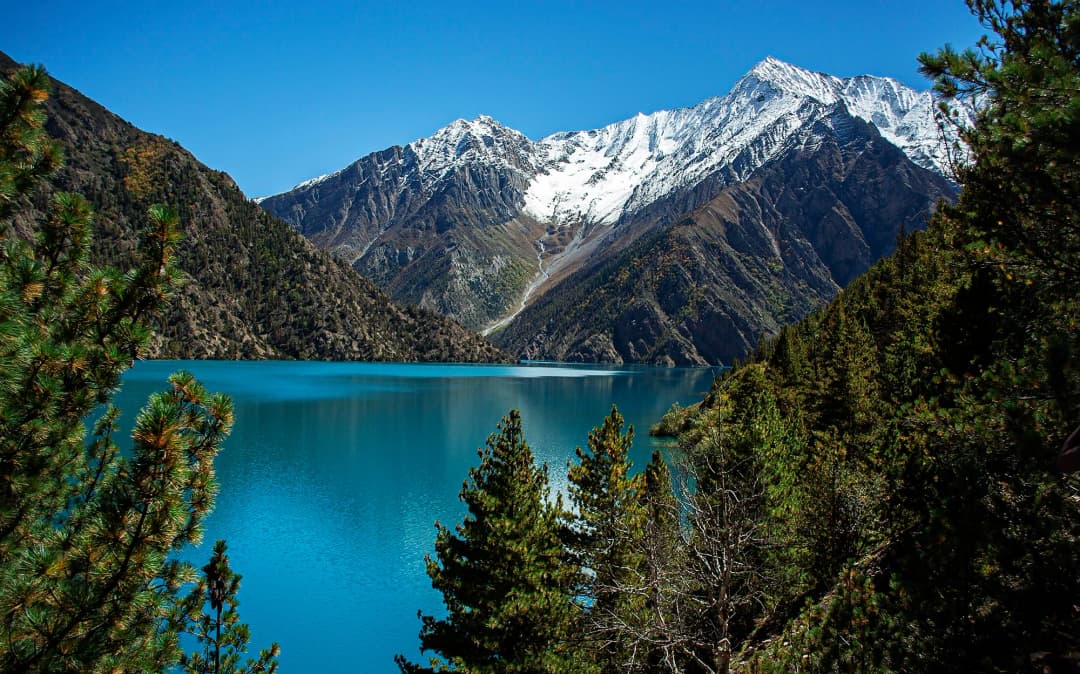
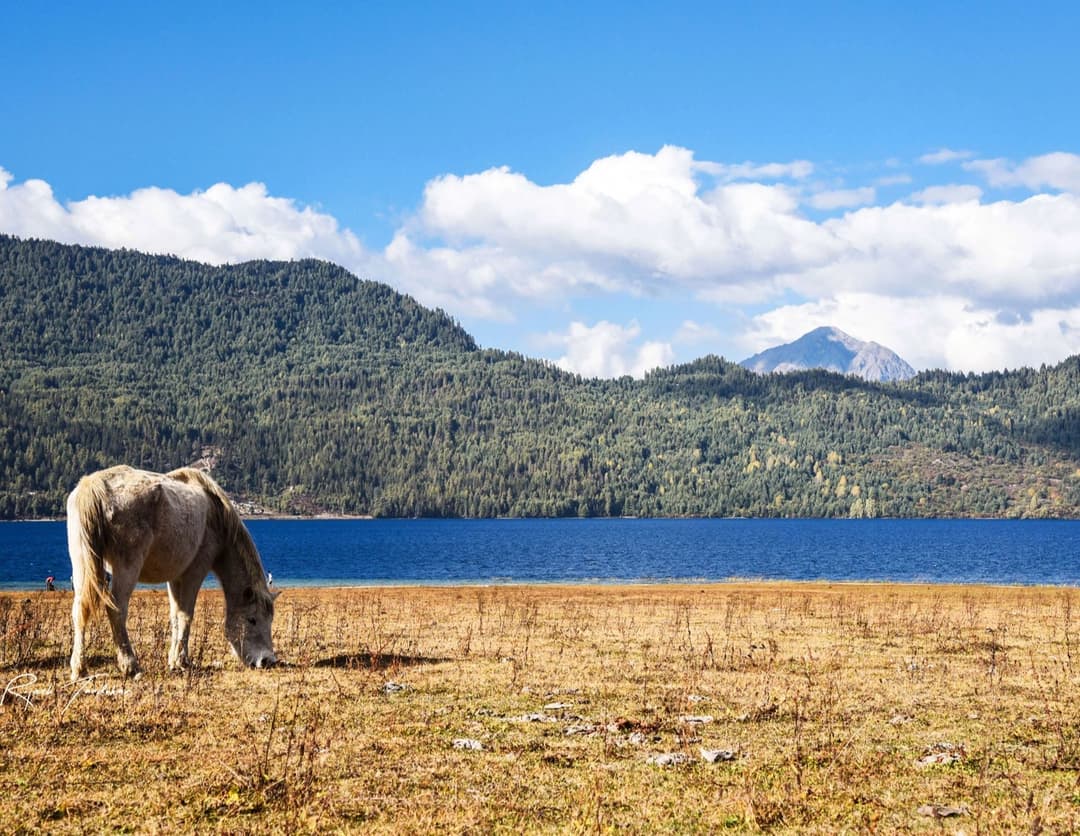
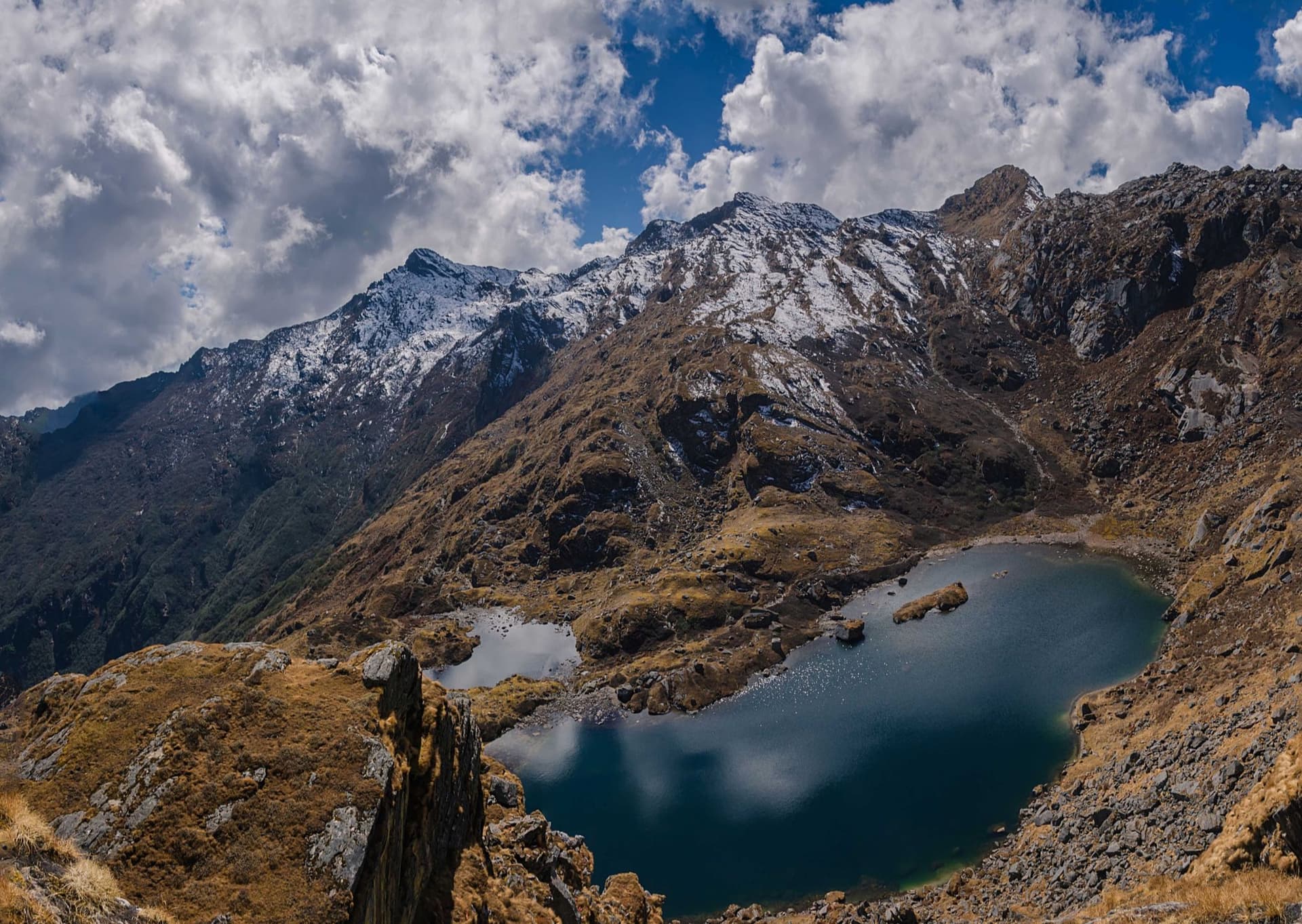
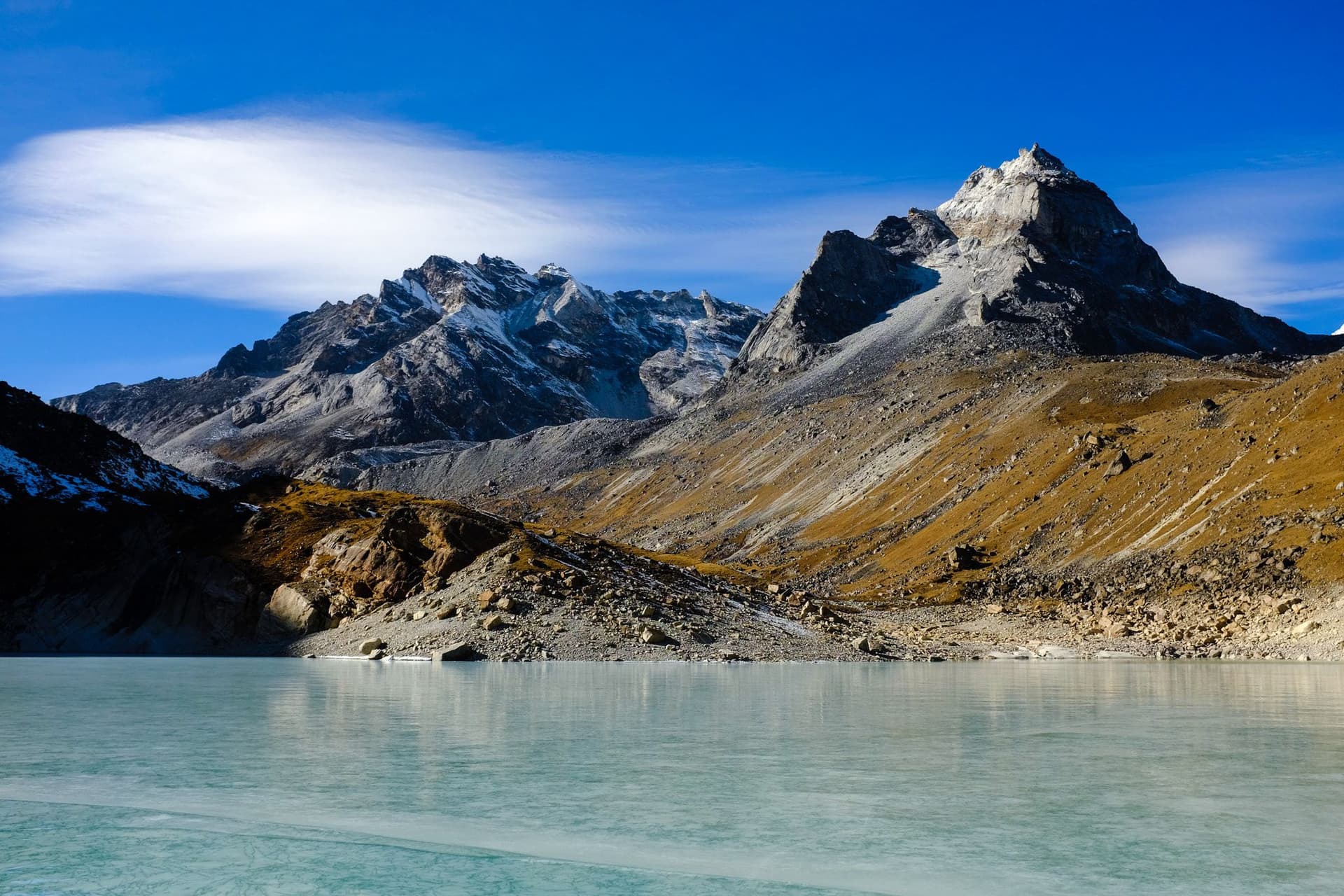
Nepal's section of the GHT is renowned for its stunning variety of landscapes, from lush green valleys and dense rhododendron forests to high-altitude deserts and towering snow-capped peaks. Trekkers can witness an extraordinary range of flora and fauna, and enjoy panoramic views of iconic Himalayan mountains, including Everest, Kanchenjunga, and Makalu. The trail also crosses several significant national parks and conservation areas, providing opportunities to see unique wildlife such as red pandas, snow leopards, and Himalayan tahr.
journey image

Epic Trekking

For the Experienced Explorer.

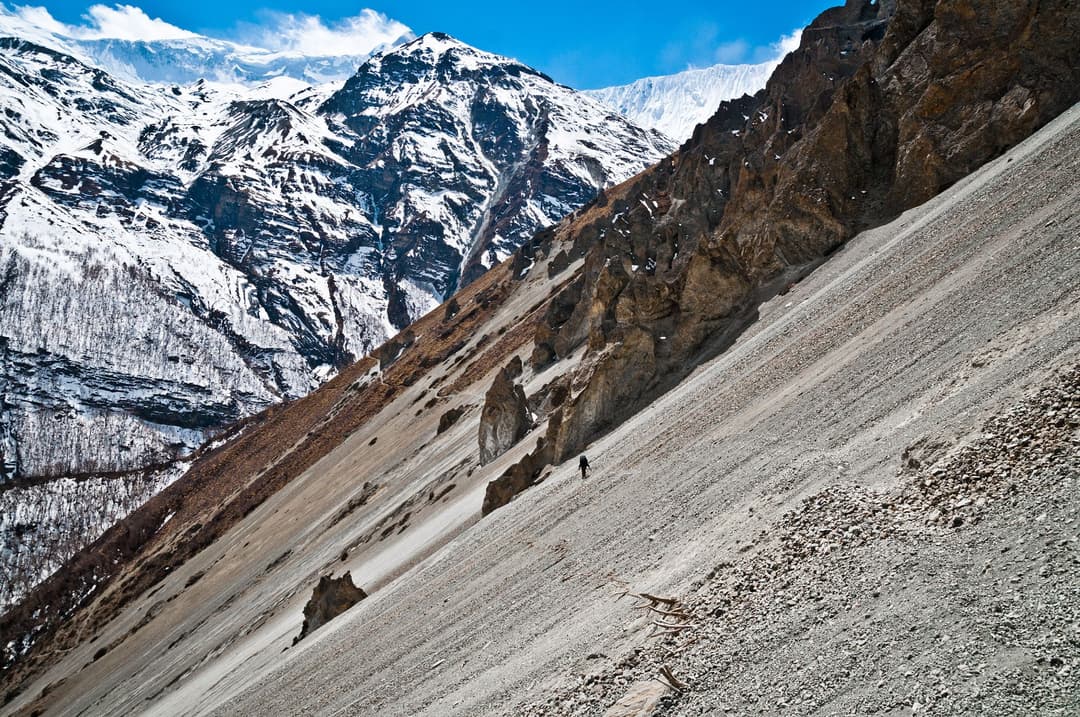
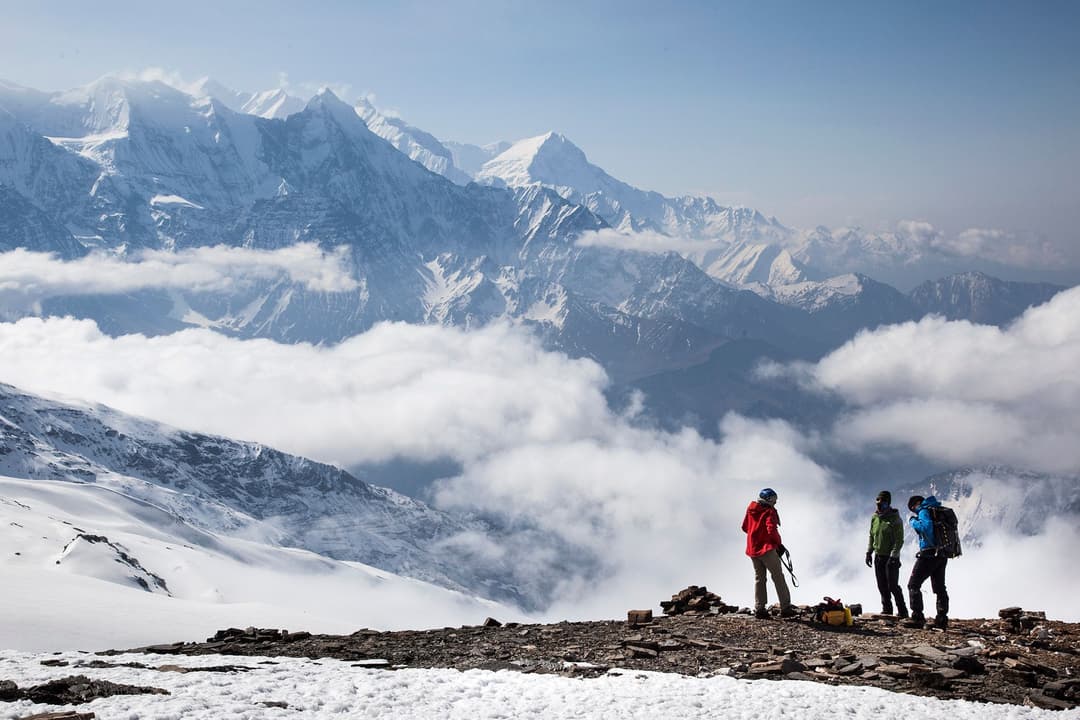
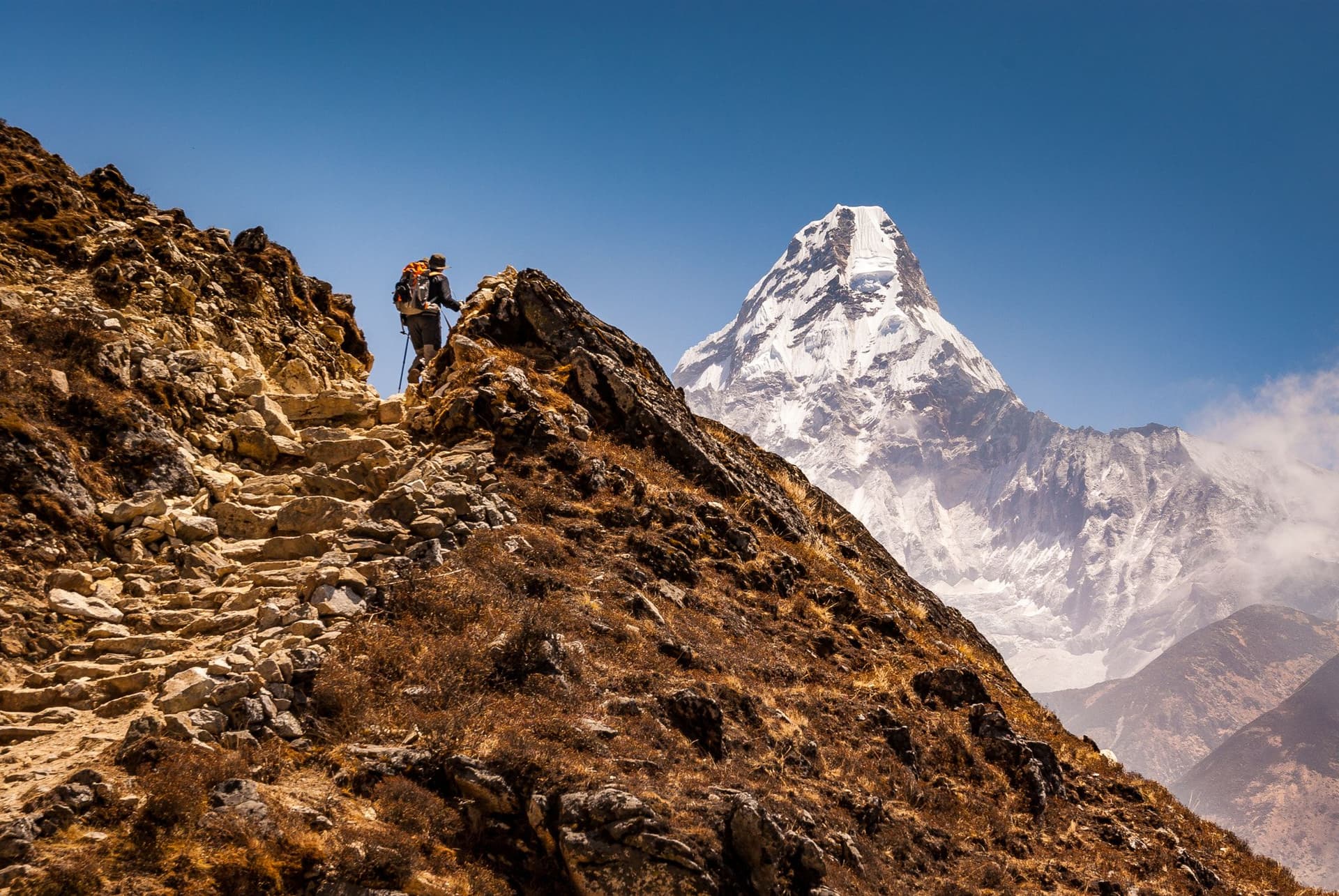
If you're considering The Great Himalayan Trail, ensure you match the challenge with your skills. This trek is designed for seasoned adventurers with advanced trekking and mountaineering experience. Navigating diverse terrains, including glaciers and high altitudes, demands a high level of fitness, adaptability, and self-confidence. This ultimate trek is tailored for those who are comfortable with ascents, skilled in varied terrains, and ready to embark on an extraordinary Himalayan adventure.
Epic Trekking
Epic Trekking
Epic Trekking

GHT Sections

gallery image

Kanchenjunga Region

gallery image

Makalu Region

gallery image

Khumbu Region

gallery image

Rolwaling Region

gallery image

Langtang and Helambu Region

gallery image

Annapurna Region

gallery image

Dhaulagiri Region

gallery image

Dolpa region

gallery image

Rara and Jumla

gallery image

Humla and Far west Nepal

Itinerary

Upper Route Itinerary
1
Day 01: Arrive in Kathmandu

Upon your arrival in Kathmandu, the capital city of Nepal, you will be greeted by a representative at the airport and transferred to your hotel. Take time to relax after your journey, settle into your room, and enjoy the vibrant atmosphere of this bustling city.

In the evening, you’ll gather for a welcome dinner with your trek guide and team members, where you’ll receive a detailed briefing on the Great Himalayan Trail (GHT) itinerary and essential tips for the long expedition ahead. You may also take a short walk around the vibrant Thamel area, known for its shops, restaurants, and historical temples.

Elevation1400m
MealDinner
Accommodation3-5 star hotel
2
Day 02: Sightseeing in Kathmandu

After breakfast, embark on a cultural tour of Kathmandu’s most iconic landmarks, many of which are UNESCO World Heritage Sites. You will visit the ancient Swayambhunath Stupa (also known as the Monkey Temple), which offers panoramic views of the Kathmandu Valley and the surrounding hills.

Next, proceed to Pashupatinath Temple, the most revered Hindu temple in Nepal, located on the banks of the Bagmati River. Here, you will witness rituals performed by Hindu devotees. The tour continues to Boudhanath Stupa, one of the largest stupas in the world, where you can observe Tibetan Buddhist monks chanting prayers.

Finally, explore Kathmandu Durbar Square, a historical royal palace complex featuring intricate wooden carvings and ancient temples. Spend the afternoon preparing for your trek, ensuring all gear and permits are in place.

Elevation1400m
MealBreakfast, Lunch, Dinner
Accommodation3-5 star hotel
3
Day 03: Fly to Bhadrapur (2430 m) and Drive to Ilam4-5 hours

Early in the morning, you’ll take a scenic domestic flight from Kathmandu to Bhadrapur, located in the lowland Terai region of southeastern Nepal. After landing, you’ll begin a beautiful drive towards Ilam, a region famous for its sprawling tea gardens, lush green hills, and mist-covered landscapes.

The journey will take you through picturesque villages and terraced farmlands. Upon arrival in Ilam, settle into your guesthouse and enjoy the cool mountain air. In the evening, stroll through the tea gardens and witness the local tea-picking process, or visit a nearby monastery for a peaceful moment of reflection.

Duration4-5 hours
Elevation1208m
MealBreakfast, Lunch, Dinner
AccommodationLocal teahouse
4
Day 04: Drive from Ilam to Taplejung6-7 hours

Today is a full-day drive from Ilam to the town of Taplejung, the gateway to the Kanchenjunga region. The drive is long but rewarding as you pass through the diverse landscapes of eastern Nepal, transitioning from subtropical lowlands to cooler high-altitude areas.

The scenery gradually shifts from lush forests and terraced hills to more rugged mountain terrain. Taplejung, perched on the hillside, is a bustling market town where you can stock up on supplies for the upcoming trekking days. Upon arrival, you’ll settle into a cozy teahouse, relax, and prepare for the first day of trekking.

Duration6-7 hours
Elevation1825m
MealBreakfast, Lunch, Dinner
AccommodationLocal teahouse
5
Day 05: Drive to Rani Pool and Trek to Sekhathum5-6 hours

The adventure begins as you drive to Rani Pool, the starting point of your trek. From here, you’ll follow the rugged trails alongside the Tamor River, passing through small villages and dense subtropical forests.

As you trek, you’ll cross suspension bridges and witness the sheer beauty of the landscape, with waterfalls cascading down rocky cliffs. The path can be steep and challenging in some sections, but the serene views and fresh mountain air will keep you motivated.

By the afternoon, you’ll arrive at the village of Sekhathum, nestled in a valley surrounded by steep hills. The day ends with a warm meal and rest at a local teahouse.

Duration5-6 hours
Elevation1576m
MealBreakfast, Lunch, Dinner
AccommodationTea house
6
Day 06: Sekhathum to Amjilosa 5-6 hours

Today’s trek takes you deeper into the isolated valleys of eastern Nepal. The trail continues along the Ghunsa Khola, offering frequent views of the river below. You’ll cross suspension bridges and climb through thick bamboo and rhododendron forests.

As you ascend, the landscape changes dramatically, and the air becomes cooler and fresher. The trail is less populated, providing a sense of solitude and a strong connection with nature. You’ll pass through small settlements with terraced fields, where villagers tend to their crops.

After a steady climb, you’ll reach the remote village of Amjilosa, where a hearty meal and warm tea await.

Duration5-6 hours
Elevation2498m
MealBreakfast, Lunch, Dinner
AccommodationLocal teahouse
7
Day 07: Amjilosa to Gyabla 5-6 hours

Your journey continues with a moderate ascent through mixed forests of oak, pine, and rhododendron. The peaceful environment is interrupted only by the sounds of the flowing river and occasional bird calls.

As you climb higher, you’ll begin to notice the gradual transition from dense forests to alpine meadows. The trail winds through picturesque landscapes, including waterfalls, cliffs, and distant snow-capped peaks. You’ll pass by occasional yak pastures and small mountain hamlets.

After a few hours of steady trekking, you’ll reach the village of Gyabla, a small Tibetan settlement that offers panoramic views of the surrounding mountains.

Duration5-6 hours
Elevation2730m
MealBreakfast, Lunch, Dinner
AccommodationLocal teahouse
8
Day 08: Trek from Gyabla to Ghunsa6-7 hours

Today, you will climb further into the mountains as you make your way to Ghunsa, a large Tibetan village nestled in a remote valley. The trek begins with a descent into the river valley before ascending through beautiful rhododendron and coniferous forests. Along the way, you’ll pass through traditional Tibetan villages, where prayer flags flutter in the wind, and the locals greet you with smiles. As you approach Ghunsa, the landscape becomes more open, with expansive views of snow-covered peaks in the distance. Ghunsa is a major stop along the Kanchenjunga trekking route, offering comfortable tea houses and stunning mountain vistas. Take the afternoon to rest and acclimatize.

Duration6-7 hours
Elevation3475m
MealBreakfast, Dinner, Lunch
AccommodationLocal teahouse

Trip Highlights

Spectacular Landscapes

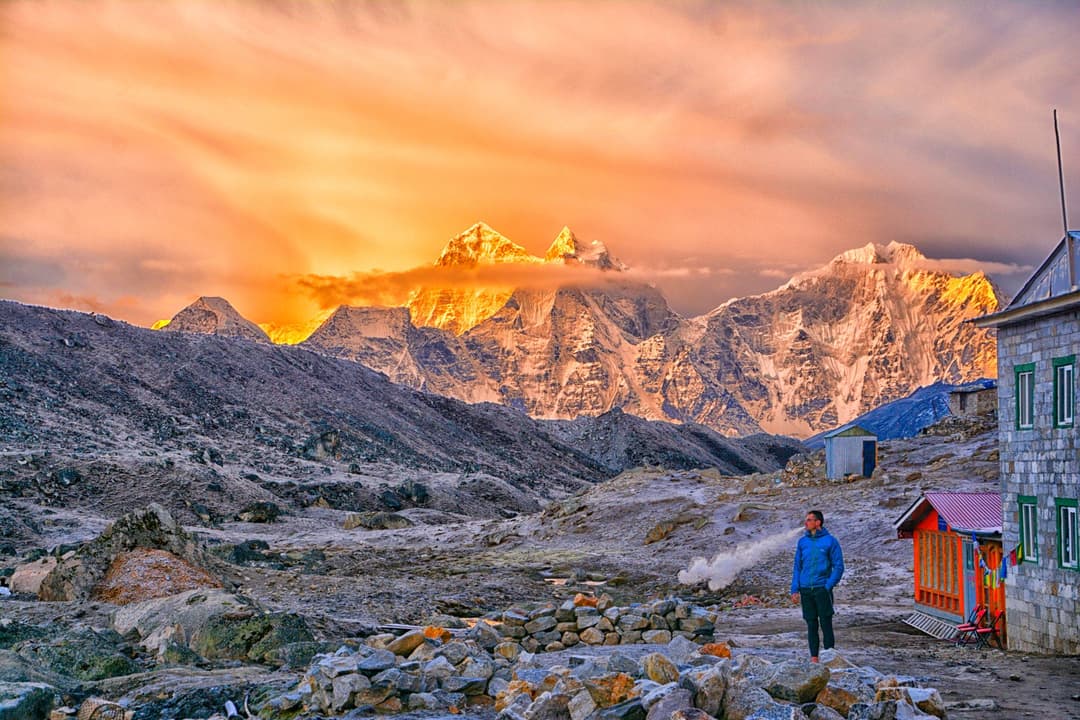
The Great Himalayan Trail (GHT) is renowned for its breathtaking scenery, offering trekkers a chance to explore some of the most stunning landscapes in the world. From the majestic peaks of the Himalayas, including Everest and Annapurna, to lush green valleys and pristine alpine meadows, every step along the trail reveals a new and awe-inspiring view. As you trek through diverse terrains—ranging from dense forests to arid high-altitude plateaus—you will be immersed in the natural beauty that makes the GHT a truly unforgettable experience.
Cultural Encounters

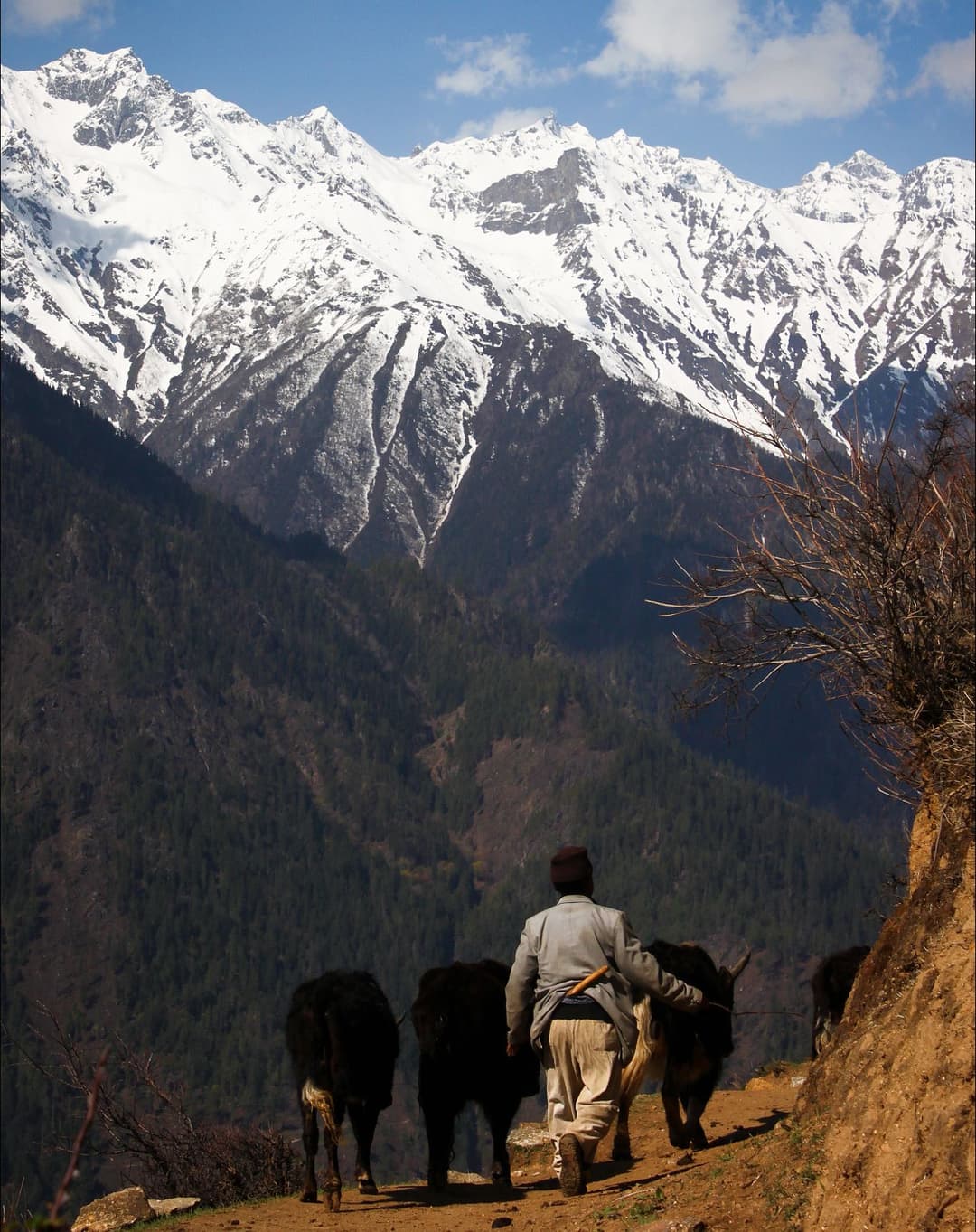
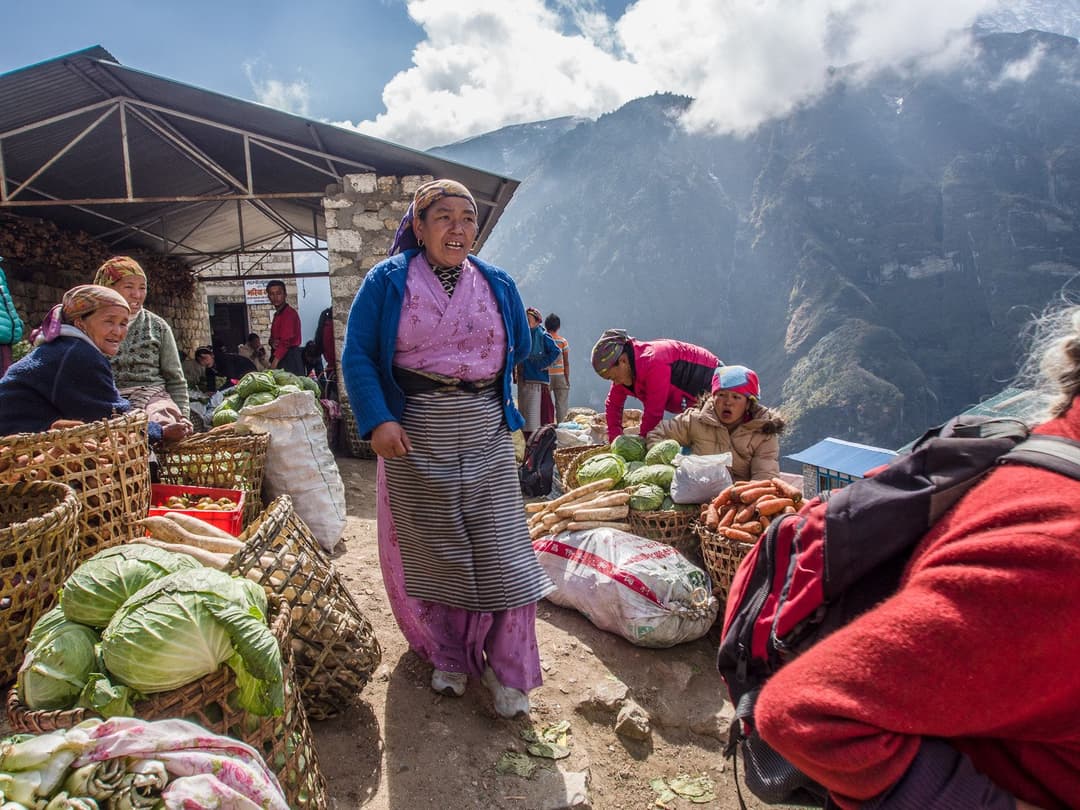
Trekking the GHT is not just about the stunning vistas; it is also an enriching cultural journey. The trail passes through traditional villages, ancient monasteries, and vibrant communities, allowing trekkers to engage with the local way of life. Experience the warm hospitality of the Himalayan people, learn about their customs, and witness age-old traditions in action. Opportunities to participate in local festivals and explore historical sites add depth to your adventure, making each trek a unique cultural immersion.
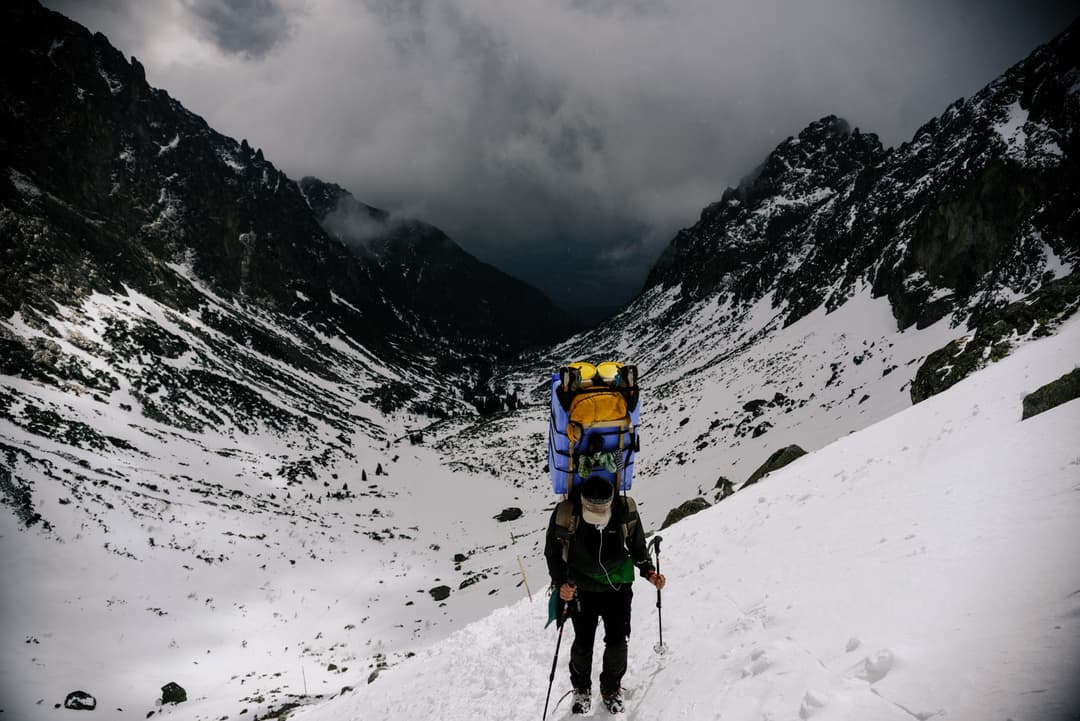
Adventure and Challenge

The GHT presents trekkers with an exhilarating mix of adventure and challenge. With rugged terrain, steep ascents, and high-altitude passes, the trail requires physical fitness and mental resilience. However, the sense of accomplishment gained from overcoming these challenges is unmatched. Each day on the GHT is filled with excitement as you navigate through varying altitudes, trek along breathtaking ridgelines, and tackle the demands of the trail. This adventure is a true test of endurance, rewarding you with personal growth and a deep appreciation for nature.
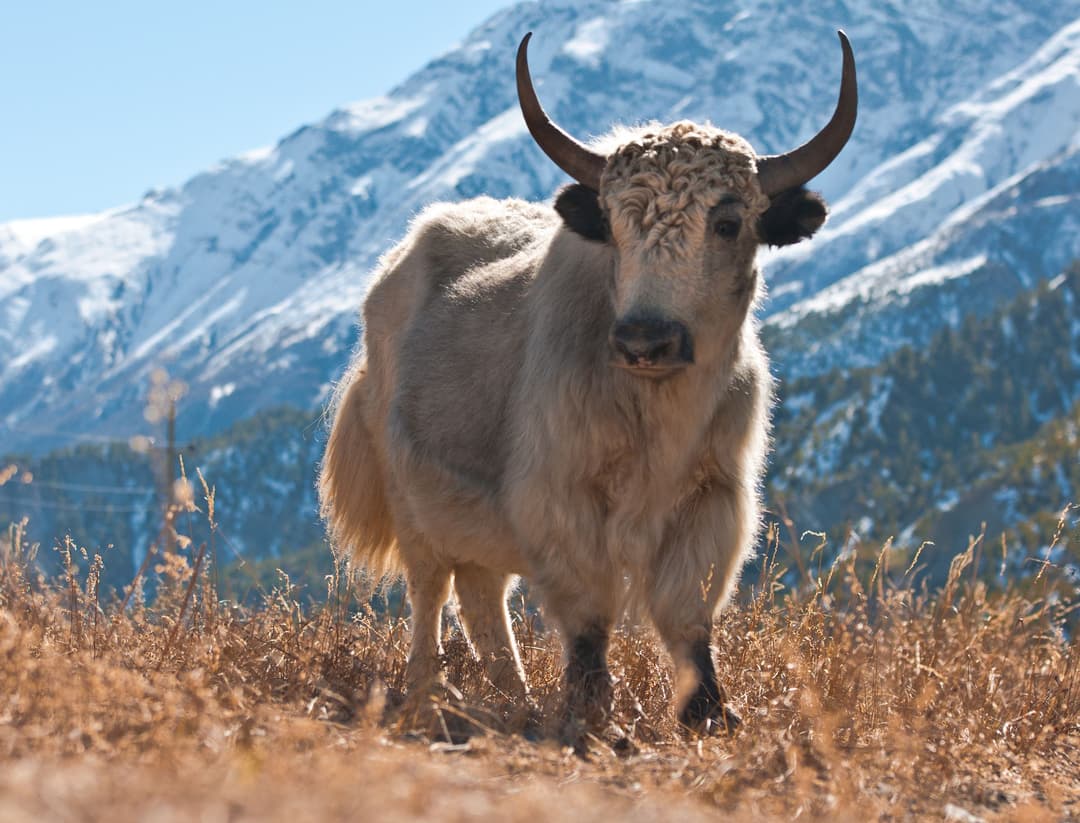
Wildlife and Nature

The GHT is a biodiversity hotspot, home to a rich array of flora and fauna. As you trek, keep an eye out for unique wildlife, including Himalayan blue sheep, snow leopards, and various bird species that inhabit the region. The diverse ecosystems you traverse—from subtropical forests to alpine landscapes—offer an opportunity to connect with nature on a profound level. The vibrant rhododendron blooms in spring and the serene beauty of the landscape make the GHT an ideal destination for nature lovers and wildlife enthusiasts alike.

Practical Details

Trip Summary
What's included
What's not included
Requirements
Payment
Cancellation
Insurance
Age Limit18 - 65 years
Duration117 Days
Max. Elevation6146m
Group Size15
Daily Activity5 to 8 hours daily

Frequently Asked Questions

What Makes the Great Himalayan Trail Unique?

The GHT is not just a trek; it’s an exploration of Nepal’s rich heritage, stunning biodiversity, and awe-inspiring landscapes. From subtropical jungles to high alpine terrain, the trail covers every aspect of Nepal’s natural beauty. It is one of the longest and highest trekking routes in the world, taking you close to eight of the world’s 14 highest mountains, including Mount Everest, Kanchenjunga, Makalu, and Annapurna.

Two Main Routes: The High Route & The Low Route

The Great Himalayan Trail consists of two primary routes to cater to different trekking preferences:

The High Route: This trail is for serious adventurers, passing through remote, high-altitude regions. It crosses some of the most challenging and wild sections of the Himalayas, including high passes over 5,000 meters. Trekkers will witness dramatic mountain views, untouched wilderness, and traditional lifestyles in isolated villages.

The Low Route: A gentler option that passes through lower altitudes, the Low Route offers an opportunity to explore Nepal’s lush green hills, charming rural villages, and terraced farmlands. It’s ideal for trekkers who prefer a less strenuous but equally rewarding experience.

Do I need technical climbing skills for the GHT?

While most of the GHT involves trekking, certain high-altitude passes (like Sherpani Col) may require basic mountaineering skills, including the use of crampons and ropes. For these sections, our guides provide the necessary equipment and training
Still have questions?
We’re here to help, Contact us directly, and our team will provide assistance or check ourSupport page..