Gokyo Lake Trek Packing List: Complete Gear Checklist for Everest Trekking
Packing smart for the Gokyo Lake Trek can make your journey an incredible Himalayan adventure instead of a difficult high-altitude test. This packing list will help you prepare for one of the Everest region’s most beautiful treks, reaching up to 5,357 meters (17,575 feet) at Gokyo Ri.
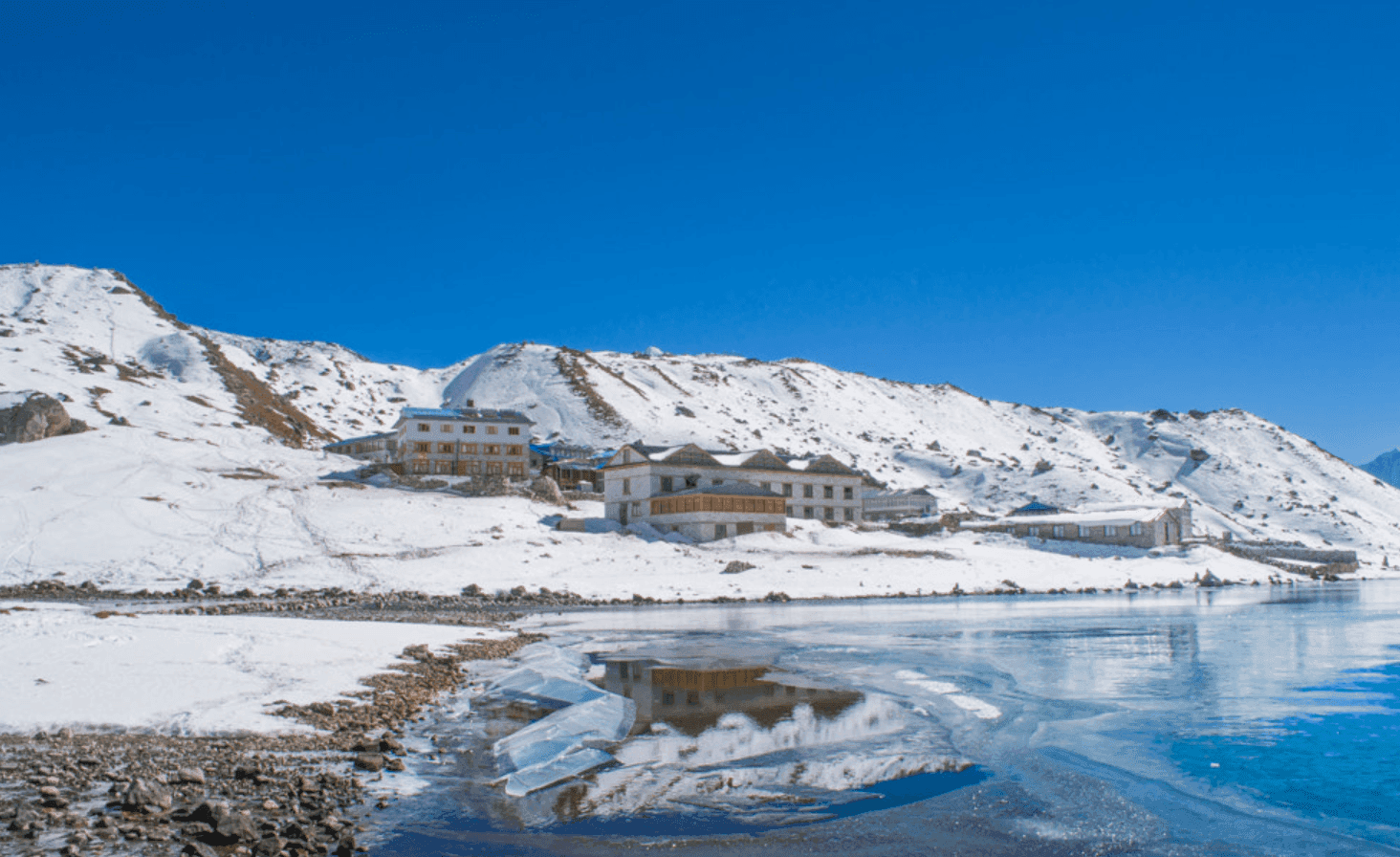
The Gokyo trek takes you through different climate zones, from subtropical forests in the lower Khumbu to icy areas above 5,000 meters. In Gokyo, mornings can drop to -15°C (5°F), and the afternoon sun is strong. Tea houses are basic, so having the right gear is key for comfort and safety.
Porters will carry your main duffel bag, which should weigh 10 to 15 kg. You’ll carry a daypack with your daily essentials. This packing list helps you pack light but still have everything you need for trekking at high altitude in Nepal.
What Should You Pack for the Gokyo Lake Trek?
For the Gokyo Lake trek, pack:
- Layered clothing system (base, mid, outer layers) for temperatures from 20°C to -15°C
- Waterproof trekking boots and warm camp shoes
- Four-season sleeping bag rated to -10°C to -15°C
- 30-40L daypack and porter duffel bag
- Trekking poles for rocky Everest trails
- High-altitude sunglasses and SPF50+ sunscreen
- Altitude medication and a personal first aid kit
- Headlamp with spare batteries
- Water purification tablets or a filter
- Cash (USD/NPR), as ATMs are unavailable beyond Lukla
Complete Gokyo Lake Trek Packing List
This detailed Gokyo trek equipment list covers everything you need for a successful high-altitude trek in the Everest region.
Clothing: The Himalayan Layering System
Layering your clothes is very important on the Gokyo trek. Temperatures can vary widely, with warm afternoons in Namche Bazaar (15-20°C) and freezing early mornings in Gokyo (-15°C). The three-layer system helps you adjust to these changes:
Base Layers
- Moisture-wicking thermal tops (2-3) - merino wool or synthetic
- Thermal bottoms (2) - essential for cold mornings
- Lightweight trekking shirts (2-3)
- Trekking pants (2) - quick-dry, convertible recommended
- Underwear (4-5 pairs) - moisture-wicking
- Sports bras (3-4) for women
Mid Layers
- Fleece jacket or pullover - warmth without bulk
- Insulated down or synthetic jacket - essential above 4,000m
- Soft-shell jacket - windproof with breathability
Outer Layers
- Waterproof rain jacket with hood - Gore-Tex or equivalent
- Waterproof rain pants - for monsoon or snow
- Insulated trekking pants - optional for extreme cold
Accessories
- Warm beanie or wool hat
- Sun hat or cap with neck protection
- Buff or neck gaiter - protects from wind and sun
- Warm gloves (insulated) - essential for Gokyo Ri
- Liner gloves - for photography and camp tasks
- Bandana or handkerchief
Footwear
Good boots are essential for trekking in the Everest region. The trail to Gokyo has rocky moraines, boulder fields, and sometimes icy sections above the lakes. The right boots will keep you comfortable and safe.
- Waterproof trekking boots - broken in before departure, ankle support essential
- Camp shoes or sandals - for tea house evenings
- Wool or synthetic trekking socks (4-5 pairs) - avoid cotton
- Sock liners - reduce friction and blisters
- Gaiters - optional, useful in snow or muddy sections
Tip: Break in your new boots by hiking at least 50 kilometers before your trek. Getting blisters at 4,700 meters is both painful and easy to prevent.
Trekking Gear
- Trekking backpack (30-40L) - carries daily essentials
- Duffel bag (90-120L) - porter bag with lock
- Trekking poles (pair) - reduce knee strain on descents
- Sleeping bag (-10°C to -15°C rating) - tea houses provide beds, not warmth
- Sleeping bag liner - adds warmth and hygiene
- Trekking pillow or stuff sack - optional comfort item
- Dry bags or waterproof stuff sacks - protect electronics and clothing
- Water bottles (2x1L) or hydration bladder - hydration critical at altitude
- Insulated bottle holder - prevents freezing in cold
You can rent sleeping bags, duffel bags, and trekking poles in Kathmandu or Namche Bazaar. Quality can vary, so check items carefully and rent from trusted shops.
Eye Protection and Sun Defense
UV exposure gets much stronger at higher altitudes. Sunlight reflecting off Gokyo's turquoise lakes and nearby glaciers can cause snow blindness if you don’t have the right protection.
- High-altitude sunglasses - 100% UV protection, side shields recommended
- Backup sunglasses - in case of loss or damage
- Sunscreen SPF 50+ - reapply every 2 hours
- Lip balm with SPF - lips burn quickly at altitude
Health and Hygiene Items
- Altitude sickness medication (Diamox) - consult your doctor
- Personal first aid kit - bandages, antiseptic, pain relievers
- Blister treatment - Compeed or moleskin
- Hand sanitizer
- Wet wipes or biodegradable soap
- Toilet paper and trowel - facilities basic above Namche
- Toothbrush and toothpaste
- Quick-dry towel
- Feminine hygiene products (if needed)
- Prescription medications - bring extras
- Water purification tablets or a filter
Note: Showers are hard to find above 4,000 meters. Wet wipes are a must for staying clean. Tea houses charge for hot water, so bring a thermos if you want to avoid paying each time.
Electronics
- Smartphone with downloaded maps (Maps.me or similar)
- Camera with spare batteries
- Power bank (20,000-30,000 mAh) - charging is expensive at tea houses
- Headlamp with spare batteries - essential for early starts
- Universal adapter (Type C/D for Nepal)
- Charging cables
- E-reader or book - for tea house evenings
Tip: Charging your devices at tea houses costs 200-500 NPR per device each time. Bringing a good power bank will save you money and keep your camera and phone charged.
Documents and Essentials
- Passport with 6 months validity
- Nepal visa (obtain on arrival or online)
- Trekking permits (TIMS card, Sagarmatha National Park permit)
- Travel insurance with helicopter evacuation coverage
- Passport photos (2-3) for permits
- Cash (USD and Nepali Rupees) - ATMs unavailable after Lukla
- Credit card for emergencies
- Emergency contact information
Important: Bring enough cash, as there are no ATMs after Lukla. Plan to spend about $25 to $40 per day on meals, extra comforts, hot showers, charging, and snacks.
Miscellaneous Items
- Trekking map of the Everest region
- Notebook and pen
- Ziplock bags (various sizes)
- Duct tape or repair tape
- Lightweight carabiners
- Earplugs - the tea house walls are thin
- Whistle - for emergencies
- Snacks (energy bars, trail mix) - supplement tea house meals
Seasonal Packing Advice for Gokyo Trek
Weather conditions in the Everest region vary dramatically by season. Adjust your Gokyo Lake trek gear checklist accordingly:
Spring (March-May)
Spring is one of the best time for Gokyo Lake Trek. Daytime temperatures 10-15°C at altitude, nights -5 to -10°C. Rhododendrons bloom in lower elevations.
- Sleeping bag: -10°C rating sufficient
- Light rain jacket for occasional spring showers
- Maximum UV protection is needed because clear skies are common
Autumn (September-November)
Most popular season. Stable weather, crisp air, excellent visibility. Daytime 10-12°C, nights -8 to -15°C at Gokyo.
- Sleeping bag: -15°C rating recommended
- Warmer gloves and a beanie are essential
- You need only minimal rain gear since it is the dry season
Winter (December-February)
Cold and challenging. Daytime 5-8°C, nights can reach -20°C at high camps. Heavy snow is possible, especially in late winter.
- Sleeping bag: -20°C rating essential
- Extra insulation layers and thermal underwear
- Heavy-duty gloves and insulated boots
- Microspikes or crampons for icy trails
- Fewer tea houses are open, so check ahead before your trek
Monsoon (June-August)
Off-season. Heavy rain in the lower elevations, and leeches are common below 3,000m. The Upper Gokyo Valley receives less rainfall (rain shadow). Afternoon clouds obscure views.
- Excellent waterproof gear is mandatory.
- Waterproof pack cover and dry bags
- Leech socks for lower elevations
- With fewer trekkers on the trail, the paths are quieter and more peaceful
What NOT to Pack for Gokyo Lake Trek
Many people overpack, but porters have a 10-15 kg weight limit and extra luggage is hard to manage. Leave these items at home:
- Excessive clothing changes—you'll repeat outfits
- Cotton clothing—dries slowly and provides no warmth when wet
- Jeans—heavy, restrictive, terrible in cold
- Hair dryer or unnecessary electronics
- Full-size toiletries—decant into travel bottles
- More than one book—e-readers save weight
- Jewelry or valuables
- Camping gear (tent, stove)—tea houses provide accommodation
Our porter's weight limit is 10kg. Your duffel bag and everything inside should stay under this limit. Bags that are too heavy may cost extra or not be accepted.
Packing Tips from Sherpa Guides
Our Sherpa-led team at Achieve Treks has guided hundreds of trekkers to Gokyo. Here's their accumulated wisdom:
1. Daypack Organization Matters
Your daypack carries trek essentials while porters transport your duffel. Pack your daypack with essentials for the day: water, snacks, a rain jacket, a camera, sunscreen, a down jacket for breaks, first aid, and personal documents. You won't access your porter's duffel until evening.
2. Waterproof Everything
Use dry bags or plastic bags to compartmentalize gear inside your duffel. Even with a porter-carried bag, dust and potential rain infiltrate. Separate electronics, spare batteries, and clothing into waterproof pouches.
3. Break In Your Boots
This cannot be overstated. Wear your trekking boots for at least 50 kilometers of hiking before arriving in Nepal. Blisters are the fastest way to ruin a Himalayan trek. Test your boots on terrain similar to rocky Everest trails.
4. Layer Smart in the Morning
Start cold mornings with base layers, mid-layer fleece, and a down jacket. As you climb and the sun hits, you'll shed layers. Pack removed layers in your daypack rather than tying them haphazardly to the outside, where they can snag or fall.
5. Bring More Cash Than Expected
Plan to spend at least $30-40 per day. Meals, extras like charging, showers, WiFi, snacks, and tips can add up. There are no ATMs after Lukla. Bring small US bills ($1, $5, $20) for exchanging money, as large bills ($100) often get worse rates.
6. Test Your Sleeping Bag
If renting a sleeping bag in Kathmandu, inspect it carefully. Check zippers, insulation, loft, and cleanliness. Bring a sleeping bag liner regardless—it adds warmth and creates a hygienic barrier.
7. Pack Snacks You Enjoy
Tea house menus can get repetitive, with dishes like dal bhat, noodles, and fried rice. Bring snacks you like, such as energy bars, nuts, chocolate, or dried fruit. Familiar snacks give comfort and quick energy on long trekking days.
Gokyo Trek Packing Checklist
Use this comprehensive checklist when preparing for your Gokyo Lake trek:
Clothing
- Thermal base layer tops (2-3)
- Thermal base layer bottoms (2)
- Trekking shirts (2-3)
- Trekking pants (2)
- Fleece jacket
- Down/insulated jacket
- Waterproof rain jacket
- Waterproof rain pants
- Warm beanie
- Sun hat
- Buff/neck gaiter
- Warm gloves
- Liner gloves
- Underwear (4-5)
- Sports bras (3-4)
Footwear
- Waterproof trekking boots (broken in)
- Camp shoes/sandals
- Trekking socks (4-5 pairs)
- Sock liners
Trekking Gear
- 30-40L daypack
- 90-120L duffel bag
- Trekking poles (pair)
- Sleeping bag (-10°C to -15°C)
- Sleeping bag liner
- Dry bags/waterproof stuff sacks
- Water bottles (2x1L)
Sun and Eye Protection
- High-altitude sunglasses
- Backup sunglasses
- Sunscreen SPF 50+
- Lip balm with SPF
Health & Hygiene
- Altitude medication (Diamox)
- Personal first aid kit
- Blister treatment
- Hand sanitizer
- Wet wipes
- Toilet paper
- Toothbrush and toothpaste
- Quick-dry towel
- Water purification tablets/filter
Electronics
- Smartphone
- Camera + spare batteries
- Power bank (20,000-30,000 mAh)
- Headlamp + spare batteries
- Universal adapter
- Charging cables
Documents & Essentials
- Passport
- Nepal visa
- Trekking permits
- Travel insurance documents
- Passport photos (2-3)
- Cash (USD and NPR)
- Credit card
Frequently Asked Questions
How cold does the Gokyo Lake Trek get?
Gokyo temperatures vary by season and elevation. At Gokyo village (4,790m), expect daytime temperatures of 5-10°C in peak season (spring/autumn) and nighttime lows of -8°C to -15°C. Winter (December-February) sees -20°C nights. At lower elevations like Namche Bazaar, daytime temperatures reach 15-20°C. The Gokyo Ri summit (5,357m) is significantly colder with strong winds.
Do I need a sleeping bag for the Gokyo trek?
Yes, a sleeping bag is essential. Tea houses provide beds and basic blankets, but these are insufficient for cold high-altitude nights. Bring or rent a four-season sleeping bag rated to at least -10°C to -15°C. For autumn and winter treks, a -20°C rating provides better comfort. Sleeping bags can be rented in Kathmandu or Namche Bazaar.
Can I rent trekking gear in Kathmandu?
Yes, Kathmandu's Thamel district has numerous rental shops offering sleeping bags, down jackets, trekking poles, duffel bags, and other gear. Rental costs typically range from $1 to $ 3 per item per day. Quality varies significantly—inspect items carefully before renting, checking zippers, waterproofing, and cleanliness. Some gear is also available for rent in Namche Bazaar, though the selection is more limited.
How much weight can porters carry on the Gokyo trek?
Porters on the Gokyo Lake trek typically carry 10-15 kg maximum per trekker. This weight limit protects porters' health and adheres to ethical trekking guidelines. Your duffel bag and its contents should not exceed this limit. Keep your daypack separate—you'll carry this yourself with daily essentials. Pack efficiently and leave unnecessary items in the Kathmandu hotel storage.
Do tea houses provide blankets on the Gokyo trek?
Yes, tea houses provide basic blankets, but they are often thin and insufficient for the cold at high altitudes. At Gokyo (4,790m) and higher elevations, nighttime temperatures drop well below freezing. A proper sleeping bag (-10°C to -15°C rating) is essential for comfortable sleep. Some trekkers use tea house blankets as supplementary insulation over their sleeping bag.
Conclusion: Prepare Well for an Unforgettable Gokyo Trek
Preparing well can turn the Gokyo Lake Trek from a tough endurance test into an amazing Himalayan adventure. This packing list helps you bring the right gear for high-altitude weather and basic tea house stays.
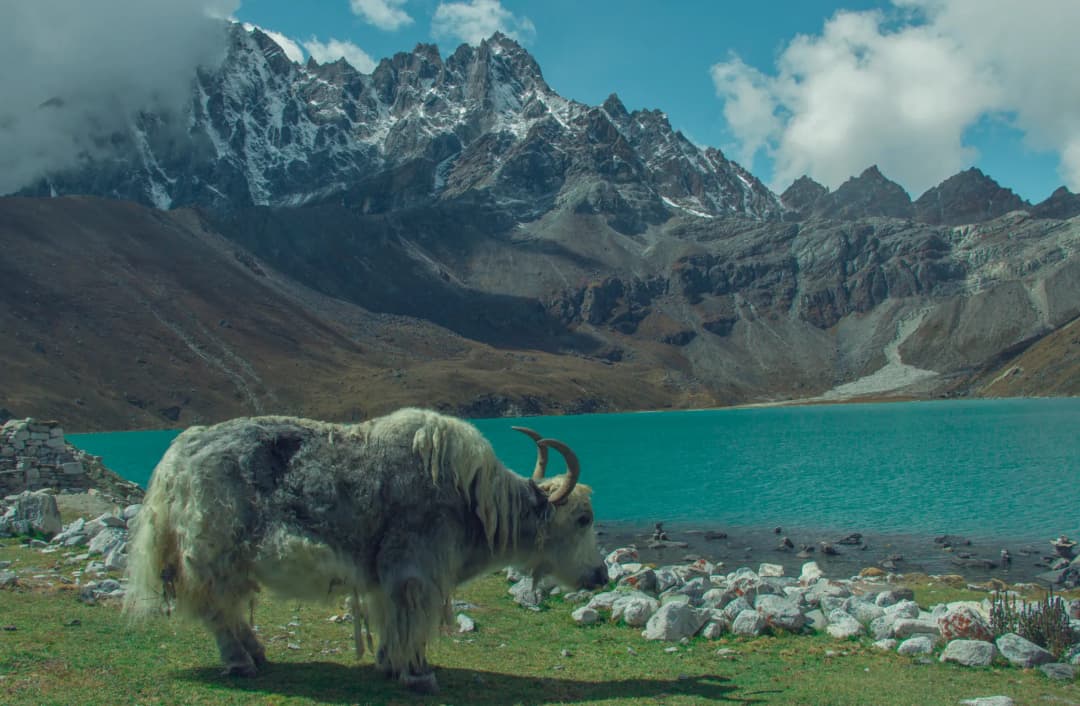
Trekkers who come prepared are rewarded with turquoise lakes, the huge Ngozumpa Glacier, and stunning Himalayan views from Gokyo Ri. Make sure you have good layers, sturdy boots, a warm sleeping bag, and enough cash. Test your gear before you go, especially boots and sleeping bags.
At Achieve Treks, our Sherpa team helps trekkers get ready with detailed gear advice before the trip. We know the Everest region well and make sure you have the knowledge and equipment for safe, comfortable trekking at high altitude. Our team can answer your questions about the seasons, gear rentals, and packing tips.
Are you ready to trek to Gokyo Lakes? Get in touch with Achieve Treks to plan your Everest adventure with Sherpa guides who call these mountains home.