The timing of your Gokyo Lake Trek in Nepal's Everest region is important for both safety and enjoyment. Since the trail climbs above 4,700 meters, the weather can change fast and impact trekking conditions, mountain views, and safety.
Choosing the best time for the Gokyo Lake Trek helps trekkers experience clear Himalayan views, stable weather, and comfortable trekking temperatures. The Everest region has distinct seasonal patterns that influence trail conditions, crowd levels, and visibility of the surrounding peaks.
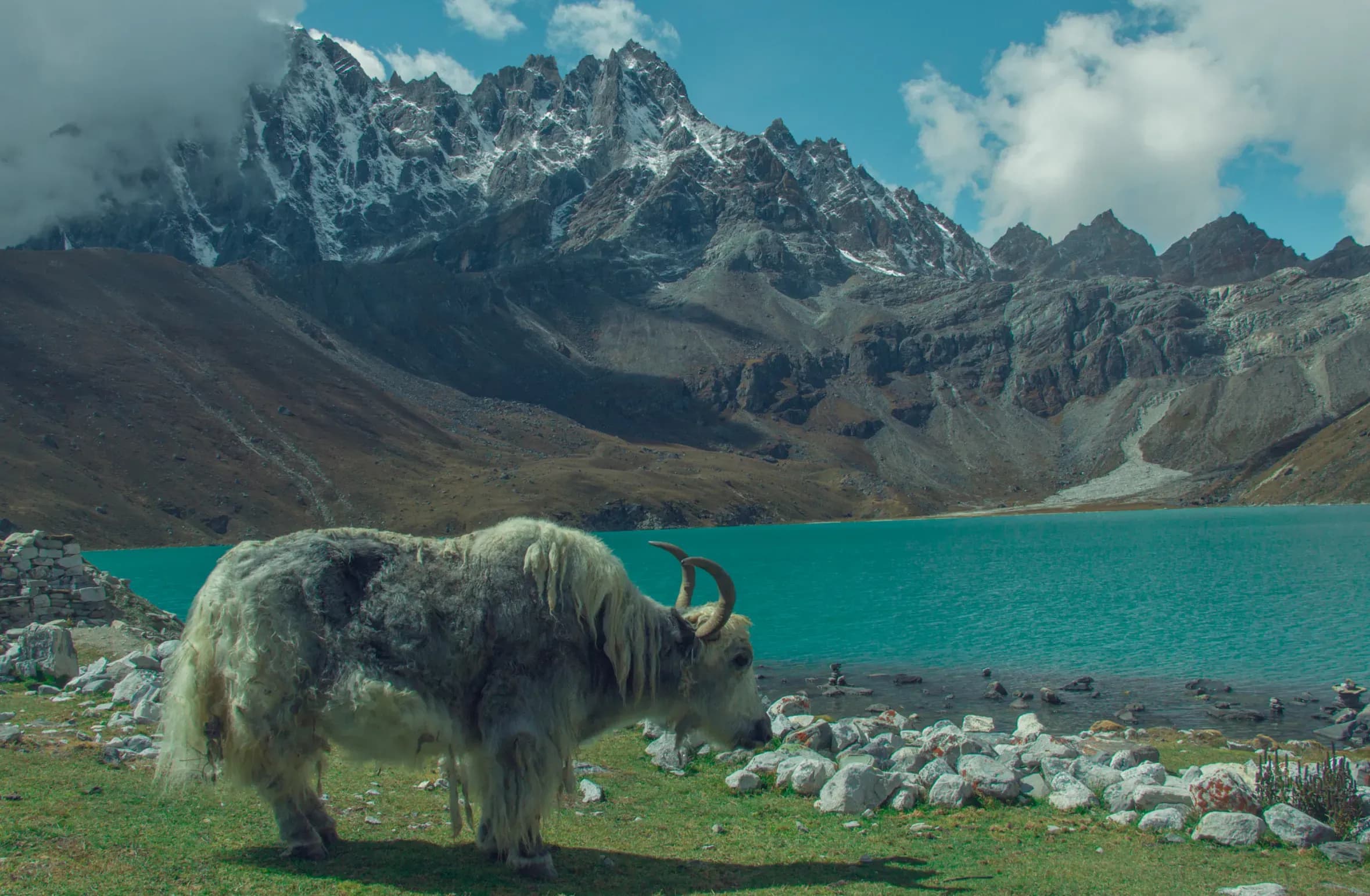
Usually, the best times for the Gokyo Lake Trek are spring (March to May) and autumn (September to November). During these months, you can expect clear skies, steady weather, and great views of Everest, Cho Oyu, Makalu, and other peaks.
Gokyo Lake Trek Weather Overview
The Gokyo Lake Trek is in Nepal's Everest region, where the weather depends heavily on altitude and season. As you climb from Lukla to Gokyo Valley, the weather can become colder and less predictable.
Lower places like Namche Bazaar are milder, but higher villages such as Machhermo and Gokyo are much colder, especially in the mornings and at night.
Weather conditions can vary significantly by season, especially during winter and the monsoon.
Best Seasons for Gokyo Lake Trek
There are four main trekking seasons in the Everest region, and each one brings different conditions for the Gokyo Lake Trek.
Spring (March–May)
Spring is one of the most popular times to trek. You’ll find clear skies, blooming rhododendron forests, and comfortable temperatures, making it a great season for hiking.
Autumn (September–November)
Autumn is often seen as the best season for the Gokyo Lake Trek. After the monsoon, the air is clear, and visibility is excellent.
Winter (December–February)
Winter brings colder temperatures and snow at higher elevations, which makes trekking harder. However, the trails are quieter and still open for experienced trekkers.
Monsoon (June–August)
During the monsoon, lower areas get heavy rain, and clouds often block the views. Still, the Everest region is partly in a rain shadow, so it gets less rain than some other places.
Gokyo Lake Trek in Spring (March – May)
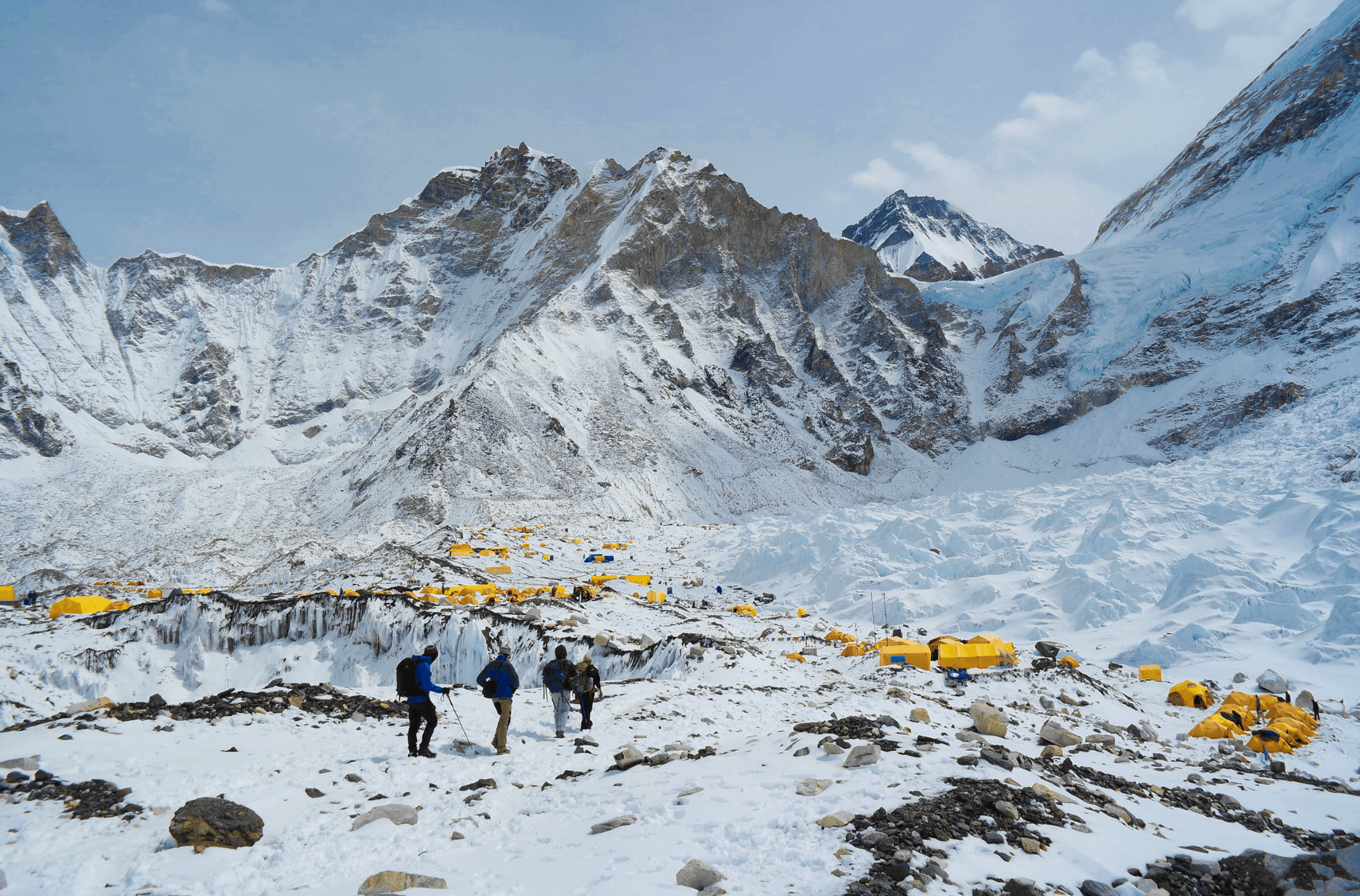
Spring is one of the best times for the Gokyo Lake Trek. Temperatures gradually rise after winter, making trekking conditions comfortable and stable.
Rhododendron forests bloom along the trail from Lukla to Namche, bringing lots of color to the scenery. You can usually see the Himalayan peaks clearly, especially in the mornings.
Trekkers get amazing views of Mount Everest, Cho Oyu, and Makalu, especially from Gokyo Ri, which is one of the top viewpoints in the Everest region.
Typical temperatures during spring:
- Namche Bazaar: 8°C – 15°C during the day
- Machhermo / Dole: 5°C – 10°C
- Gokyo: 0°C – 8°C
Thanks to the good weather and beautiful scenery, spring is a busy season for trekking. This means the trails and tea houses are often more crowded than in winter.
Gokyo Lake Trek in Autumn (September – November)
Autumn is widely considered the best season for the Gokyo Lake Trek. After the summer monsoon clears the atmosphere, the skies become exceptionally clear, offering some of the best mountain visibility of the year.
Weather conditions are generally stable, with dry trails and moderate temperatures. The surrounding Himalayan range appears particularly sharp and dramatic during this season.
From viewpoints such as Gokyo Ri, trekkers can enjoy panoramic views of Everest, Lhotse, Makalu, and Cho Oyu.
Typical temperatures in autumn:
- Namche Bazaar: 10°C – 17°C during the day
- Machhermo: 4°C – 10°C
- Gokyo: -2°C – 7°C
Because of the stable weather and incredible visibility, autumn is also the peak trekking season in the Everest region.
Gokyo Lake Trek in Winter (December – February)
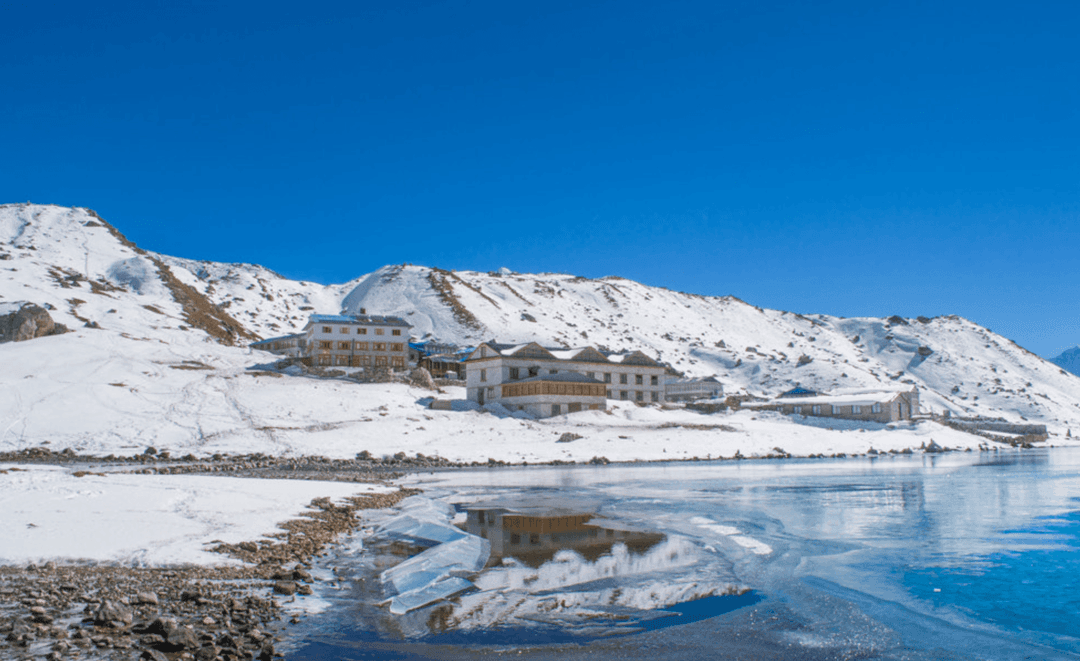
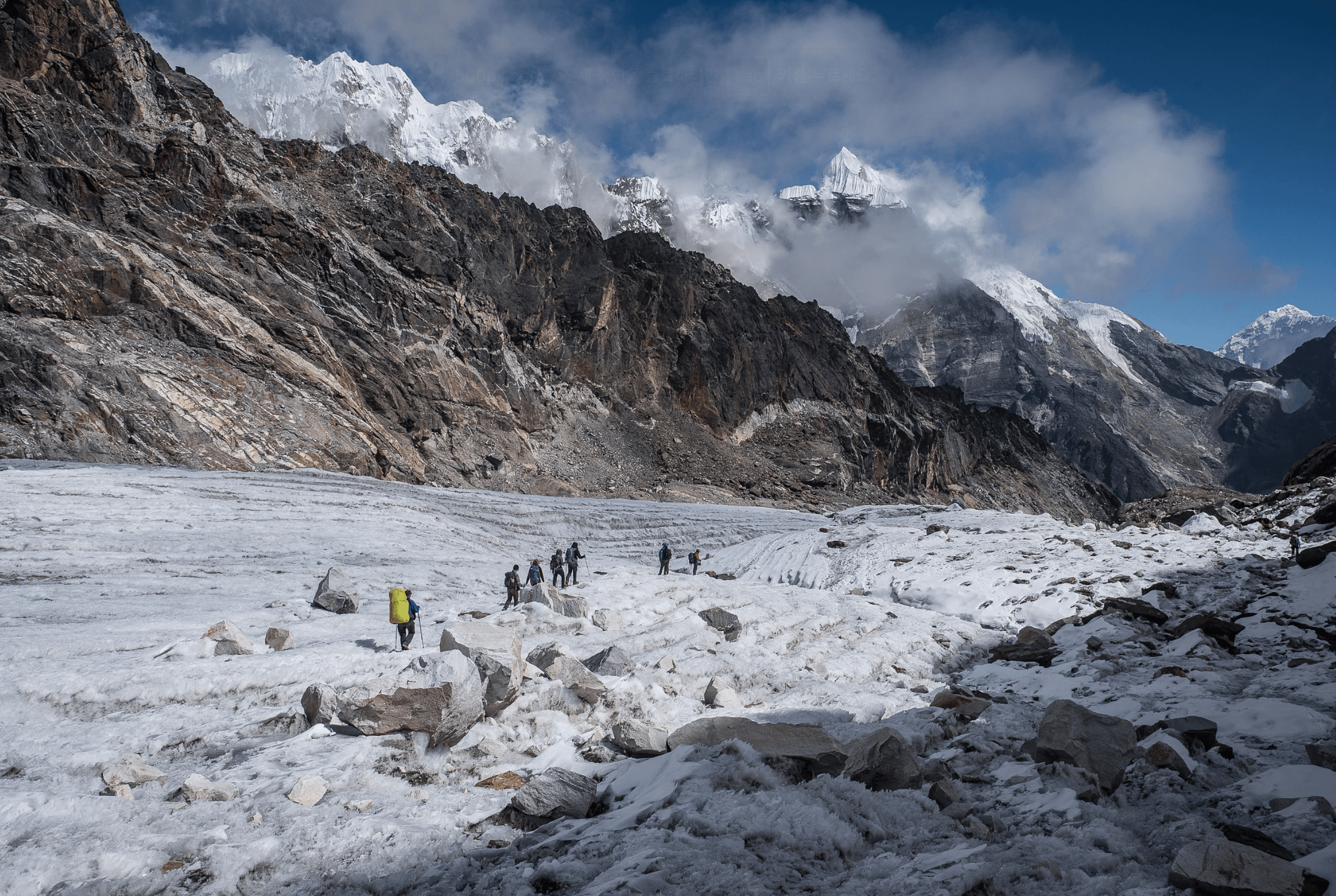
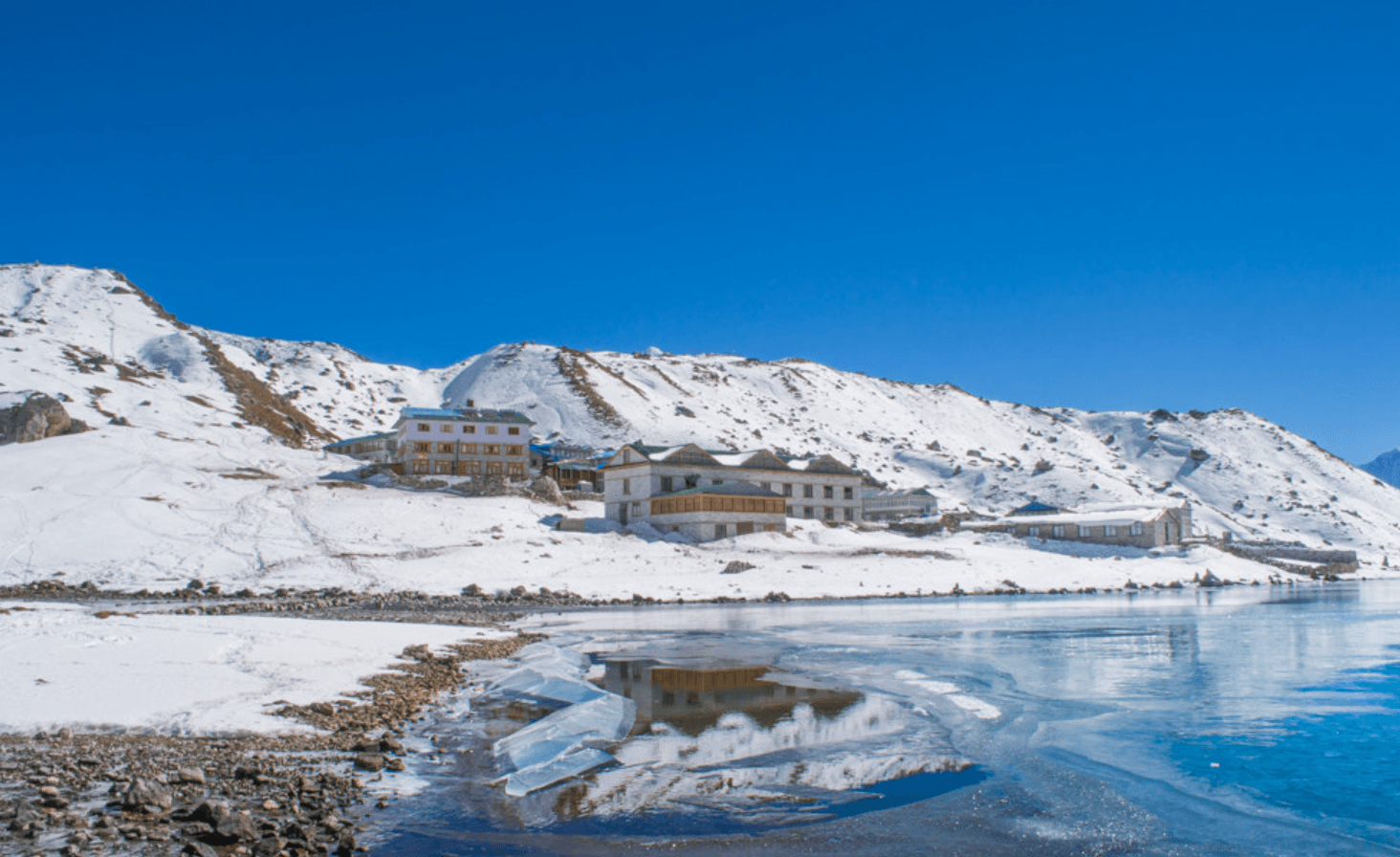
Winter brings colder temperatures and occasional snowfall to the Everest region. Higher sections of the Gokyo Valley can experience sub-zero temperatures, especially at night.
However, winter trekking also offers several advantages. Trails are significantly quieter, and the mountain views can be spectacular when the skies are clear.
The Gokyo Lakes may partially freeze during this time, creating a unique and dramatic landscape.
Typical winter temperatures in Gokyo:
- Daytime: -5°C to 5°C
- Night: -15°C to -10°C
Although winter trekking is possible, it requires proper cold-weather gear and good trekking experience.
Gokyo Lake Trek in Monsoon (June – August)
The monsoon season brings heavy rainfall to many parts of Nepal. Lower sections of the Everest region receive rain, which can make trails muddy and slippery.
Cloud cover often reduces visibility, limiting views of the Himalayan peaks.
However, the Everest region lies partially in the Himalayan rain shadow, so rainfall is usually less intense than in regions like Annapurna.
Trekkers during the monsoon may experience:
- Lush green landscapes
- Fewer trekkers on the trail
- Limited mountain visibility
For most trekkers, this is not considered the best time for the Gokyo Lake Trek.
Gokyo Lake Trek Temperature by Month
Temperatures vary throughout the year depending on altitude and season. Higher elevations, such as Gokyo, experience colder temperatures year-round.
These values are approximate and can vary depending on weather patterns.
Best Month for Gokyo Lake Trek
While the trek is possible for much of the year, several months consistently provide the best combination of weather, visibility, and trail conditions.
Best months for Gokyo Lake Trek:
- April
- May
- October
- November
These months offer stable weather, clear mountain views, and comfortable trekking temperatures.
October is particularly popular due to excellent visibility after the monsoon season.
Tips for Choosing the Right Season
When deciding the best time for Gokyo Lake Trek, consider several important factors:
- Weather stability and mountain visibility
- Number of trekkers on the trail
- Photography conditions
- Personal fitness and trekking experience
- Tolerance for cold temperatures
Trekkers seeking quieter trails may prefer late autumn or winter, while those looking for vibrant landscapes and warmer conditions may prefer spring.
Plan Your Gokyo Lake Trek
If you are planning to explore the stunning turquoise lakes of the Everest region, choosing the right season can make a big difference to your trekking experience.
You can learn more about the route and daily itinerary in our detailed Gokyo Lake Trek itinerary.
Booking with an experienced local Sherpa-led trekking company ensures proper acclimatization planning, local knowledge, and safe navigation through the high Himalayan terrain.
FAQs about Best Time for Gokyo Lake Trek
What is the best month for Gokyo Lake Trek?
October and April are often considered the best months because they offer stable weather, clear skies, and excellent mountain visibility.
Is winter trekking possible in Gokyo?
Yes, the trek is possible during winter, but temperatures can drop significantly below freezing and proper cold-weather preparation is required.
Is the Gokyo Lake Trek good in October?
Yes. October is one of the best months for the trek due to stable weather, dry trails, and crystal-clear views of the Himalayas.
How cold does Gokyo get?
Night temperatures in Gokyo can drop to around -15°C in winter, while spring and autumn nights typically range from -10°C to -5°C.
Is monsoon a bad time to trek Gokyo?
Monsoon trekking is possible but not ideal because cloud cover can limit mountain views and rainfall may affect lower sections of the trail.