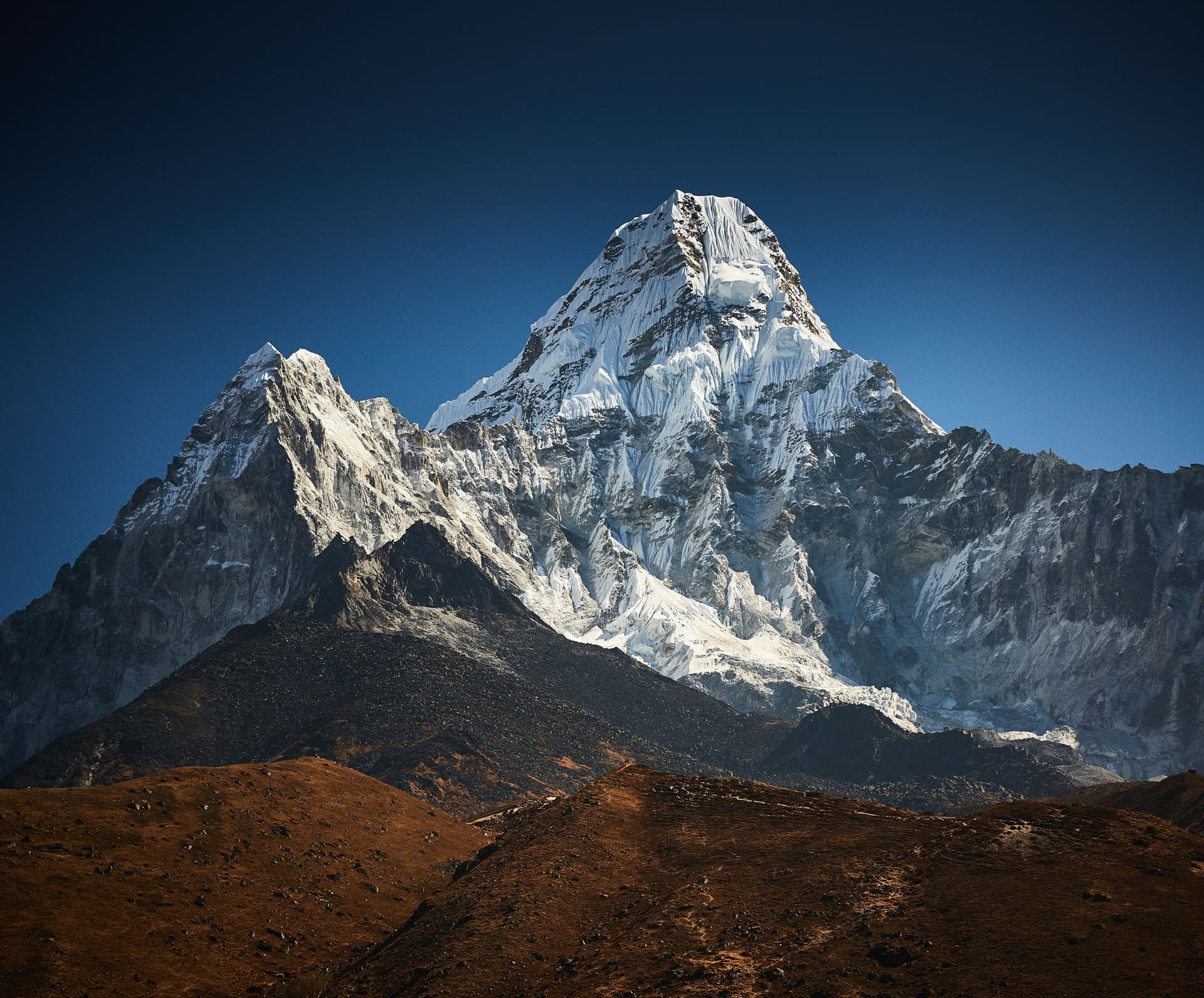
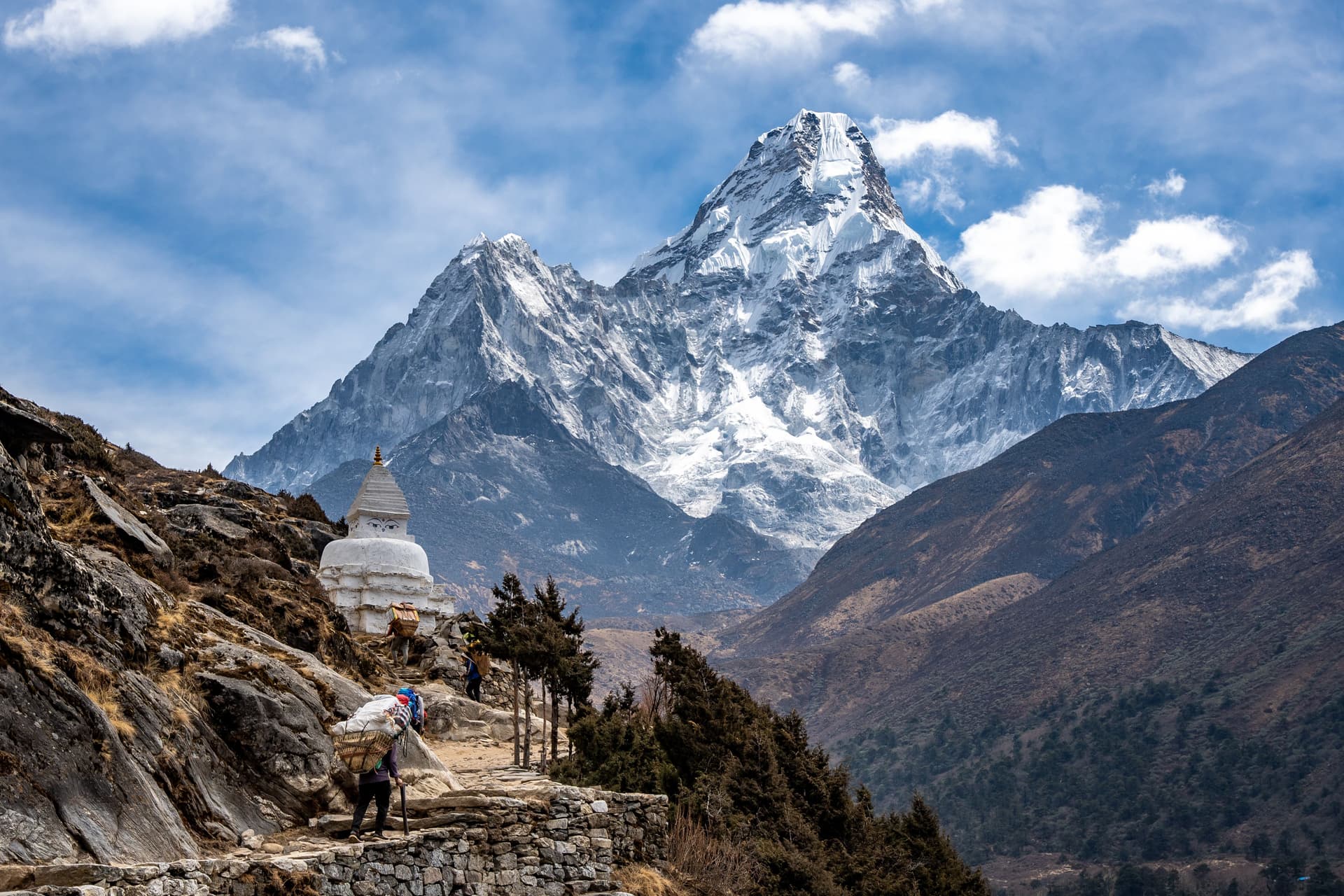
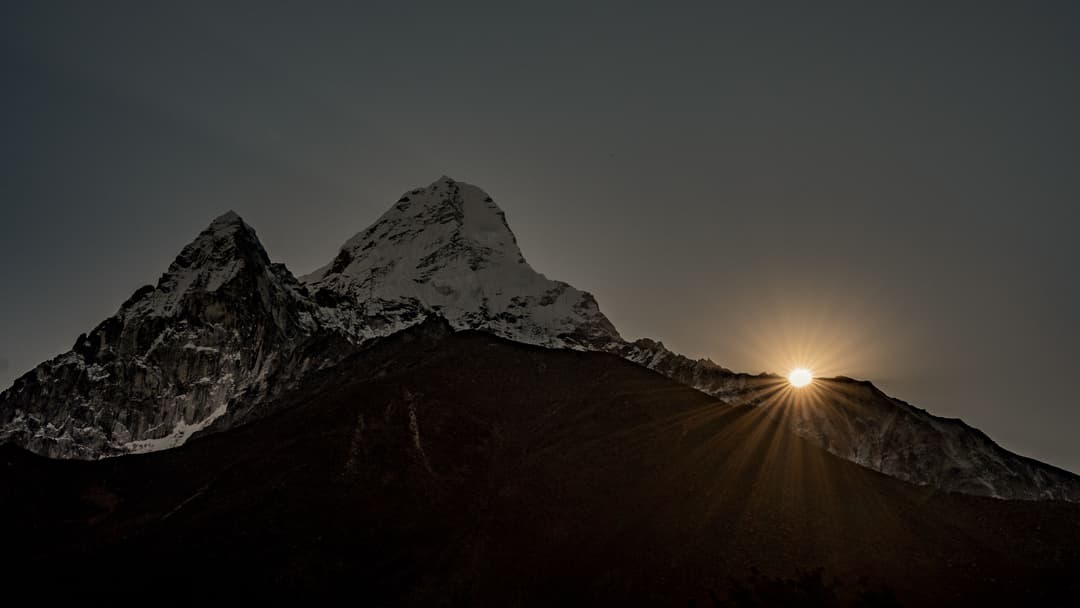
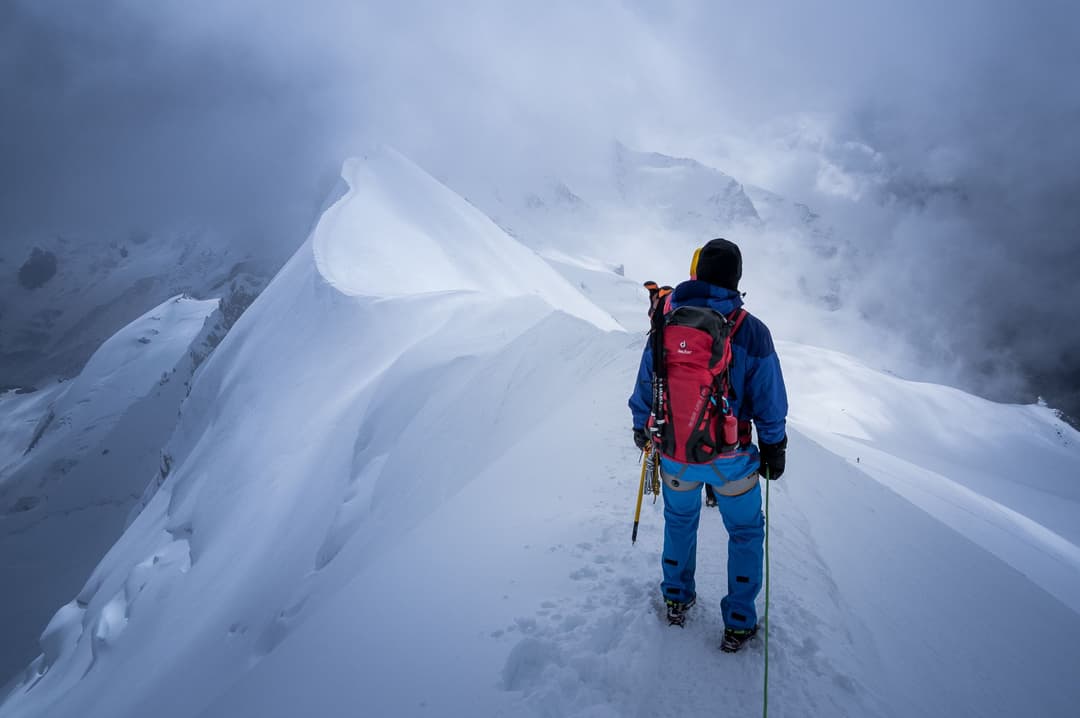
Climbing Ama Dablam, often considered one of the most beautiful mountains in the world, requires a well-thought-out strategy due to its technical nature, exposure, and high altitude. Here is a comprehensive climbing strategy for an Ama Dablam expedition:
1. Preparation and Acclimatization
Pre-Expedition Training: Physical preparation is key. Climbers should engage in endurance training, strength conditioning, and climbing skills practice (rock and ice). Familiarity with technical climbing gear and techniques is crucial, as Ama Dablam involves rock, ice, and mixed climbing.
Acclimatization Schedule: Proper acclimatization is critical to avoid altitude sickness. A typical approach includes a gradual ascent through the Khumbu Valley, stopping at key points like Namche Bazaar, Tengboche, and Pangboche. Spend a few nights at Ama Dablam Base Camp (4,600m) to acclimatize before moving higher.
2. Climbing Phases and Camp Strategy
Base Camp to Camp 1 (5,700m): The climb from Base Camp to Camp 1 involves following a ridge with some rock scrambling. This section is a good warm-up to get used to the altitude and terrain. Camp 1 is a small area where climbers prepare for the more technical sections ahead.
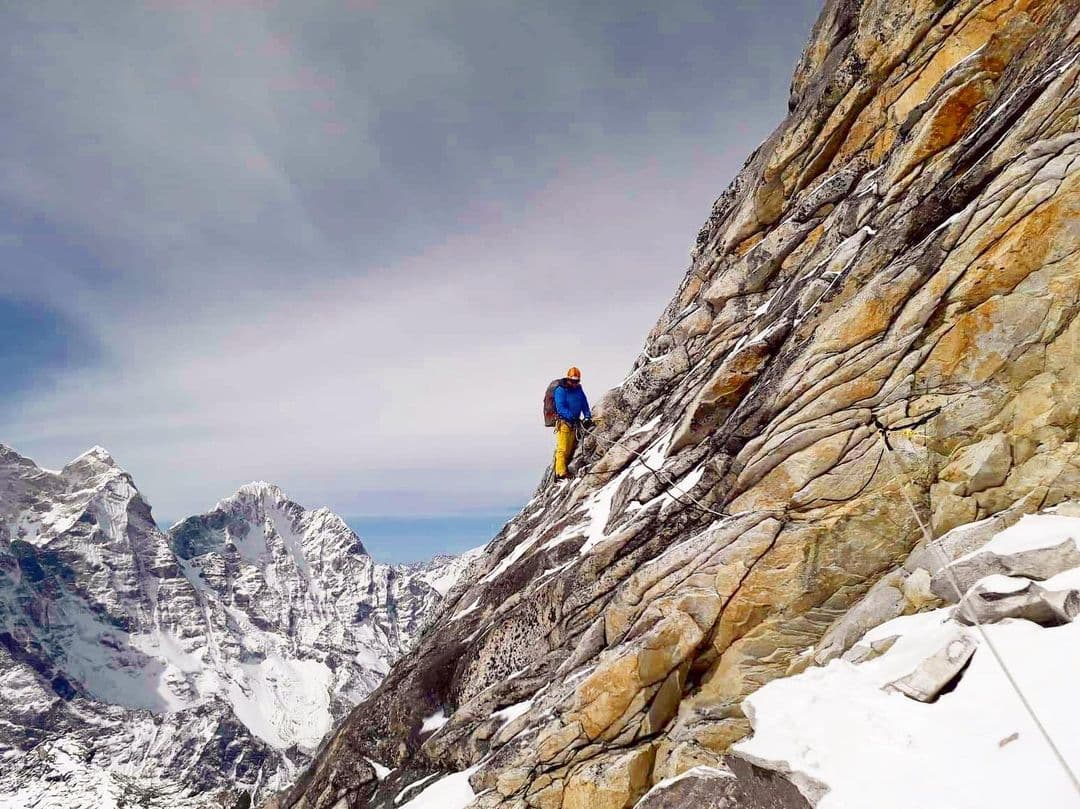
Camp 1 to Camp 2 (5,900m - 6,200m): This is the most technical section of the climb, involving steep rock climbing, mixed snow and ice, and some exposed ridges. The "Yellow Tower" is a notable feature that requires a short but challenging vertical climb. Proper use of fixed ropes, jumar, and crampons is essential for safety. Camp 2 is perched on a narrow, exposed ridge.
Camp 2 to Camp 3 (6,300m): This section involves climbing the "Grey Tower" and navigating snow ridges and ice sections. Camp 3 is very exposed and small, usually used as a launching point for the summit push.
3. Summit Push
Camp 3 to Summit (6,812m): The final summit push starts early, often around 2-3 AM, to take advantage of favorable weather conditions and ensure enough daylight for the descent. The route includes steep snow and ice sections, such as the "Mushroom Ridge" and the "Dablam" ice face, requiring careful navigation. Reaching the summit offers breathtaking views of Everest, Lhotse, Makalu, and the surrounding peaks. After summiting, climbers descend back to Camp 2 or Camp 1 the same day.
4. Descent Strategy
Descent from Camp 3: After summiting, the descent is usually made to Camp 2 or Camp 1. Efficient rope work, rappelling, and careful footing are essential to navigate the technical sections on the way down.
Return to Base Camp: From Camp 1, the descent to Base Camp is relatively straightforward but requires caution, especially if fatigued. Reaching Base Camp safely is a priority, as it marks the end of the technical part of the expedition.
5. Safety and Contingency Planning
Weather Monitoring: Ama Dablam is known for its rapidly changing weather. Constant monitoring and having a flexible plan for summit days based on weather windows are crucial.
Equipment and Supplies: Ensure all technical gear (harnesses, helmets, crampons, ice axes, etc.) is in good condition. Carry sufficient food, water, and emergency supplies, including extra oxygen, if planned.
Team Coordination and Communication: Strong coordination among team members and guides is vital, especially in technical sections. Clear communication on the mountain is key for safety.
Emergency Protocols: Have a plan for evacuation in case of altitude sickness, injury, or severe weather. This includes knowledge of helicopter evacuation routes and insurance coverage.
6. Mental and Physical Preparation
Mental Conditioning: Climbing Ama Dablam requires not only physical strength but also mental toughness. Be prepared to deal with cold, exposure, and high-altitude challenges.
Nutrition and Hydration: Proper nutrition and hydration are essential throughout the climb to maintain energy levels and prevent altitude sickness.
Ama Dablam is a technical and demanding climb but incredibly rewarding for those who are well-prepared and have a solid strategy.
Summit day on Ama Dablam is both the most challenging and exhilarating part of the expedition. It demands careful planning, physical endurance, technical skill, and mental toughness. Here’s what you can expect:
1. Early Start
Pre-Dawn Departure: The day begins around 2-3 AM from Camp 3 (6,300m), a small and exposed campsite. An early start is crucial to maximize daylight hours and take advantage of the calm weather conditions that are typically present in the morning.
Gear Check: Before setting out, climbers check their gear—harnesses, crampons, ice axes, helmets, and headlamps—to ensure everything is in good condition. The cold at this altitude can be intense, so layering is key to staying warm without overheating.
2. The Climb to the Summit
Navigating the Mushroom Ridge: The first major section is the Mushroom Ridge, a steep, narrow, snow-covered ridge that requires precision and focus. The exposure is significant, with steep drop-offs on either side, so careful use of fixed ropes and crampons is essential.
Ice and Snow Climbing: As you continue, the route becomes steeper with sections of ice climbing, particularly on the Dablam ice face. Here, climbers use ice axes and crampons to ascend, often navigating near-vertical ice walls.
Thin Air and High Altitude: The air is thin, and every step can feel exhausting. Climbers must pace themselves, maintain a steady rhythm, and remember to breathe deeply. Using supplemental oxygen can make a significant difference in energy levels and overall safety, although some climbers opt to go without.
3. Reaching the Summit
Summit Arrival (6,812m): The summit itself is a relatively small area, and only a few climbers can stand there at once. Reaching the top provides an incredible sense of achievement and offers panoramic views of Everest, Lhotse, Makalu, and other peaks in the Himalayan range. The sight of these giants in the morning light is unforgettable.
Short Time on the Summit: Due to the altitude and exposure, climbers usually spend no more than 15-30 minutes at the summit to take photos, enjoy the views, and soak in the moment before beginning their descent.
4. The Descent
Timely Descent: Descending from the summit is often more challenging than the ascent. Fatigue, combined with the technical demands of down-climbing and rappelling through steep ice and snow sections, requires careful attention.
Rappelling Down Technical Sections: The descent involves multiple rappels down sections like the Dablam ice face and Mushroom Ridge. Proper rope management and coordination among team members are crucial for safety.
Return to Lower Camps: The goal is to descend to Camp 2 or Camp 1, where climbers can rest and recover. The descent to these camps is usually completed by late afternoon, depending on weather and individual pace.
5. Challenges and Considerations
Weather and Conditions: Weather conditions can change rapidly on Ama Dablam. Strong winds, cold temperatures, and potential snowstorms are all risks that can complicate the summit day. Climbers must be prepared to turn back if conditions become dangerous.
Physical and Mental Endurance: Summit day pushes climbers to their limits both physically and mentally. Staying hydrated, consuming energy-boosting snacks, and maintaining a positive mindset are essential for success.
Safety First: The priority is always to descend safely. It's vital to listen to your body and not push beyond safe limits. Most accidents occur during the descent, often due to fatigue, so staying alert and focused is critical.
Summit day on Ama Dablam is a test of endurance, skill, and determination, but it also offers one of the most rewarding experiences for those who make it to the top.
When planning an Ama Dablam expedition, securing experienced and qualified Sherpa guides is essential for a successful and safe climb. Below is an overview of the guide-to-client ratio, qualifications, and English proficiency you can expect from Sherpa guides during the expedition:
1. Guide-to-Client Ratio
Standard Ratio: The standard guide-to-client ratio on an Ama Dablam expedition is generally 1:3 or 1:4, meaning one lead Sherpa guide is assigned for every 3 to 4 clients. This ensures personalized attention, safety, and support during the climb.
Higher Ratio for Technical Sections: In more technical sections or for larger groups, the ratio may be adjusted to 1:2, offering additional support to ensure that each climber receives proper guidance, especially in challenging areas such as the Yellow Tower or Mushroom Ridge.
2. Sherpa Guide Qualifications
Experienced Climbers: Sherpa guides leading Ama Dablam expeditions are typically veteran climbers with extensive experience in the Himalayas, often having summited peaks such as Everest, Lhotse, or Makalu, or having climbed Ama Dablam multiple times.
Certified Mountain Guides: Many guides hold certifications from recognized organizations such as the Nepal Mountaineering Association (NMA) or the International Federation of Mountain Guides Associations (IFMGA/UIAGM). These certifications guarantee that the guides have undergone rigorous training in technical climbing, navigation, rescue techniques, and high-altitude medicine.
First Aid and High-Altitude Training: Sherpa guides are trained in first aid, altitude sickness management, and emergency response procedures, all of which are essential for ensuring climber safety in challenging conditions.
Strong Climbing Skills: Sherpa guides are highly proficient in rope management, using fixed ropes, ice and rock climbing, and rescue operations. They are skilled in handling technical sections like the Dablam Ice Face and setting up safe camps.
3. English Proficiency
Fluent in Conversational English: Most lead guides are fluent in conversational English and can clearly communicate safety instructions, climbing techniques, and route information.
Cultural Mediation: Sherpa guides with high English proficiency play a crucial role in enriching the overall expedition experience by offering insights into Sherpa culture, traditions, and the local environment.
4. Choosing the Right Sherpa Guide
Research and Recommendations: Selecting a Sherpa guide team with solid climbing experience, relevant qualifications, and positive client feedback is essential for a safe and successful expedition. We provide detailed profiles of our Sherpa guides, showcasing their extensive experience, certifications, and language skills. This transparency helps clients make informed decisions and feel confident about their expedition team.
Safety Record and Risk Management: Client safety is our top priority. Our Sherpa guides have excellent safety records and are thoroughly trained in risk management. Their experience allows them to make careful decisions in challenging situations, ensuring a safe and successful climb. The team's expertise in handling emergencies and managing high-altitude conditions is what sets us apart.
Conclusion
A qualified and experienced Sherpa guide team is essential for a rewarding Ama Dablam expedition. With a balanced guide-to-client ratio, proper qualifications, and strong communication skills, we offer a safe, supportive, and enriching experience in the Himalayas.
Ama Dablam, known for its technical difficulty and stunning beauty, requires climbers to have a solid foundation of mountaineering skills and prior high-altitude climbing experience. Here are the key skills and experience needed for a successful ascent:
1. Technical Climbing Skills
Rock Climbing: Ama Dablam involves several technical rock sections, particularly between Camp 1 and Camp 2 (e.g., the Yellow Tower). Climbers should be comfortable with rock climbing up to Grade III/IV and using equipment such as ropes, harnesses, carabiners, and belay devices.
Ice Climbing and Mixed Climbing: Climbers must be proficient in ice climbing and mixed climbing techniques, as the route includes steep snow, ice walls, and mixed terrain. Familiarity with using crampons, ice axes, and jumars for ascending fixed ropes on ice and snow is crucial.
Rope Management and Fixed Lines: Knowledge of rope management, including how to safely use fixed lines, ascend with a jumar, and rappel efficiently, is essential. Climbers should be adept at moving on fixed ropes, securing themselves, and transitioning between belays in exposed sections.
2. High-Altitude Experience
Previous High-Altitude Expeditions: Climbers should have experience on other 5,000m to 6,500m peaks, such as Island Peak, Mera Peak, Lobuche East, or similar mountains. This experience helps acclimatize the body to high altitudes and prepares climbers for the physical and mental demands of Ama Dablam.
Experience with Multi-Day Expeditions: Ama Dablam requires camping at high altitudes for several days. Climbers should be familiar with setting up and managing camps, cooking at altitude, and managing limited resources.
3. Physical and Mental Endurance
Excellent Physical Fitness: Climbers need to be in top physical condition to handle the demands of long climbing days, steep ascents, and challenging descents. Cardiovascular endurance, strength training, and stamina are critical to maintaining performance throughout the expedition.
Mental Toughness and Decision-Making: Ama Dablam presents several psychological challenges, including exposure to sheer drops, narrow ridges, and unpredictable weather. Climbers must be able to stay calm under pressure, make sound decisions, and recognize when to turn back for safety.
4. Understanding of High-Altitude Physiology and Safety
Altitude Sickness Awareness: Climbers should have a solid understanding of the risks associated with high-altitude sickness (AMS, HACE, HAPE) and be able to recognize early symptoms. Knowledge of preventive measures, acclimatization schedules, and emergency procedures is vital for safety.
First Aid and Self-Rescue Skills: Basic knowledge of first aid and the ability to perform self-rescue techniques are essential in case of emergencies, such as injuries or altitude-related issues.
5. Expedition Experience
Winter and Alpine Climbing Experience: Prior experience in winter alpine environments is beneficial, as it prepares climbers for the cold, wind, and changing weather conditions found on Ama Dablam.
Teamwork and Communication Skills: Strong teamwork and communication skills are crucial, as climbers must coordinate with guides and other team members during technical sections and in emergencies.
6. Familiarity with Equipment
Proficient Use of Mountaineering Equipment: Climbers should be comfortable and experienced with all necessary mountaineering equipment, including harnesses, helmets, crampons, ice axes, ascenders (jumars), descenders (figure-eight devices), and carabiners. Proper gear management is essential for safety and efficiency on technical sections.
Conclusion
Climbing Ama Dablam requires a combination of advanced technical skills, high-altitude experience, physical fitness, mental resilience, and a deep understanding of mountaineering safety. Preparation should involve both technical training and acclimatization climbs to build confidence and competence for the expedition.