Mera Peak Climbing

Khumbu Region
from $2400/person
LevelChallenging
Group SizeMax. 15 people
Duration18 Days
Daily Activity5 - 7 hours
Max. Elevation6476m

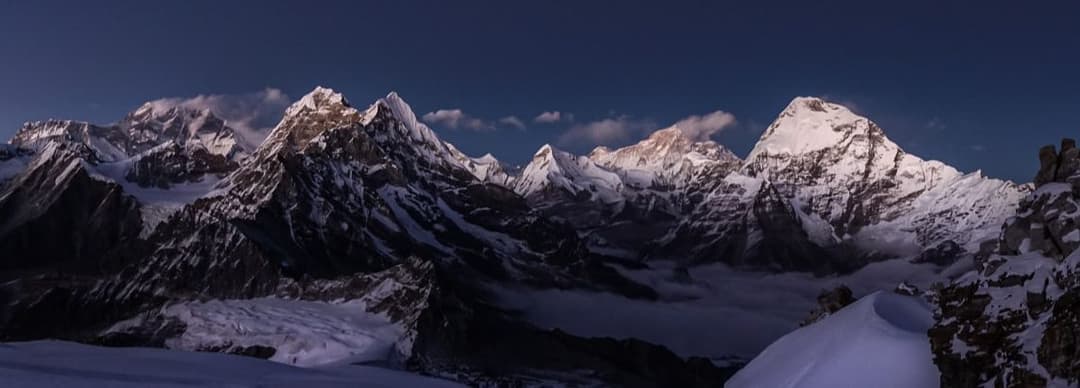
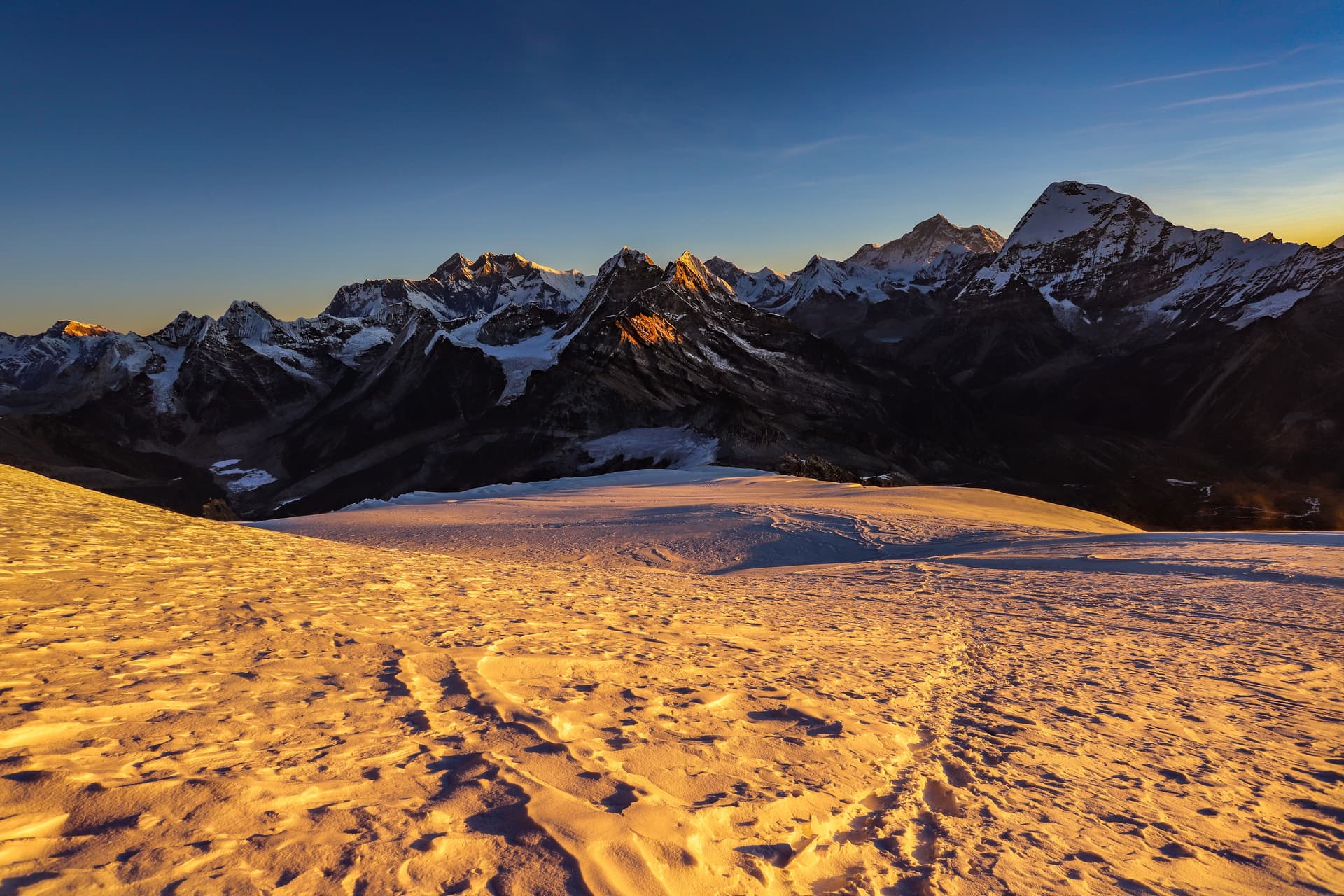
Mera Peak, standing at 6,476 meters (21,247 feet), is one of Nepal's highest trekking peaks and offers an exhilarating adventure for climbers seeking to conquer a Himalayan summit. Located in the remote Hinku Valley, Mera Peak provides breathtaking panoramic views of five of the world's highest peaks: Everest, Lhotse, Makalu, Cho Oyu, and Kanchenjunga. The ascent of Mera Peak is a non-technical climb, making it accessible to trekkers with basic mountaineering skills and a strong sense of adventure. The journey to Mera Peak takes you through pristine forests, traditional Sherpa villages, and high alpine terrain, offering a rich cultural experience alongside the physical challenge. The highlight of the expedition is undoubtedly standing on the summit of Mera Peak, where climbers are rewarded with one of the most spectacular mountain vistas in the world.
Itinerary

Detailed Itinerary
1
Day 1: Arrive in Kathmandu, Nepal

Upon arrival at Tribhuvan International Airport, our team will welcome you and transfer you to your hotel. After settling in, you can simply relax, enjoy a peaceful dinner, and unwind before your adventure begins.

Elevation1400m
MealDinner
Accommodation3-5 star hotel
2
Day 2: Preparation in Kathmandu

Today is dedicated to preparing for the Mera Peak expedition. After breakfast, you'll attend a pre-trek briefing with your guides, covering the final details of the trek, including safety protocols, equipment checks, and acclimatization strategies. You’ll have time to organize and check your gear, with assistance available if you need to purchase or rent any additional items. Get ready and explore Kathmandu!

Elevation1400m
MealBreakfast, Lunch, Dinner
Accommodation3-5 star hotel
3
Day 3: Kathmandu to Kharikhola by Jeep8-9 hours

After breakfast, we will depart from Kathmandu for Kharikhola via the BP highway. Kharikhola is a popular viewpoint for Mount Everest. The road follows the valley of the Sun Koshi River and passes through several valleys and beautiful landscapes. We will be using a 4-wheel-drive Jeep for transportation. Overnight stay in a teahouse.

Duration8-9 hours
Elevation2070m
MealBreakfast, Lunch, Dinner
AccommodationLocal teahouse
4
Day 4: Kharikhola to Pangkoma5-6 hours

The trekking path winds through rhododendron and bamboo forests along a narrow mountain trail. Along the way, you'll be treated to stunning views of the Dudhkoshi River valley and Dudh Kund Himal. The day ends at the farming and trading village of Pangkongama, where you'll rest for the night.

Duration5-6 hours
Elevation2846m
MealBreakfast, Lunch, Dinner
AccommodationLocal teahouse
5
Day 5: Pangkoma to Ramailo Danda5-6 hours

We depart from Pangkoma and make our way toward Ramailo Danda. After trekking for a few hours, we arrive at Ningsow, passing numerous mani walls—stones inscribed with Tibetan Buddhist prayers. Along the route, we also cross the Pangkoma La Pass (3,174m). From Ningsow, the trail becomes more challenging as we continue toward Ramailo Danda.

Duration5-6 hours
Elevation3276m
MealBreakfast, Lunch, Dinner
AccommodationLocal teahouse
6
Day 6: Ramailo Danda to Chhatra Khola6-7 hours

Today, we head toward Chhatra Khola. After a short trek, we enter the Makalu Barun National Park and follow the Pasang Lhamu trail. The path winds through dense forest, and with a bit of luck, you might catch a glimpse of the elusive Red Panda.


Duration6-7 hours
Elevation2800m
MealBreakfast, Lunch, Dinner
AccommodationLocal teahouse
7
Day 7: Chhatra Khola to Kothe5-6 hours

Today, we head north on the main trail towards Mera Peak, walking alongside the Majang Khola. The trail merges with another path that runs along the Hinku Khola, leading us to Tashing Ongma, where you’ll find seasonal tea shops. As we continue, we cross a bridge over the Sanu Khola before reaching Kothe. Along the way, enjoy views of Mera Peak to the north, passing through forests of tall pine, rhododendron, moss, and lichen. Overnight stay in Kothe.

Duration5-6 hours
Elevation3691m
MealBreakfast, Lunch, Dinner
AccommodationLocal teahouse
8
Day 8: Kothe to Thaknak4-5 hours

Today, you will trek along the west bank of the Hinku River, heading north. The trail passes through grazing pastures for yaks and sheep in the Hinku River valley. After some challenging ascents, you’ll reach the summer herders’ settlement of Gondishung. Near Gondishung, you'll find the 200-year-old Lungsumbga Monastery, with mani walls nearby. A short walk from here takes you to Thaknak, a summer grazing area with a few lodges and shops. Overnight stay in Thaknak.

Duration4-5 hours
Elevation4358m
MealBreakfast, Lunch, Dinner
AccommodationLocal teahouse

View trip detail

Trip Image

Breathtaking Himalayan Views

Experience panoramic views of five of the world’s highest peaks, including the awe-inspiring Everest, Lhotse, Makalu, Cho Oyu, and Kanchenjunga, all visible from the summit of Mera Peak.
Trip Image

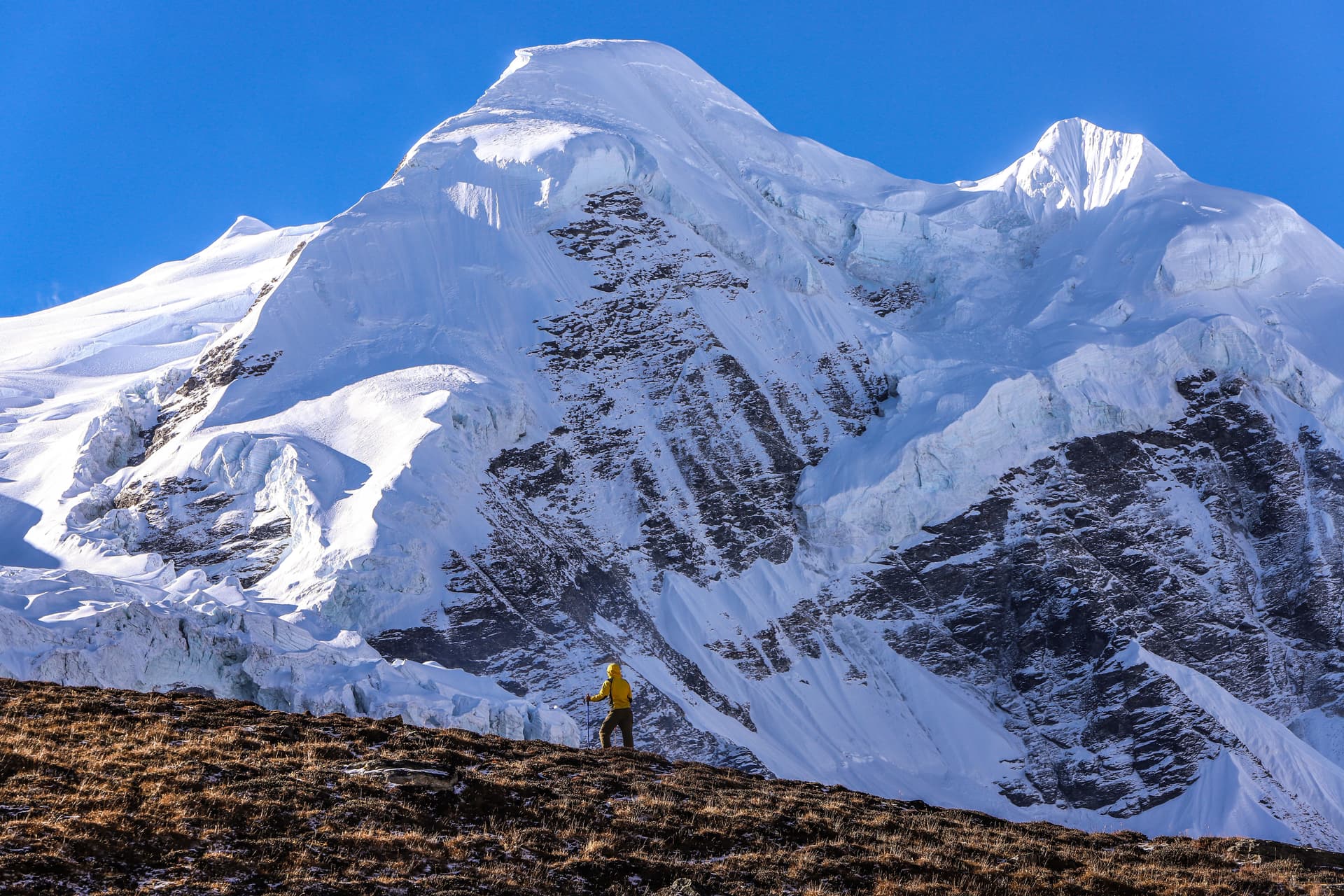
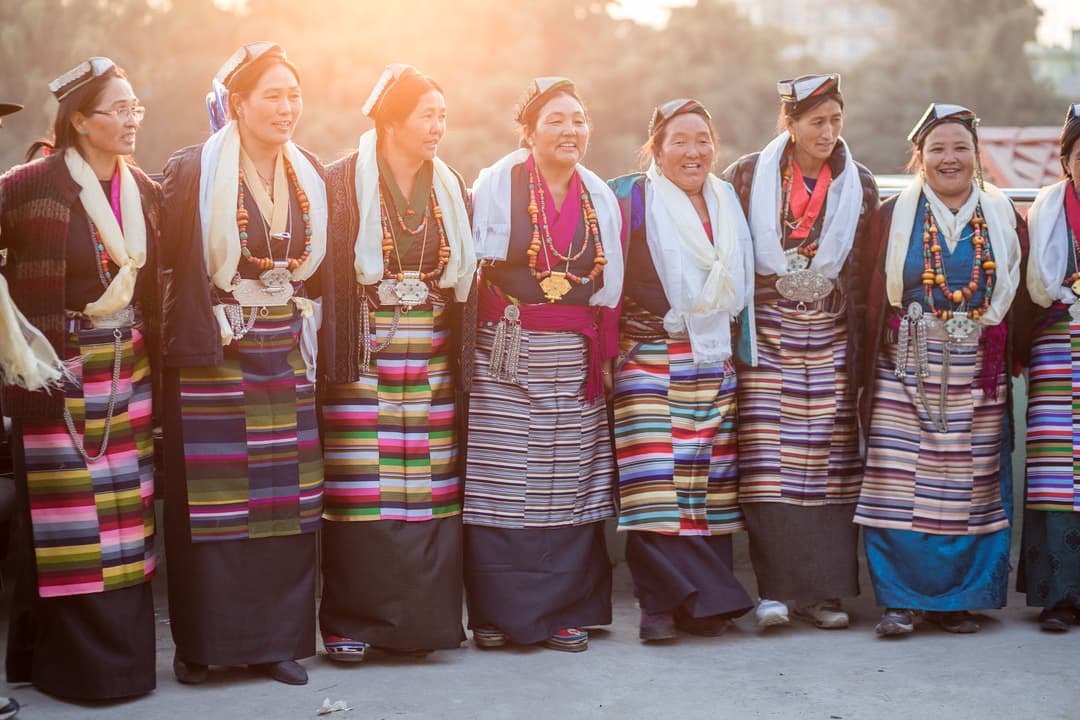
Scenic Trekking Routes and Cultural Immersion

Trek through diverse landscapes such as lush forests, alpine meadows, and glaciers. Pass through traditional Sherpa villages, engaging with local communities and learning about their unique way of life and spiritual traditions.
Trip Image

Adventure and Accomplishment

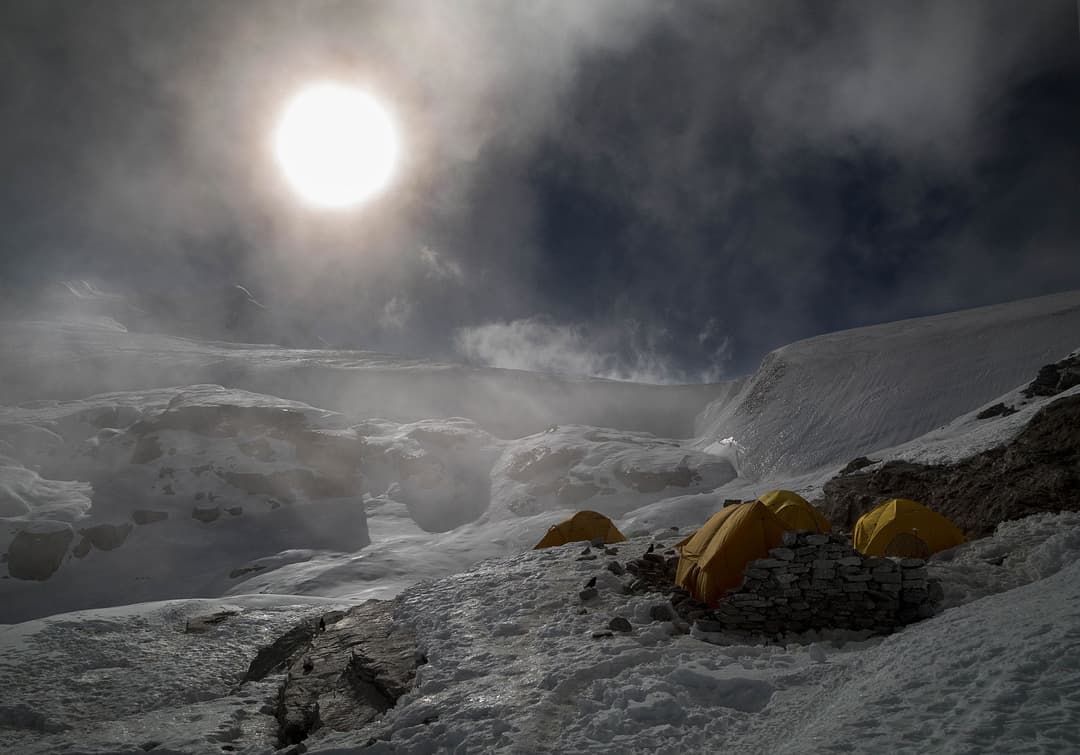
Conquer one of Nepal’s highest trekking peaks (6,476m), offering a thrilling challenge for both novice and seasoned climbers. Test your endurance and climbing skills, reaching the rewarding goal of Mera Peak’s summit.
Trip Image

Supportive Team Environment

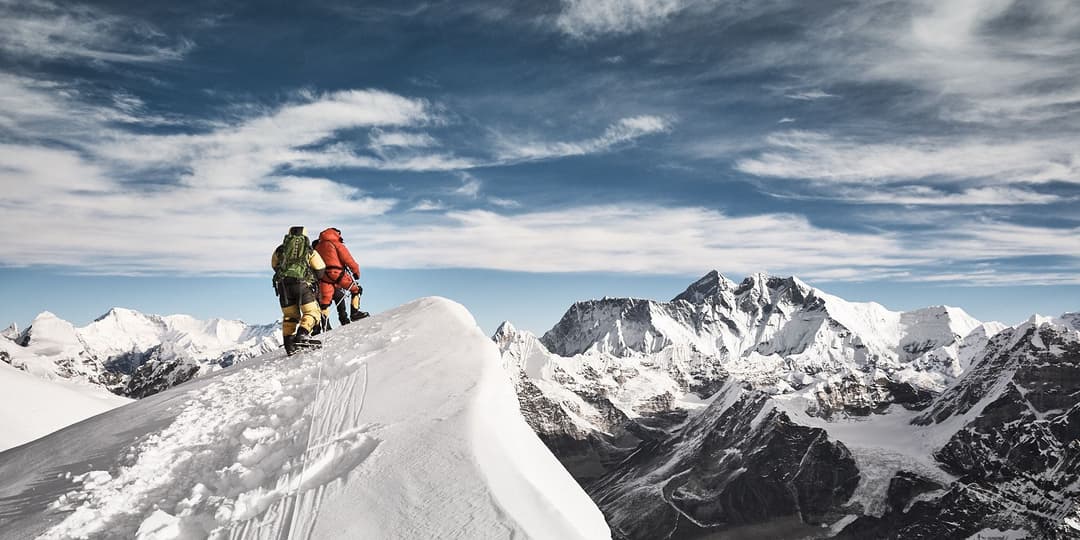
Forge strong bonds with fellow climbers and local guides, sharing the challenges and triumphs of the expedition and building a sense of camaraderie throughout the journey.

Practical Details

Trip Summary
What's included
What's not included
Age Limit16 - 65 years
Best SeasonSpring & Summer
Duration18 Days
Max. Elevation6476m
Group Size15 people
Daily Activity5 to 7 hours daily

Frequently Asked Questions

Do I need previous climbing experience to climb Mera Peak?

You do not need previous climbing experience to climb Mera Peak. The climb is more of a high-altitude trek than a technical climb, and many climbers complete it without needing specialized mountaineering tools like an ice axe. The route involves gradual snow-covered slopes where the use of crampons and trekking poles is usually sufficient.

However, being physically fit and having prior high-altitude trekking experience is highly recommended. While basic mountaineering skills can be helpful, they are not strictly necessary for this climb. Most guided expeditions will provide basic training if needed. Acclimatization is crucial due to the peak’s high altitude.

What is the success rate for climbing Mera Peak?

The success rate for climbing Mera Peak is impressively high, typically ranging from 85% to 95%. This high success rate is due to the non-technical nature of the climb, coupled with proper acclimatization and the expertise of experienced guides. Most trekkers, with adequate preparation and support, successfully reach the summit. Factors such as weather conditions and individual fitness levels can influence the outcome, but with a well-planned itinerary and professional guidance, Mera Peak is an achievable goal for many adventurers.

What happens if I cannot reach the summit?

If you are unable to reach the summit of Mera Peak, several factors could be at play, such as adverse weather conditions, altitude sickness, or physical exhaustion. Here’s what typically happens in such a scenario:

- Safety First: Your safety is the top priority. If you or your guide determine that continuing is too risky, the ascent will be stopped. You may either descend to a safer altitude or return to base camp, depending on the situation.

- Support from the Team: Your trekking team and guide will provide support, whether that means helping you descend, arranging for additional rest, or adjusting the plan to suit your needs.

- Alternative Plans: If conditions improve and you feel better, there may be a chance to attempt the summit again, time permitting. If not, the focus will shift to a safe and enjoyable descent.

- Personal Achievement: Even if you don't reach the summit, the journey itself is an accomplishment. Climbing to high altitudes like those on Mera Peak is challenging, and simply reaching the higher camps is something to be proud of.

- Reflection and Future Plans: Many trekkers who don't reach the summit use the experience as valuable preparation for future climbs. Your guide may provide feedback and suggestions if you wish to attempt the peak again in the future.

In summary, while reaching the summit is the goal, the priority is always your safety and well-being. The experience, regardless of the outcome, is a significant achievement.

Is there any medical support available during the Mera peak climbing?

Medical Support During Mera Peak Climbing

Your safety is our top priority during the Mera Peak climb. Our expeditions are supported by a range of medical resources to ensure you are well cared for throughout the journey:

1. Trained Sherpa guides: Our experienced Sherpa guides are trained in first aid and high-altitude sickness management. They are equipped to monitor your health and address any common medical issues that may arise.

2. Comprehensive First Aid Kits: We carry well-stocked first aid kits containing essential medical supplies, including treatments for altitude sickness, minor injuries, and other common ailments.

3. Emergency Communication: Our team is equipped with satellite phones or radios to ensure that we can quickly coordinate rescue operations if necessary.

4. Helicopter Evacuation: In the event of a serious medical emergency, helicopter evacuation services are available to transport you to the nearest medical facility. We strongly recommend that all participants have travel insurance that covers emergency evacuation.

5. Portable Medical Devices: For your safety, our team may carry portable medical devices, such as pulse oximeters, to monitor oxygen levels and detect early signs of altitude sickness.

With our professional and prepared team, you can embark on your Mera Peak adventure knowing that medical support is always within reach.

Can I Rent Climbing Gear in Nepal, or Should I Bring My Own?

For your Mera Peak expedition, we offer flexible options when it comes to climbing gear, so you can choose what works best for you:

- Gear Rental Options:

Khare Rentals: You can rent essential climbing gear, such as crampons and ropes, directly in Khare. This is convenient for those who want to avoid carrying heavy equipment throughout their journey.

Kathmandu Rentals: Sleeping bags and down jackets can be rented or borrowed in Kathmandu before your trek begins. This allows you to travel light and pick up high-quality gear locally.

- What We Provide:

Peak Tents and Food: All necessary peak tents and meals are provided as part of your expedition package, ensuring you are well-fed and comfortable during your climb.

- What to Bring:

Personal Items: We strongly recommend that you bring your own climbing jacket and climbing shoes. These items are crucial for your comfort and safety, as they need to fit perfectly and be well-suited to your personal needs.

By providing essential gear rentals and taking care of your food and shelter needs, we make it easier for you to focus on the adventure. However, for critical personal items like your climbing jacket and shoes, it’s best to bring your own to ensure a comfortable and successful climb.
Still have questions?
We’re here to help, Contact us directly, and our team will provide assistance or check ourSupport page..