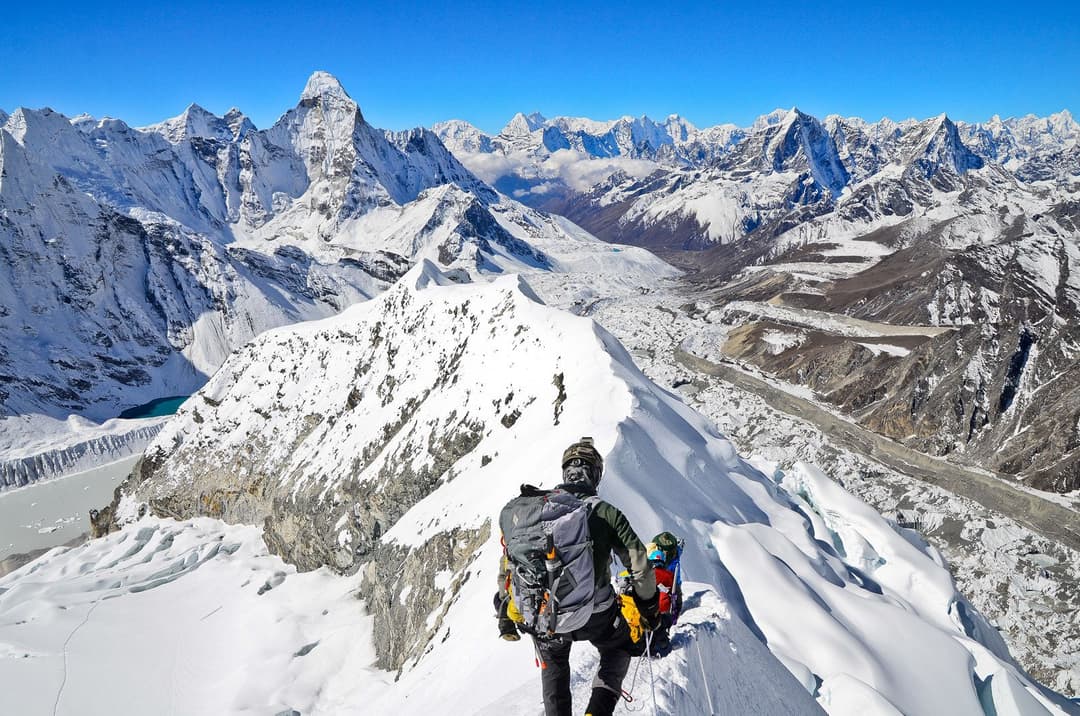
Ascending Island Peak: A Quest in the Sea of Ice

Khumbu region
from $2600/person
LevelChallenging
Group SizeMax. 15 people
Duration17 Days
Daily Activity5 - 7 hours
Max. Elevation6189m

Island Peak, or Imja Tse, rises to 6,189 meters and offers an exhilarating climb in the heart of the Everest region. Aptly named for its appearance as an island amid a sea of ice when seen from Dingboche, this adventure combines trekking with mountaineering, offering breathtaking views of Everest, Lhotse, and Ama Dablam. The journey winds through the legendary Khumbu Valley, immersing you in Sherpa culture and leading through some of the world's most iconic trekking paths. The final ascent of Island Peak is a thrilling challenge, involving glacier crossings, crevasse navigation, and a steep headwall, making it a perfect quest for the daring adventurer.
Itinerary

Detailed Itinerary
1
Day 1: Arrival in Kathmandu

Upon arrival at Tribhuvan International Airport, our team will welcome you and transfer you to your hotel. After settling in, you can simply relax, enjoy a peaceful dinner, and unwind before your adventure begins.

Elevation1400m
MealDinner
Accommodation3-5 star hotel
2
Day 2: Preparation in Kathmandu

Today is focused on preparing for the Island Peak Expedition. After breakfast, you'll attend a pre-expedition briefing with your guides, where the final details will be discussed, including safety protocols, equipment checks, and acclimatization strategies. You'll have time to organize and inspect your gear, with assistance available if you need to purchase or rent any additional items. Once you're ready, take the opportunity to explore Kathmandu.
 

Elevation1400m
MealBreakfast, Lunch, Dinner
Accommodation3-5 star hotel
3
Day 3: Fly to Lukla and Trek to Phakding3-4 hours

We start our day early with a thrilling flight to Lukla, the gateway to the Everest region. The short, scenic flight brings us to the Lukla Hillary airstrip, where breathtaking mountain views welcome us to the Himalayas. From the airport, we begin our trek to Phakding along a gentle trail. The path winds past chortens, mani walls, and prayer flags, all vibrant signs of the region's rich Buddhist culture. Following the Dudh Koshi River, we arrive at the village of Phakding, where we settle into our teahouse lodge for the night and enjoy a well-earned dinner.

Duration3-4 hours
Elevation2610m
MealBreakfast, Lunch, Dinner
AccommodationLocal teahouse
4
Day 4: Phakding to Namche Bazaar 5-7 hours

Today, our trek leads us into Sagarmatha National Park as we make our way to Namche Bazaar. Starting from Phakding, we’ll follow the river, crossing it at various points via suspension bridges. After a quick stop at the national park checkpoint in Monjo, we’ll press on towards our goal. The trail today is challenging, with a steady uphill climb, but we'll take it slow to manage the ascent. We’ll spend the night at a cozy teahouse, where we can refresh and enjoy dinner.

Duration5-7 hours
Elevation3440m
MealBreakfast, Lunch, Dinner
AccommodationLocal teahouse
5
Day 5: Acclimatization Day in Namche Bazaar

Namche is an ideal spot to acclimatize. As the central hub of the Khumbu Region, it offers everything from government offices and Internet cafés to ATMs, restaurants, and stores. Health experts recommend staying active on rest days, so you might hike up to Thamo or Khunde. Another option is to visit Khumjung village via the Everest View Hotel in Syangboche. Our guides will take you to the Sagarmatha National Park Visitor Center, where you can dive into Sherpa culture and learn about the first Everest climbers, as well as the region's unique flora and fauna.

Elevation3440m
MealBreakfast, Lunch, Dinner
AccommodationLocal teahouse
6
Day 6: Namche Bazaar to Phortse5-6 hours

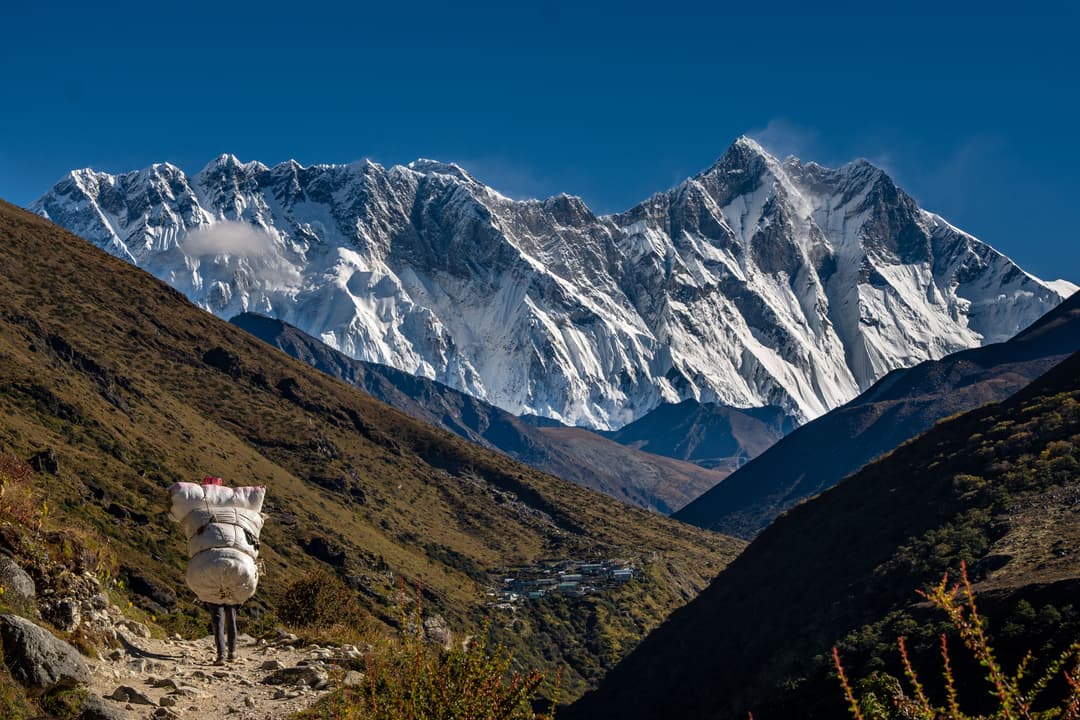
Leaving Namche Bazaar, we pass by a chorten honoring Tenzing Norgay Sherpa before stopping at Kyangjuma for a morning tea break. Continuing on, we ascend the high trail towards Phortse, renowned for its potato and buckwheat fields.

The trek to Phortse is relatively straightforward, leading us through Mong La and descending to Phortse Tenga. After crossing the Dudh Koshi River, we face a steep climb to the picturesque village of Phortse, offering an alternative route to Everest Base Camp. Along the way, we are treated to breathtaking views of Everest, Nuptse, and Ama Dablam. Phortse, celebrated for its natural beauty, remains a hidden gem in the region.


Duration5-6 hours
Elevation3810m
MealBreakfast, Lunch, Dinner
AccommodationLocal teahouse
7
Day 7: Phortse to Dingboche4-5 hours

We embark on a journey from the picturesque village of Phortse to the charming tea-house hub of Dingboche. The trail meanders alongside the deep canyon carved by the Imja Khola river, offering breathtaking views as we ascend. Our path takes us on a gentle rise toward Tengboche, where we pause to explore the historic Tengboche Monastery, one of the region's oldest spiritual sites. As the afternoon unfolds, the trek becomes more challenging, with the landscape shifting to rugged, barren mountains. Pressing on, we follow the trail and eventually arrive at the serene village of Dingboche.

Duration4-5 hours
Elevation4410m
MealBreakfast, Lunch, Dinner
AccommodationLocal teahouse
8
Day 8: Acclimatization Day in Dingboche

We acclimatize in Dingboche to better adapt to the high altitude. The ideal strategy for acclimatization is to hike to a higher elevation and sleep at a lower one, so we’ll spend the day hiking to Nangartshang Hill. This hike offers panoramic views of the majestic Ama Dablam, Lhotse, and Nuptse as we follow the valley’s path toward Island Peak. The sight of the sun setting over these peaks is breathtaking, and we’ll return to Dingboche to explore the village and soak in its charm. Alternatively, we can hike up to Chhukung Ri, where we’ll be rewarded with views of Island Peak, Ama Dablam, Makalu, Tawoche Peak, and more. We will spend the night in Dingboche.
 

Elevation4410m
MealBreakfast, Lunch, Dinner
AccommodationLocal teahouse

View trip detail

Trip Image

Breathtaking Panoramic Views

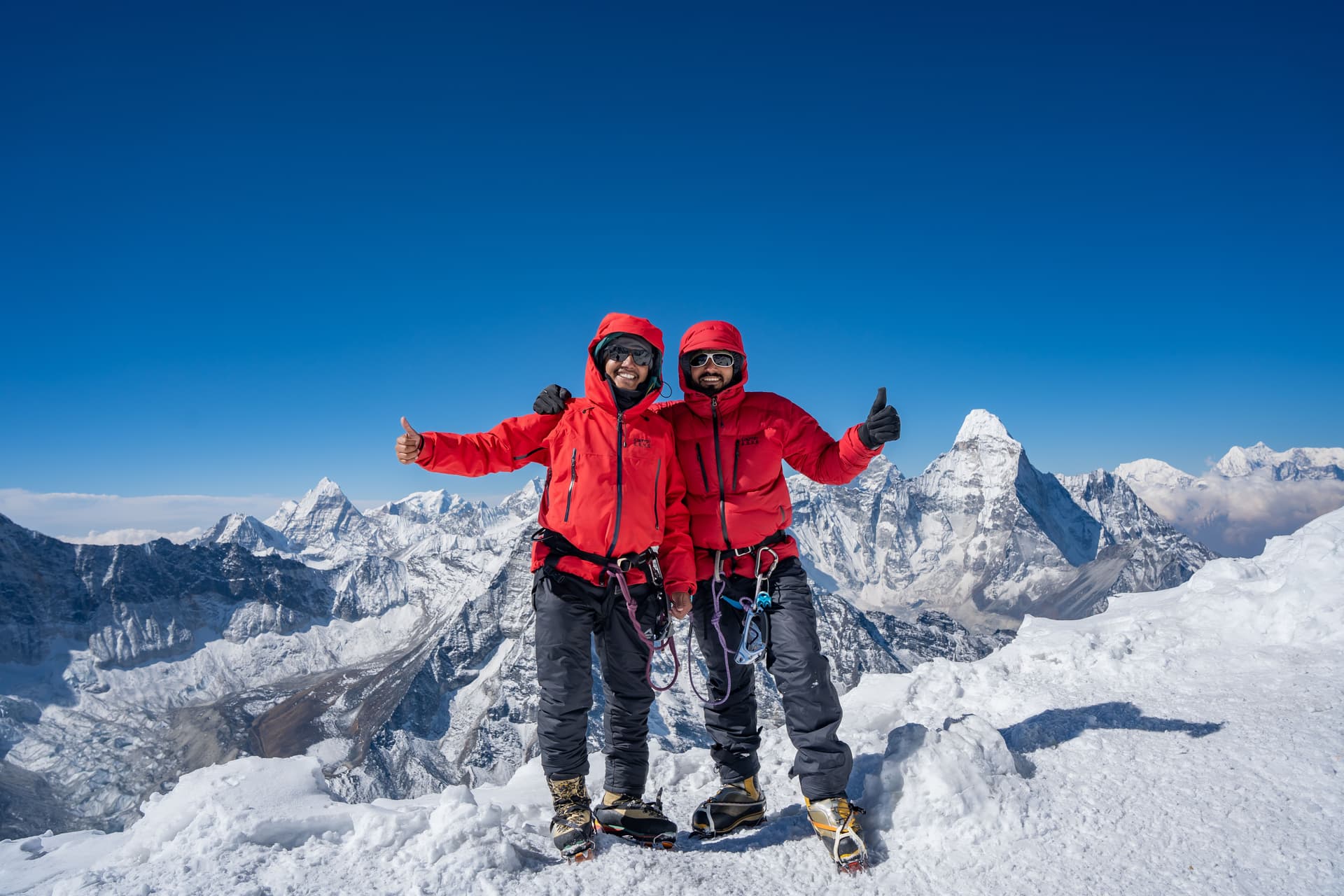
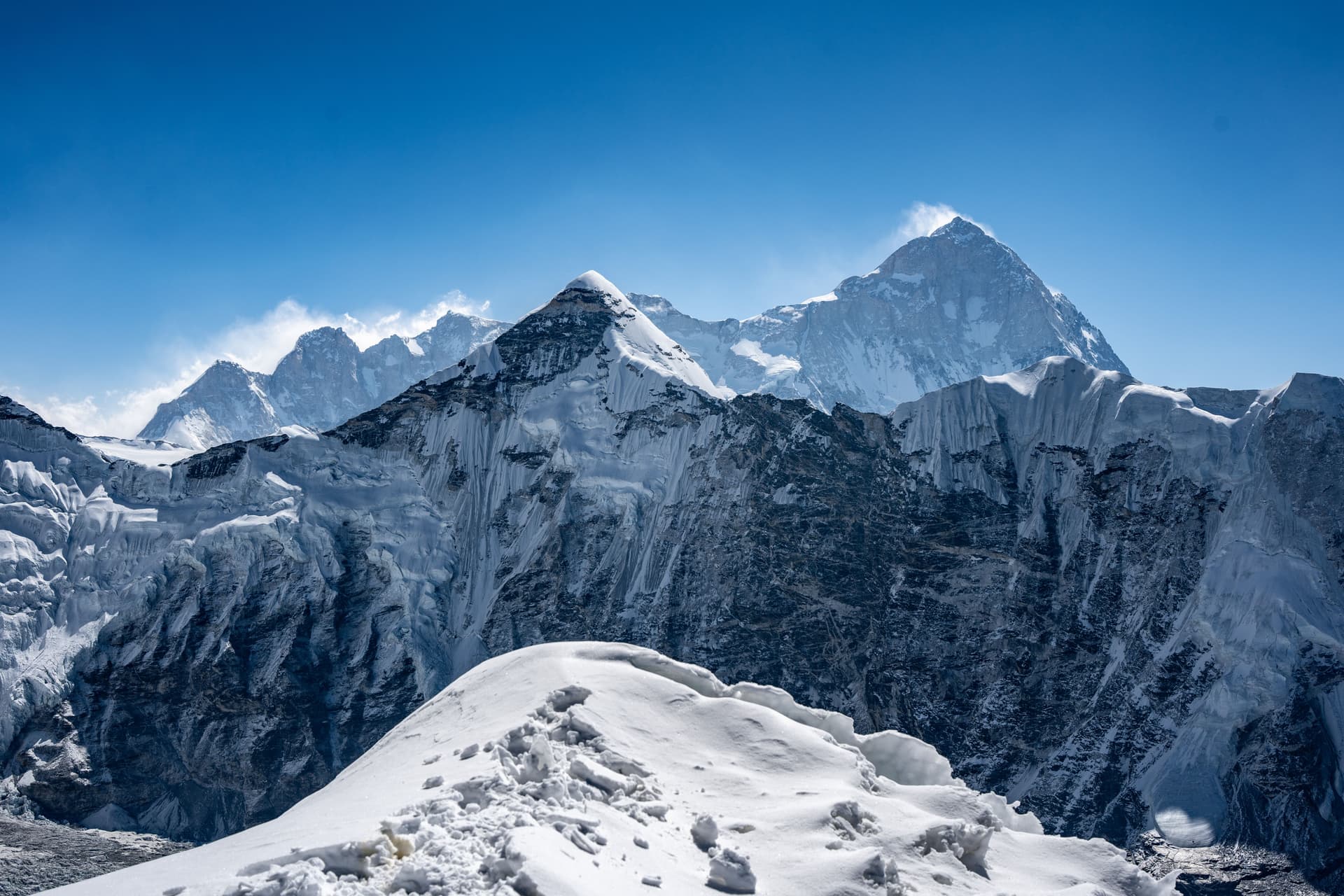
Summiting Island Peak immerses you in a breathtaking 360-degree panorama of the Himalayas, where the majesty of Mount Everest, Lhotse, Nuptse, Makalu, Baruntse, and Ama Dablam unfolds before your eyes. Standing atop the peak, you're surrounded by a vast expanse of snow-capped giants, their sheer size and beauty leaving an indelible mark on your memory. This unparalleled vantage point offers a moment of pure awe, a climactic reward that few experiences can match.
Trip Image

Adventure in the Heart of the Khumbu Region

Embarking on the Island Peak climb takes you deep into the Khumbu region, a land renowned for its dramatic landscapes and the vibrant culture of the Sherpa people. The journey weaves through the iconic Everest Base Camp trail, passing through charming Sherpa villages like Namche Bazaar, Tengboche, and Dingboche. Here, every step is steeped in the rich traditions and warm hospitality of the Sherpa community, making this adventure as culturally enriching as it is thrilling.
Trip Image

A Challenging Yet Attainable Summit

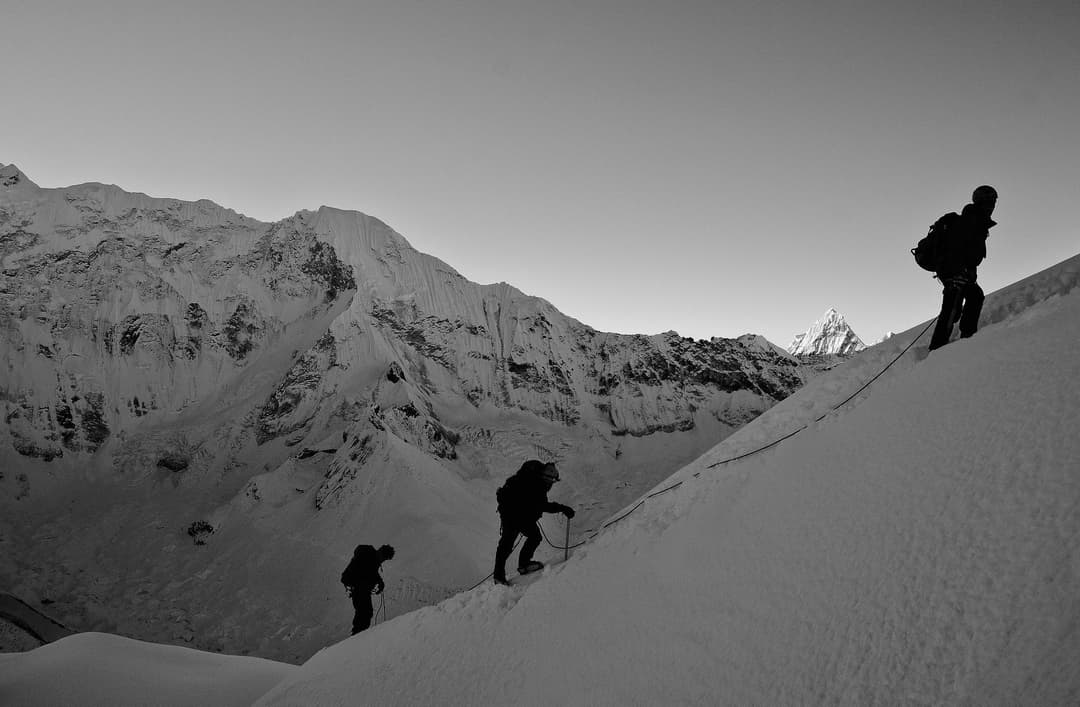
The ascent to Island Peak strikes a perfect balance between challenge and accessibility, making it an ideal goal for trekkers aspiring to delve into mountaineering. The climb offers just the right amount of difficulty to be rewarding, yet it remains within reach for those with determination and preparation. Reaching the summit delivers a profound sense of achievement, blending the exhilaration of conquering a Himalayan peak with the satisfaction of mastering a new skill.
Trip Image

A Journey of Personal Achievement and Growth

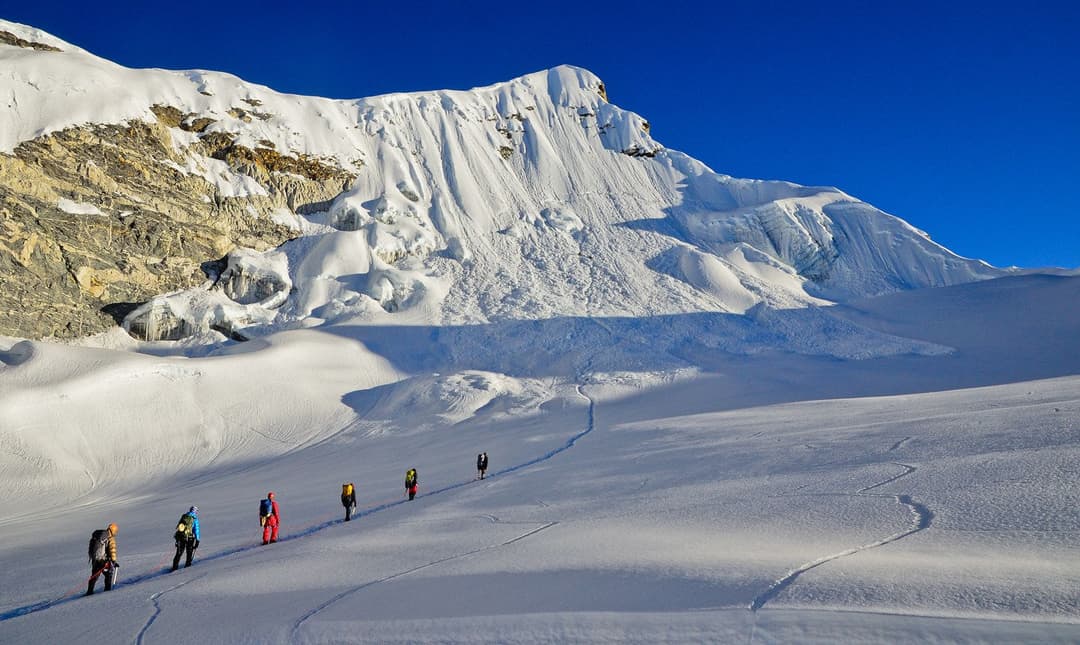
Climbing Island Peak is more than just a physical endeavor; it’s a transformative journey of personal growth. As you trek through rugged terrain and confront the physical and mental demands of high-altitude climbing, you tap into reservoirs of inner strength you never knew you had. The moment you stand on the summit, having overcome every obstacle, you’re not just at the top of a mountain—you’re at a new height of personal accomplishment, carrying with you a renewed sense of confidence and resilience.

Practical Details

Trip Summary
What's included
What's not included
Age Limit18 - 60 years
Best SeasonSpring & Autumn
Duration17 Days
Max. Elevation6189m
Group Size15 people
Daily Activity5 to 7 hours daily

Frequently Asked Questions

How Does Island Peak Compare to Other Himalayan Climbs?

Island Peak is often considered a stepping stone for climbers aiming for higher Himalayan summits. It offers a perfect blend of challenge and accessibility, making it more approachable than the likes of Everest or Lhotse, but still providing an authentic mountaineering experience. The climb is both physically demanding and deeply rewarding, making it a favorite among aspiring mountaineers.

What Safety Measures Are in Place for Island Peak Climbers?

Safety is a top priority for Island Peak expeditions. Professional guides with extensive experience in high-altitude climbing lead the expeditions, ensuring that all climbers are well-prepared and equipped. Pre-climb briefings, proper acclimatization schedules, and the use of high-quality gear are all part of the safety protocol, helping to minimize risks and ensure a successful climb.

What Is the Experience Like at Island Peak Base Camp?

Island Peak Base Camp is a rugged and remote site set amidst stunning high-altitude scenery. The camp provides basic facilities, with tents for sleeping and a communal dining tent. The atmosphere at base camp is one of anticipation and camaraderie, as climbers prepare for the final ascent. Surrounded by towering peaks and glaciers, the camp is a place of both challenge and inspiration, where the beauty of the mountains is ever-present.

How Does the Summit Day Unfold?

Summit day on Island Peak begins early, often before dawn. Climbers set out with headlamps, making their way up the steep, icy slopes as the first light of day illuminates the peaks. The final push involves navigating a glacier and a steep headwall before reaching the summit ridge. The reward is the stunning sunrise over the Himalayas and the exhilarating moment of standing on the summit, with the world’s highest peaks surrounding you.
Still have questions?
We’re here to help, Contact us directly, and our team will provide assistance or check ourSupport page..