Everest Base Camp Trek

Khumbu region
from $2300/person
LevelChallenging
Group SizeMax. 20 people
Duration15 Days
Daily Activity4 - 8 hours
Max. Elevation5364m

Embark on an unforgettable adventure through the stunning landscapes of the Everest Base Camp trek, where every step is a dance with nature's grandeur. Starting from Lukla, traverse vibrant rhododendron forests and narrow cliff-side trails, serenaded by glacial streams and prayer wheels. Cross swaying bridges, marvel at the mighty Khumbu Glacier, and savor the warmth of cozy teahouses. Reach the iconic base camp and feel the profound awe and achievement that comes with standing at the foot of the world's tallest peak.
Itinerary

Detailed Itinerary
1
Day 1: Arrival in Kathmandu

You'll be greeted at the airport and transferred to your Kathmandu hotel to settle in. Enjoy a relaxing evening to recover from your journey and prepare for the adventure ahead.

Elevation1400m
MealDinner
Accommodation3-5 star hotel
2
Day 2: Preparation Day in Kathmandu

Spend the day in Kathmandu preparing for your upcoming trek. In the morning, attend an introduction program to meet your guide, company staff, and fellow travelers, and receive essential trek information. Use the rest of the day to organize your gear and gadgets, with assistance available for purchasing or renting any necessary equipment. Enjoy a relaxing evening exploring Kathmandu's cultural sites before the adventure begins.

Elevation1400m
MealBreakfast, Lunch, Dinner
Accommodation3-5 star hotel
3
Day 3: Flight to Lukla (2,860m) and Trek to Phakding3-4 hours

We start our day early with a thrilling flight to Lukla, the gateway to the Everest region. The short, scenic flight brings us to the Lukla Hillary airstrip, where breathtaking mountain views welcome us to the Himalayas.

From the airport, we begin our trek to Phakding along a gentle trail. The path winds past chortens, mani walls, and prayer flags, all vibrant signs of the region's rich Buddhist culture. Following the Dudh Koshi River, we arrive at the village of Phakding, where we settle into our teahouse lodge for the night and enjoy a well-earned dinner.

Duration3-4 hours
Elevation2610m
MealBreakfast, Lunch, Dinner
AccommodationLocal teahouse
4
Day 4: Phakding to Namche Bazaar5-7 hours

Today, our trek leads us into Sagarmatha National Park as we make our way to Namche Bazaar. Starting from Phakding, we’ll follow the river, crossing it at various points via suspension bridges. After a quick stop at the national park checkpoint in Monjo, we’ll press on towards our goal. The trail today is challenging, with a steady uphill climb, but we'll take it slow to manage the ascent. We’ll spend the night at a cozy teahouse, where we can refresh and enjoy dinner.

Duration5-7 hours
Elevation3440m
AccommodationLocal teahouse
5
Day 5: Acclimatization Day in Namche Bazaar

Namche is an ideal spot to acclimatize. As the central hub of the Khumbu Region, it offers everything from government offices and internet cafés to ATMs, restaurants, and stores. Health experts recommend staying active on rest days, so you might hike up to Thamo or Khunde. Another option is to visit Khumjung village via the Everest View Hotel in Syangboche. Our guides will take you to the Sagarmatha National Park Visitor Center, where you can dive into Sherpa culture and learn about the first Everest climbers, as well as the region's unique flora and fauna.

Elevation3440m
MealBreakfast, Lunch, Dinner
AccommodationLocal teahouse
6
Day 6: Namche Bazaar to Phortche 5-6 hours

Leaving Namche Bazaar, we pass by a chorten honoring Tenzing Norgay Sherpa, the legendary partner of Sir Edmund Hillary, before stopping at Kyangjuma for a morning tea break. Continuing on, we ascend the high trail towards Phortse, renowned for its potato and buckwheat fields.

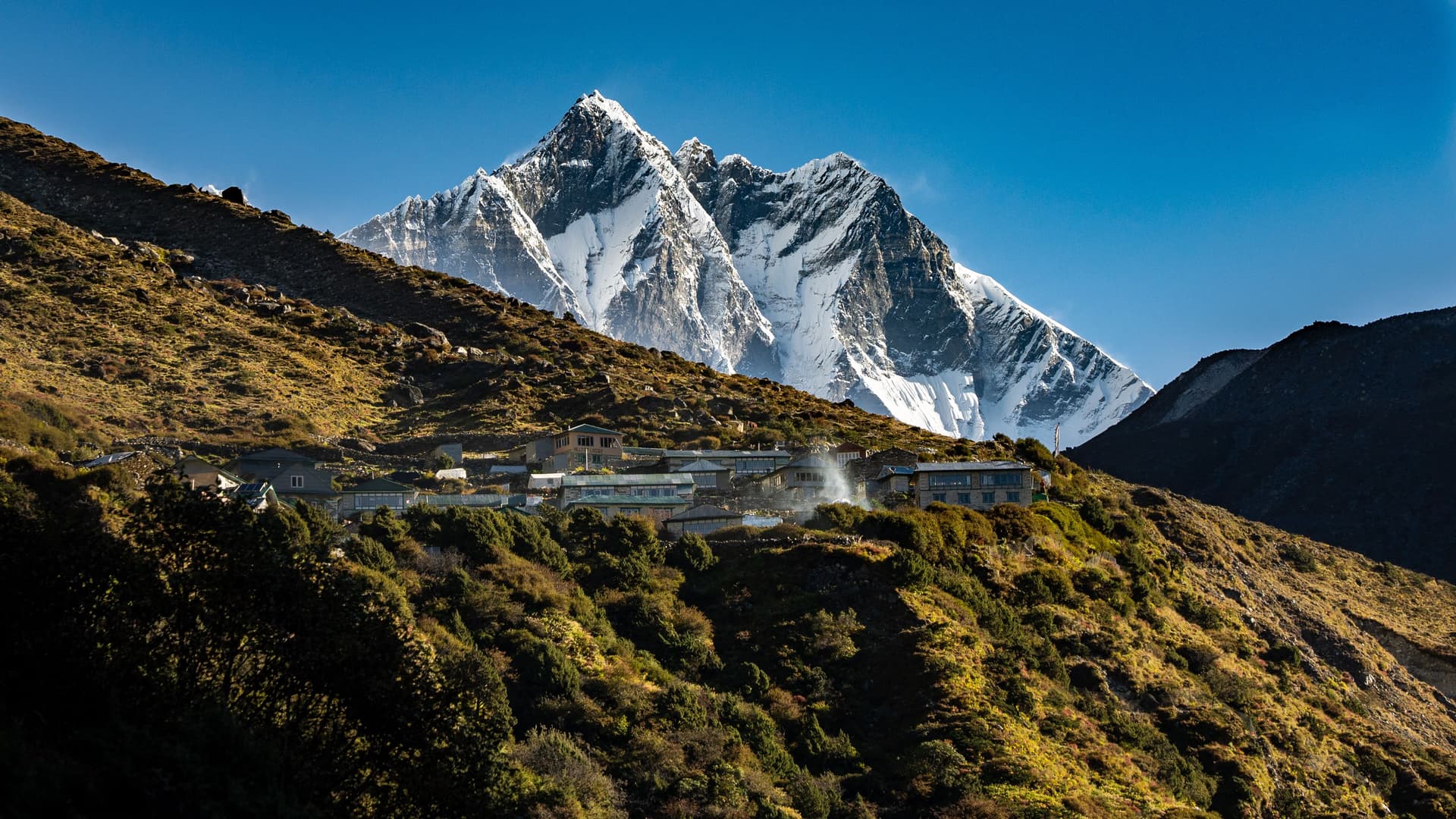
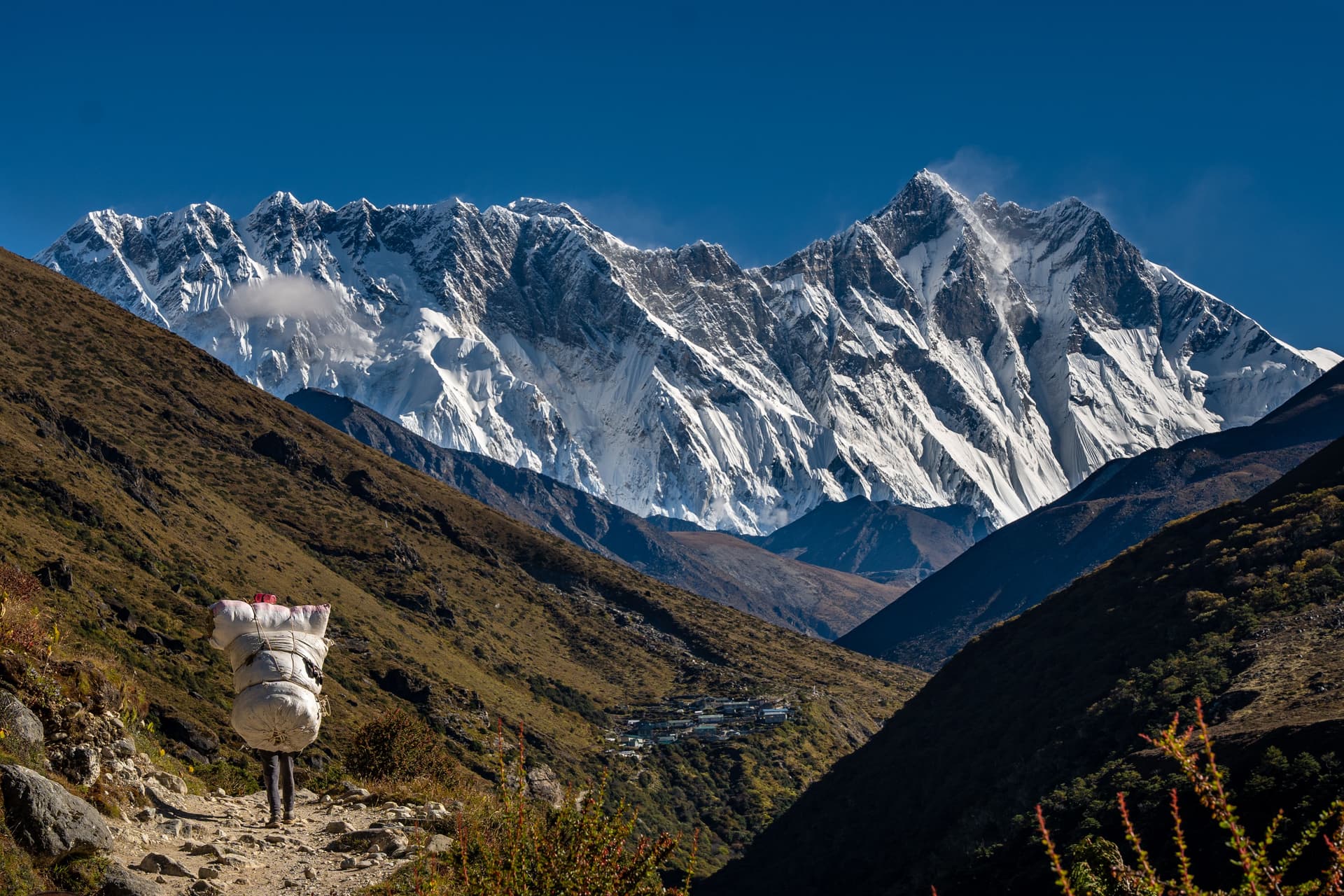
The trek to Phortse is relatively straightforward, leading us through Mong La and descending to Phortse Tenga. After crossing the Dudh Koshi River, we face a steep climb to the picturesque village of Phortse, offering an alternative route to Everest Base Camp. Along the way, we are treated to breathtaking views of Everest, Nuptse, Lhotse, Ama Dablam, Thamserku, and Kwangde. Phortse, celebrated for its natural beauty, remains a hidden gem in the Everest region.

Duration5-6 hours
Elevation3810m
MealBreakfast, Lunch, Dinner
AccommodationLocal teahouse
7
Day 7: Phortche to Dingboche4-5 hours

We embark on a journey from the picturesque village of Phortse to the charming tea-house hub of Dingboche. The trail meanders alongside the deep canyon carved by the Imja Khola river, offering breathtaking views as we ascend. Our path takes us on a gentle rise toward Tengboche, where we pause to explore the historic Tengboche Monastery, one of the region's oldest spiritual sites. As the afternoon unfolds, the trek becomes more challenging, with the landscape shifting to rugged, barren mountains. Pressing on, we follow the trail and eventually arrive at the serene village of Dingboche.

Duration4-5 hours
Elevation4410m
MealBreakfast, Lunch, Dinner
AccommodationLocal teahouse
8
Day 8: Acclimatization Day in Dingboche

We acclimatize in Dingboche to better adapt to the high altitude. The ideal strategy for acclimatization is to hike to a higher elevation and sleep at a lower one, so we’ll spend the day hiking to Nangartshang Hill. This hike is truly exceptional, offering panoramic views of the majestic Ama Dablam, Lhotse, and Nuptse as we follow the valley’s path toward Island Peak. The sight of the sun setting over these peaks is breathtaking, and we’ll return to Dingboche to explore the village and soak in its charm.

Alternatively, we can hike up to Chhukung Ri, where we’ll be rewarded with views of Island Peak, Ama Dablam, Makalu, Tawoche Peak, and more. We will spend the night in Dingboche.

Elevation4410m
MealBreakfast, Lunch, Dinner
AccommodationLocal teahouse

View trip detail

Trip Image

Awe-Inspiring Vistas of the World's Tallest Peaks

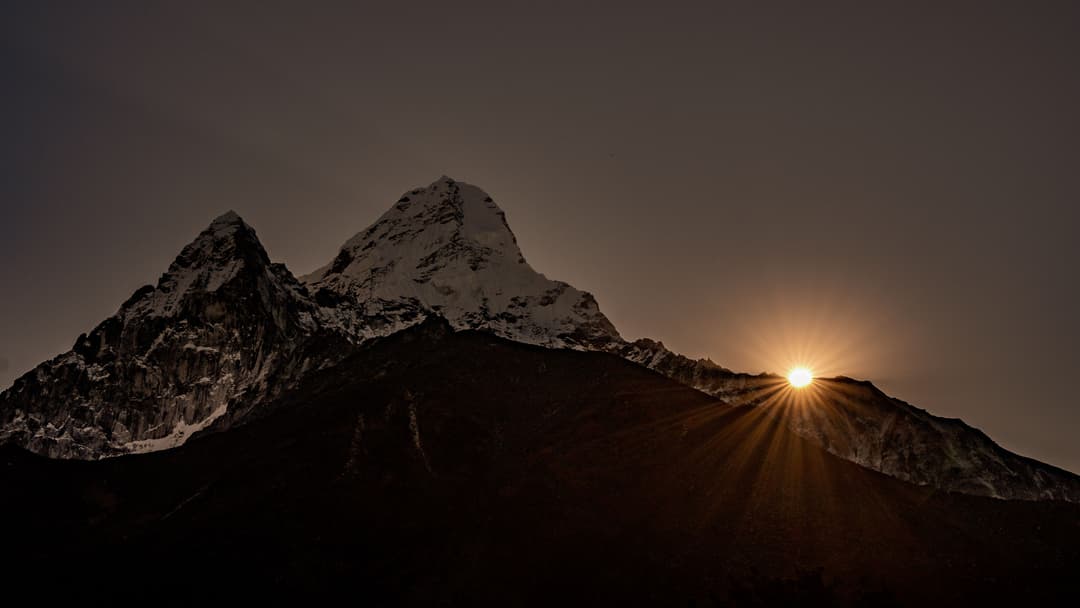
Embark on a journey that offers unmatched views of some of the planet’s highest mountains, including the majestic Mount Everest, Lhotse, Nuptse, and Ama Dablam. The panoramic sight from Kala Patthar (5,545 meters) is unrivaled, providing a breathtaking close-up of Everest—a highlight of the trek that leaves an indelible mark.
Trip Image

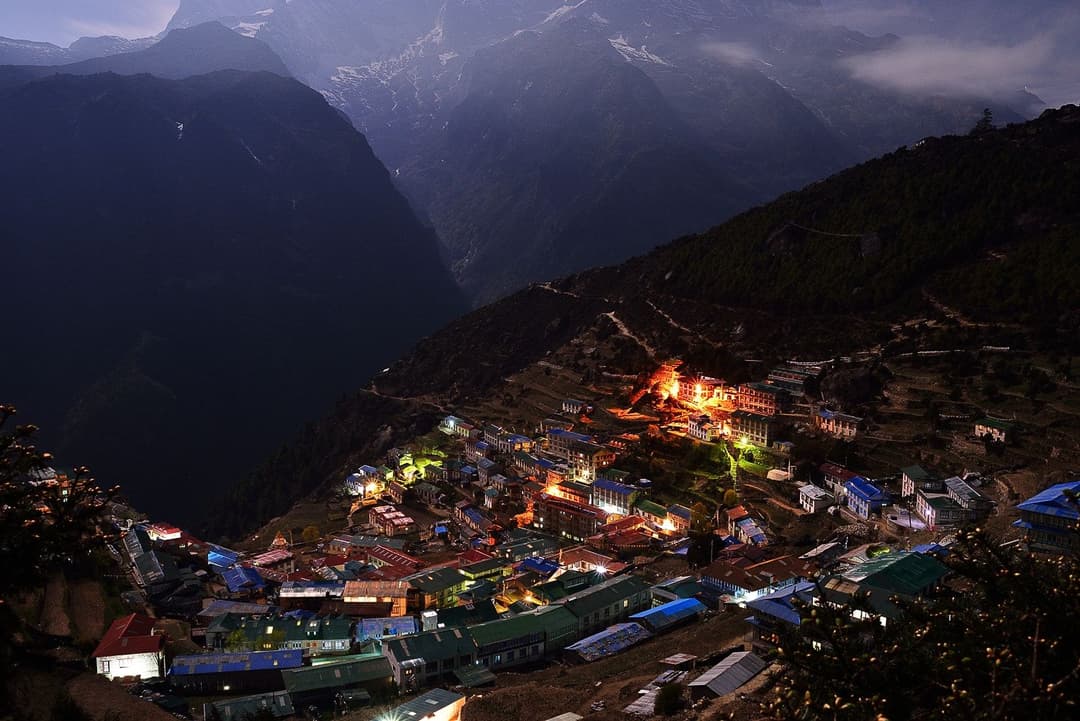
Namche Bazaar: The Thriving Heart of the Khumbu

Nestled at 3,440 meters, Namche Bazaar is more than just a stopover; it’s the bustling heart of the Khumbu region and a gateway to the Everest adventure. This lively village is where trekkers can acclimatize while sipping a warm cup of coffee, browsing the vibrant local markets, and delving into the rich history of Sherpa culture and mountaineering at its dedicated museums.
Trip Image

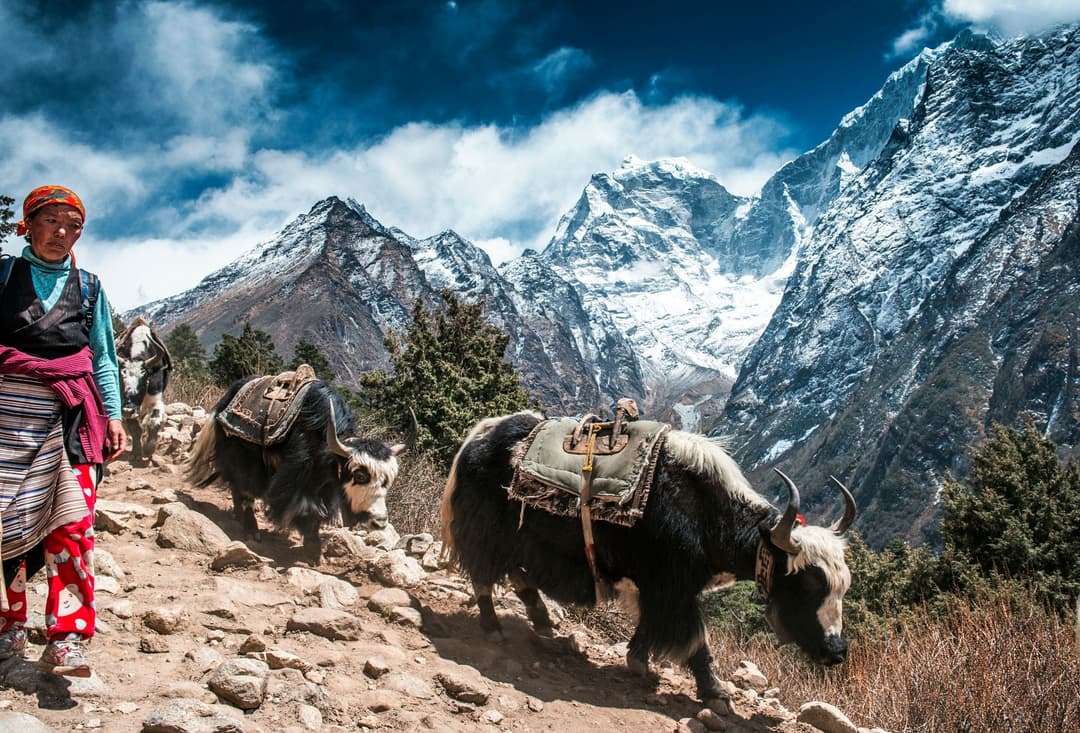
Immersive Sherpa Culture

The Khumbu region, home to the legendary Sherpa people, offers an authentic cultural experience. Renowned for their unparalleled mountaineering prowess and deep-rooted traditions, the Sherpas warmly welcome you into their villages, such as Namche Bazaar and Tengboche. Here, you’ll experience their hospitality, visit sacred monasteries, and gain insight into their spiritual bond with the towering peaks.
Trip Image

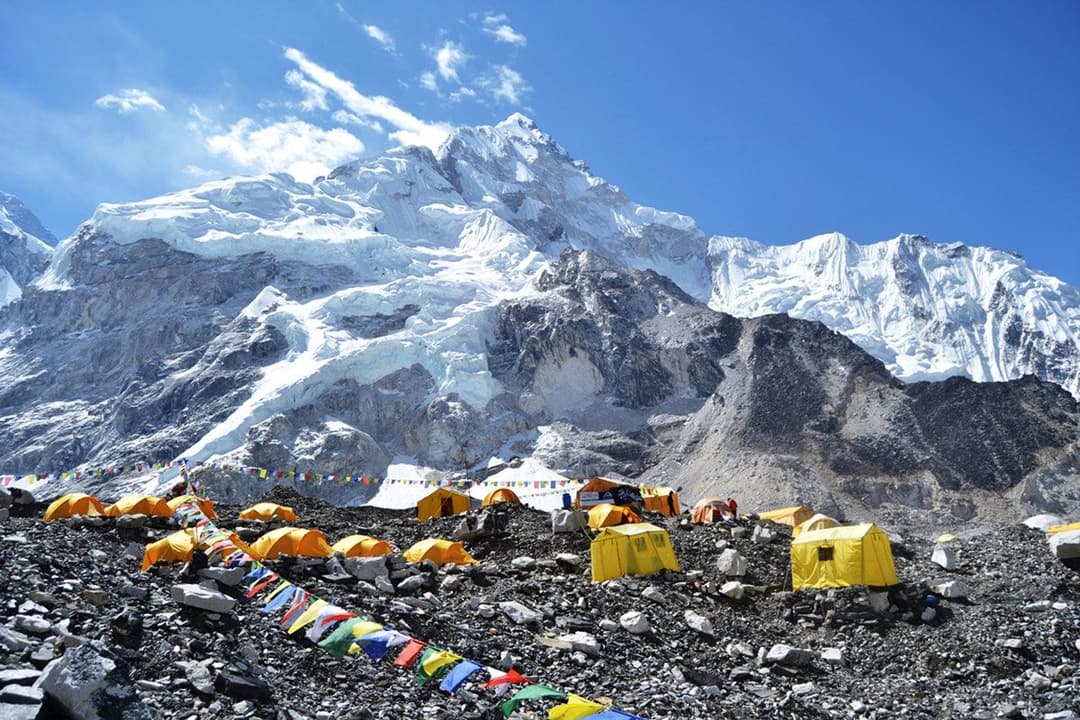
The Triumph of Reaching Everest Base Camp

Standing at Everest Base Camp, 5,364 meters above sea level, is a moment of profound emotion and triumph. While not the summit itself, the sense of accomplishment is overwhelming as you stand where the world’s most daring climbers begin their ascent. Surrounded by the vibrant hues of mountaineering tents and the awe-inspiring Khumbu Icefall, it’s a memory that lasts a lifetime.

Practical Details

Trip Summary
What's included
What's not included
Age Limit12 - 70 years
Best SeasonSpring & Autumn
Duration15 Days
Max. Elevation5364m
Group Size20 people
Daily Activity4 to 8 hours daily

Frequently Asked Questions

What’s the difference between the Everest Base Camp trek and other popular treks in Nepal?

The Everest Base Camp (EBC) trek is unique for its close proximity to Mount Everest, offering trekkers the chance to stand at the base of the world’s highest peak. Unlike other treks in Nepal, the EBC trek provides breathtaking views of iconic mountains like Lhotse and Ama Dablam, as well as the experience of trekking through the heart of Sherpa culture in villages like Namche Bazaar.

This trek also requires careful acclimatization due to its high altitude, making it more challenging than other popular routes like the Annapurna Circuit. The EBC trek is well-developed with many facilities, but it can be busier compared to less-traveled paths like the Manaslu Circuit.

How does altitude affect sleep during the trek?

Sleeping at high altitudes can be challenging for some trekkers, often leading to insomnia or disrupted sleep patterns. This is a common side effect of being at higher elevations. To enhance sleep quality, it's important to follow a regular sleep schedule, keep warm, and avoid caffeine in the evening. Our carefully designed acclimatization plan also aids your body in adjusting to the altitude, helping to improve sleep as you ascend.

It safe to trek to Everest Base Camp?

Yes, trekking to Everest Base Camp is generally safe for those who are well-prepared and follow the guidance of experienced guides. The route is well-established, and thousands of trekkers successfully complete the journey each year. However, like any high-altitude trek, it carries some risks, such as altitude sickness. Our trekking packages include acclimatization days to help reduce these risks, and our guides are trained to handle any emergencies that may arise. With the right preparation and support, trekking to Everest Base Camp can be a safe and rewarding experience.

What is the highest point on the trek?

The highest point on the Everest Base Camp trek is Kala Patthar, which stands at 5,545 meters. This viewpoint offers a stunning, close-up view of Mount Everest and is often considered the highlight of the trek, providing panoramic vistas of the surrounding peaks, including Lhotse, Nuptse, and Ama Dablam.
Still have questions?
We’re here to help, Contact us directly, and our team will provide assistance or check ourSupport page..