Annapurna Circuit Trek

Annapurna Region
from $1500/person
LevelModerate
Group SizeMax. 20 people
Duration14 Days
Daily Activity5 - 7 hours
Max. Elevation5416m

The Annapurna Circuit Trek with Tilicho Lake brings together two of the region’s top highlights: the classic circuit around the Annapurna massif and a visit to Tilicho Lake, one of the world’s highest lakes at 4,919m. The route moves from warm river valleys up to high alpine terrain, making it one of Nepal’s most varied and rewarding long-distance treks. Along the way, trekkers pass through many environments: subtropical forests, narrow gorges, open yak pastures, and the dry, windswept areas of Manang and Mustang. The side trip to Tilicho Lake is a special highlight—a turquoise alpine lake surrounded by rock walls and glaciers, reached by a steady but exposed trail. Achieve Treks is a Sherpa-led company with extensive experience in high-altitude travel. We focus on practical pacing, acclimatization, respect for local culture, and making safe choices at every step.
Itinerary

Detailed Itinerary
1
Day 1: Drive Kathmandu to Besisahar to Dharapani9-10 hours

You leave Kathmandu early in the morning by tourist bus, driving west along the main highway toward Besisahar. The journey passes through river valleys, terraced hillsides, and small roadside towns. After reaching Besisahar, you transfer to a local jeep for the mountain section of the drive.

From Besisahar, the road follows the Marsyangdi River northward on a rough but scenic jeep track, climbing steadily through villages, forests, and deep river gorges. The terrain becomes noticeably more rugged as you approach the high hills of the Manang district.

You arrive in Dharapani, an important gateway village on the Annapurna Circuit and the official entry checkpoint of the Annapurna Conservation Area. After checking into your teahouse, you can take a short walk around the village to stretch your legs and settle in. Evenings here are cooler than Kathmandu, signaling the beginning of the mountain environment.

About Dharapani
Dharapani (1,860m) sits at the junction of trails coming from Lamjung, Manaslu, and the Annapurna Circuit. It is a lively trekking village with stone houses, prayer flags, and a blend of Gurung and Tibetan cultural influences. As the ACAP checkpoint village, it marks the true starting point of the Annapurna Circuit trek, where motor roads end, and foot trails begin.

Duration9-10 hours
Elevation1860m
MealBreakfast, Lunch, Dinner
AccommodationLocal teahouse
2
Day 2: Dharapani to Chame5-6 hours

Today marks your first full trekking day on the Annapurna Circuit. Leaving Dharapani, the trail follows the Marsyangdi River upstream through pine and fir forests, crossing suspension bridges and passing small settlements such as Bagarchhap and Timang.

The path gradually climbs, with occasional stone staircases and gentle valley sections. As you gain altitude, the air becomes cooler and cleaner, and the surrounding cliffs grow steeper. On clear days, you may catch your first distant views of Annapurna II.

After several hours of steady walking, you arrive in Chame, the district headquarters of Manang. The village is set among pine forests and dramatic rock faces, with the river flowing nearby. After checking into your lodge, you can explore the town, visit small bakeries, or take a short walk along the river to loosen your legs.

About Chame
Chame (2,670m) is one of the first major mountain settlements on the Annapurna Circuit. It functions as a trading center and trekking hub, offering government offices, shops, and well-established teahouses. Its altitude provides an ideal, safe step-up for acclimatization while still offering good comfort and facilities.

Duration5-6 hours
Elevation2670m
MealBreakfast, Lunch, Dinner
AccommodationLocal teahouse
3
Day 3: Chame to Pisang6-7 hours

Leaving Chame, you follow a well-trodden trail through pine forest, crossing several suspension bridges as the valley narrows. The air feels crisper, and the scenery more dramatic, with steep rock walls rising on either side of the river. You’ll pass small settlements, mani walls, and perhaps see mule caravans carrying supplies further up the valley.

As you continue, you’ll see the famous curved rock slab of Paungda Danda above the trail. This large, smooth cliff resembles a frozen stone wave. Eventually, you reach Pisang, where the valley opens up. Upper Pisang, just above the main trail, offers wider mountain views and a more traditional atmosphere.

About Pisang
Pisang (around 3,200m) is a pivotal point on the Annapurna Circuit where the environment starts to feel truly alpine. The village is split into Lower Pisang near the road and river, and Upper Pisang perched on a hillside with a monastery and stone houses. From Upper Pisang, you gain your first sustained views of Annapurna II and the surrounding peaks, especially striking at sunrise and sunset.

Duration6-7 hours
Elevation3200m
MealBreakfast, Lunch, Dinner
AccommodationLocal teahouse
4
Day 4: Pisang to Manang6-7 hours

You follow the Upper Pisang route through the villages of Ghyaru and Ngawal. It starts with a steep climb, then continues along a beautiful balcony trail. This part is tough but very rewarding, with wide views of Annapurna II (7,937m), Annapurna IV (7,525m), and Gangapurna (7,455m) filling the horizon. You’ll pass stone houses, barley fields, and mani walls as the valley gets wider and the air becomes drier.

After contouring high above the valley, the trail gradually descends toward Manang. You’ll notice the landscape becoming more arid and wind-swept, with fewer trees and more exposed slopes. Manang itself feels like a high-altitude hub—bigger, busier, and more developed than previous villages, with bakeries, teahouses, and shops lining its main paths.

About Manang
Manang (3,540m) is one of the most important settlements on the Annapurna Circuit and a key acclimatization stop. Positioned in a wide valley under the shadow of Gangapurna and Annapurna III, it lies in the rain shadow of the Himalaya, giving it a dry, stark beauty quite different from the lush lower valleys. The local people, known as Manangi, have a long history of trade and high-altitude living, and the village reflects strong Tibetan Buddhist influence with monasteries, prayer walls, and traditional stone architecture.

Duration6-7 hours
Elevation3540m
MealBreakfast, Lunch, Dinner
AccommodationLocal teahouse
5
Day 5: Acclimatization Day in Manang3-5hrs

This day is for acclimatization while staying active. You’ll stay in Manang but hike to a higher elevation and return to sleep lower, following the “climb high, sleep low” approach. You can choose a steep, rewarding hike to Ice Lake (about 4,600m) or a gentler walk to the Gangapurna Lake viewpoint. Both offer excellent mountain views and help your body acclimate to the altitude.

In the afternoon, you return to Manang to rest, hydrate, and enjoy the comforts of the village—bakeries, hot drinks, and warm dining halls. It’s a good opportunity to check in with how your body is handling altitude and to adjust pacing, clothing, or nutrition if needed.

Duration3-5hrs
Elevation4600m
MealBreakfast, Lunch, Dinner
AccommodationLocal teahouse
6
Day 6: Manang to Khangsar5-6 hours

From Khangsar, the trail becomes more exposed and dramatic. After an initial approach, you traverse narrow paths cut into steep, landslide-prone slopes, often made of loose scree and gravel. This section requires concentration, especially in windy or icy conditions, but is well-trodden by experienced trekkers. The views grow more imposing as Tilicho Peak (7,134m) and surrounding rock faces dominate the skyline.

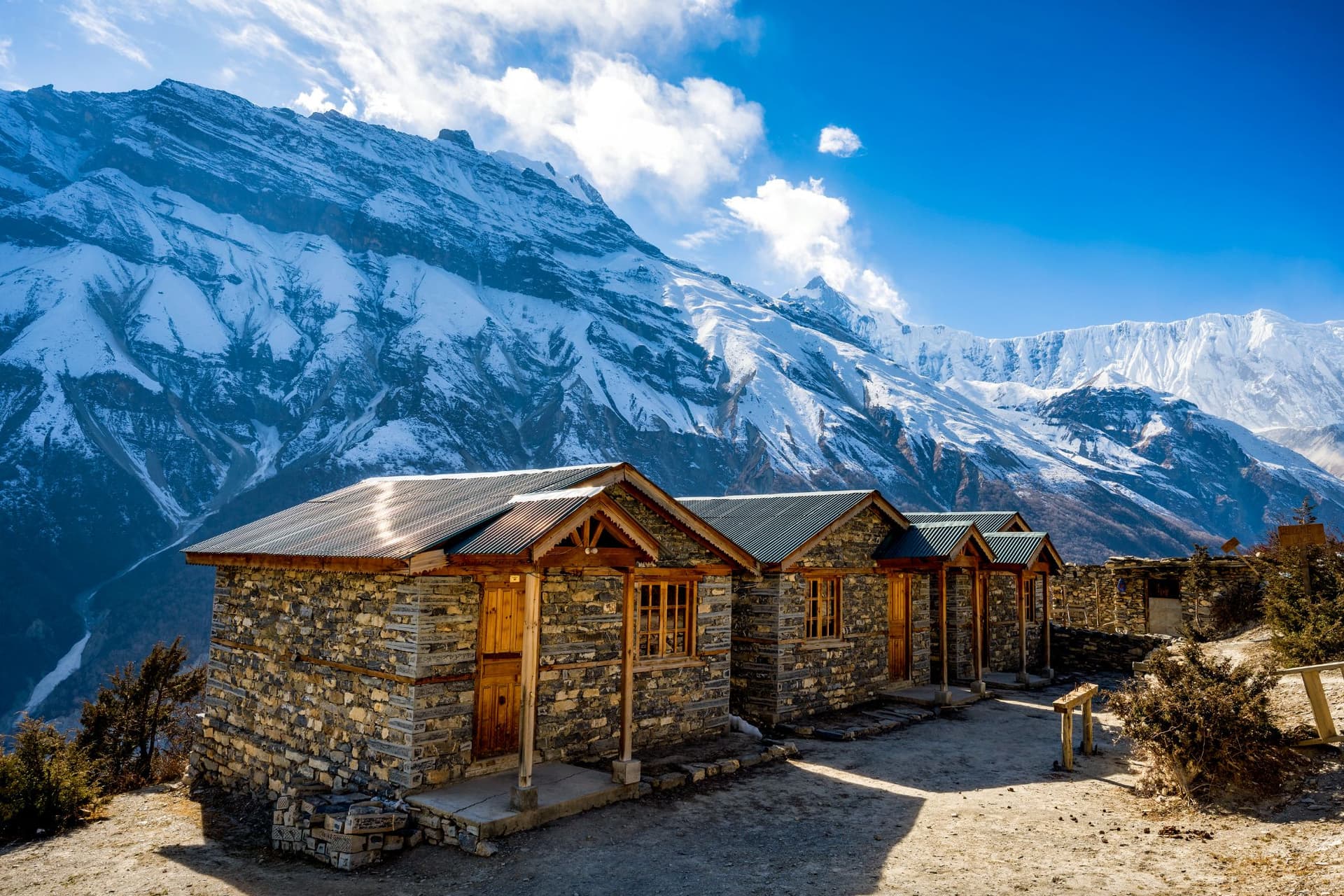
You then descend a bit into the small group of buildings called Tilicho Base Camp, set at the base of tall cliffs. Facilities here are basic: simple rooms, shared toilets, and busy dining halls during peak season. The main goal is to stay warm, rest, and prepare for an early start on the lake.

About Tilicho Base Camp
Tilicho Base Camp (approx. 4,140m) is a purpose-built stop designed primarily for trekkers visiting Tilicho Lake. Located in a confined valley beneath steep rock and snow slopes, it is exposed to rockfall, avalanches, and rapid weather changes, especially outside the prime trekking seasons. Teahouses are sturdy but basic, built to withstand harsh conditions rather than provide luxury. Power and water can be limited, and nights are cold, making proper clothing and a good sleeping bag essential. There are no shops or attractions beyond the lodges—this is a purely functional staging point for the lake hike. While not a place you linger for beauty or culture, Tilicho Base Camp carries a sense of drama and anticipation, reminding you that you’re operating in serious high-alpine terrain where timing, weather, and judgment matter.

Duration5-6 hours
Elevation3760m
MealBreakfast, Lunch, Dinner
AccommodationLocal teahouse
7
Day 9: To Tilicho Lake, Return to Base Camp and Sherpa Kharka7-9 hours

You start before sunrise to make the most of firm morning conditions and stable weather. The trail climbs steadily from Base Camp with switchbacks and open slopes leading to Tilicho Lake. The air is thin and cold, so it’s important to pace yourself and dress in layers. When you reach the top, the lake appears—a wide turquoise basin surrounded by rock walls, glaciers, and snowy peaks, often still and reflective in the early light. You’ll have time to walk along the shore, take photos, and enjoy the quiet at one of the world’s highest lakes.

After soaking it in, you descend carefully back to Tilicho Base Camp, then continue downward toward Shree Kharka. This lower, more sheltered village offers warmer temperatures and a more relaxed atmosphere, making it a much better place to recover after a demanding high-altitude day.

About Shree Kharka
Shree Kharka (around 4,050m) is a small but strategically important settlement on the Tilicho side trail. It’s less confined and exposed than Tilicho Base Camp, with gentler slopes and a more open feel. Teahouses here are still basic but generally more comfortable, and the slightly lower altitude can make breathing and sleeping noticeably easier after the lake push. The landscape is a mix of high pasture and rocky hillside, with expansive views back toward the valley and surrounding ridges. 

For acclimatization, Shree Kharka works well: you’ve climbed to a high elevation at the lake and then descended to a safer sleeping elevation, which supports recovery and further adaptation. In the broader itinerary, Shree Kharka marks the end of the most exposed and intense section of the Tilicho extension, and the route reconnects with the main Annapurna Circuit. It’s a place to rest, regroup, and feel your strength returning.

Duration7-9 hours
Elevation4450m
MealBreakfast, Lunch, Dinner
AccommodationLocal teahouse
8
Day 10: Shree Kharka to Yak Kharka5-6 hours

From Shree Kharka, you descend to rejoin the main Annapurna Circuit near Gunsang, then follow the classic route toward Yak Kharka. The walking is moderate, with a mixture of gentle climbs and descents along high valley walls and open slopes. You’ll pass yak pastures, stone enclosures, and occasional clusters of lodges as the trail contours above the river.

Yak Kharka appears as a group of teahouses and stone-walled fields in a wide, open meadow. The atmosphere is peaceful, with grazing animals, wide-open skies, and broad valley views rather than busy village life. It’s a perfect halfway stop between the Tilicho section and the final stretch to Thorong La.

About Yak Kharka
Yak Kharka (around 4,020m) is a classic high-altitude grazing area, its name literally meaning “yak pasture.” Geographically, it sits on a wide, gentle slope with excellent views up and down the valley, offering a sense of space and calm. Vegetation is limited to grasses and low alpine shrubs, with no trees at this elevation. 

Teahouses here are simple yet sufficient, with warm dining rooms, hearty meals, and basic rooms suited to cold nights. Culturally, Yak Kharka represents the pastoral side of Himalayan life—where yaks serve as transport, food source, and livelihood for local communities. In trek planning, it’s an important acclimatization stop: high enough to maintain adaptation, but easier and less stressful than jumping directly from lower villages to Thorong Phedi. For trekkers, it’s a quiet, scenic place to slow down, check in with your body, and mentally prepare for the big pass ahead.

Duration5-6 hours
Elevation3800m
MealBreakfast, Lunch, Dinner
AccommodationLocal teahouse

View trip detail

Trip Image

Thorong La Pass (5,416m)

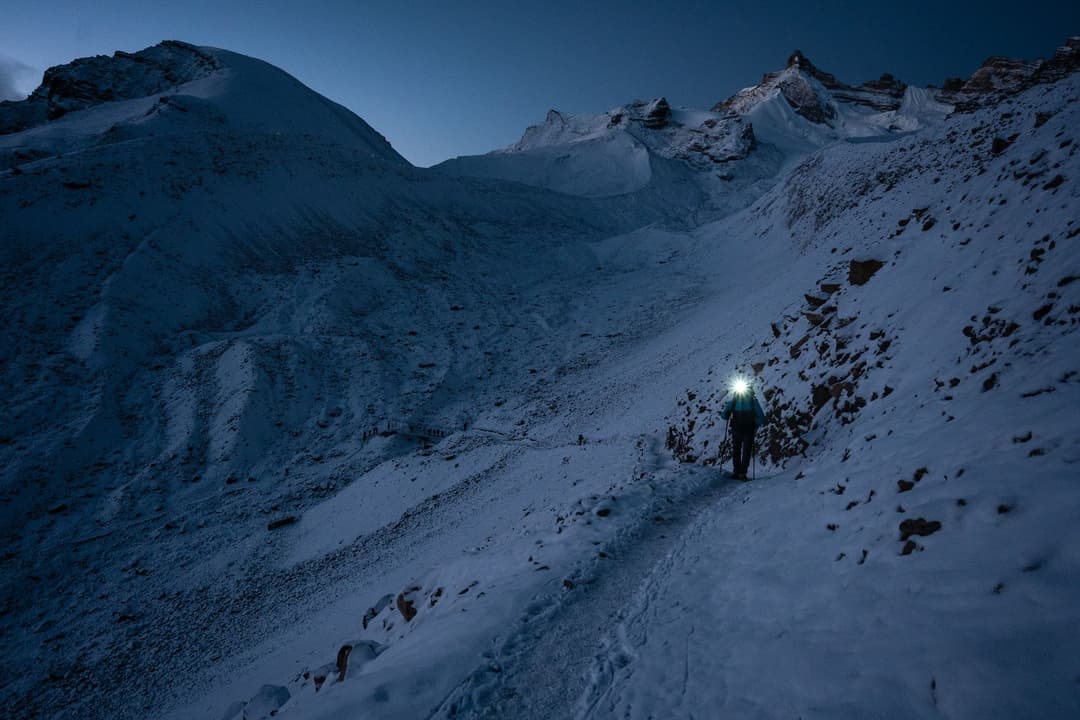
Thorong La is one of Nepal’s great trekking passes. The climb begins before dawn, with trekkers moving under starlight as the air grows colder and thinner. The final push rewards you with sweeping views of the Dhaulagiri and Nilgiri ranges glowing in the early sun. Crossing the pass is challenging but very rewarding. It’s a real achievement and a defining moment of the Annapurna Circuit.
Trip Image

Tilicho Lake (4,919m)

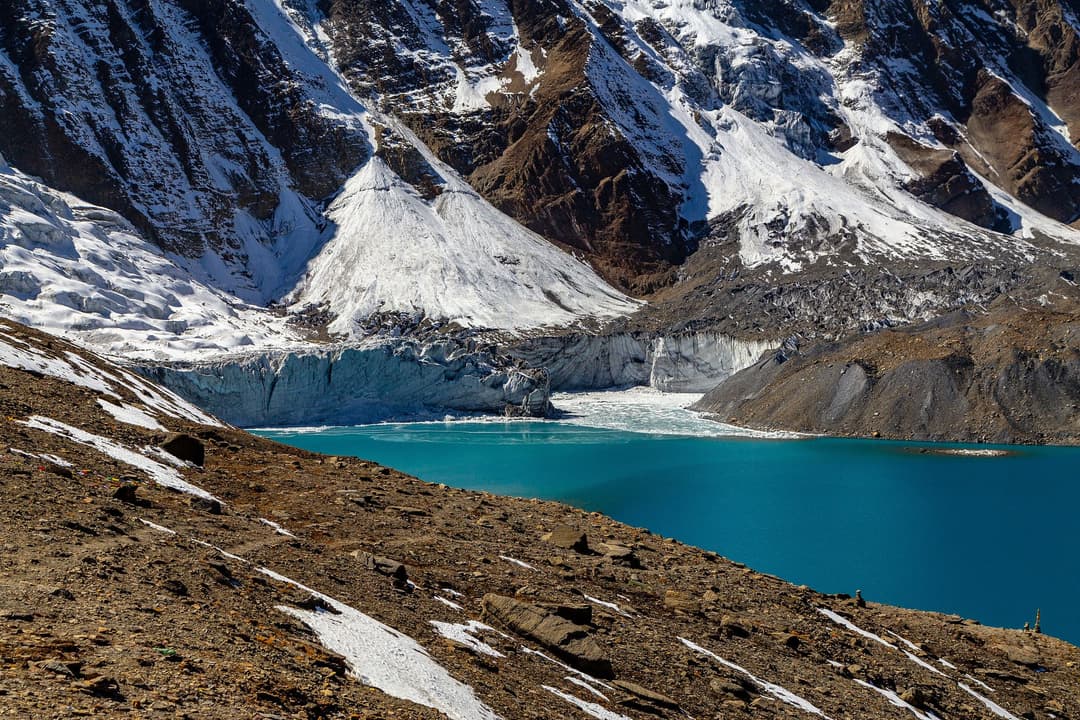
Tilicho Lake is one of the world’s highest lakes and the major spotlight of this trek. The steep, exposed trail to Tilicho crosses rugged slopes and landslide sections, offering breathtaking views of the surrounding glaciers. Reaching the lake feels like stepping into a silent Himalayan sanctuary. Beyond its beauty, the ascent provides excellent acclimatization for the upcoming crossing of Thorong La.
Trip Image

Rich Himalayan Culture

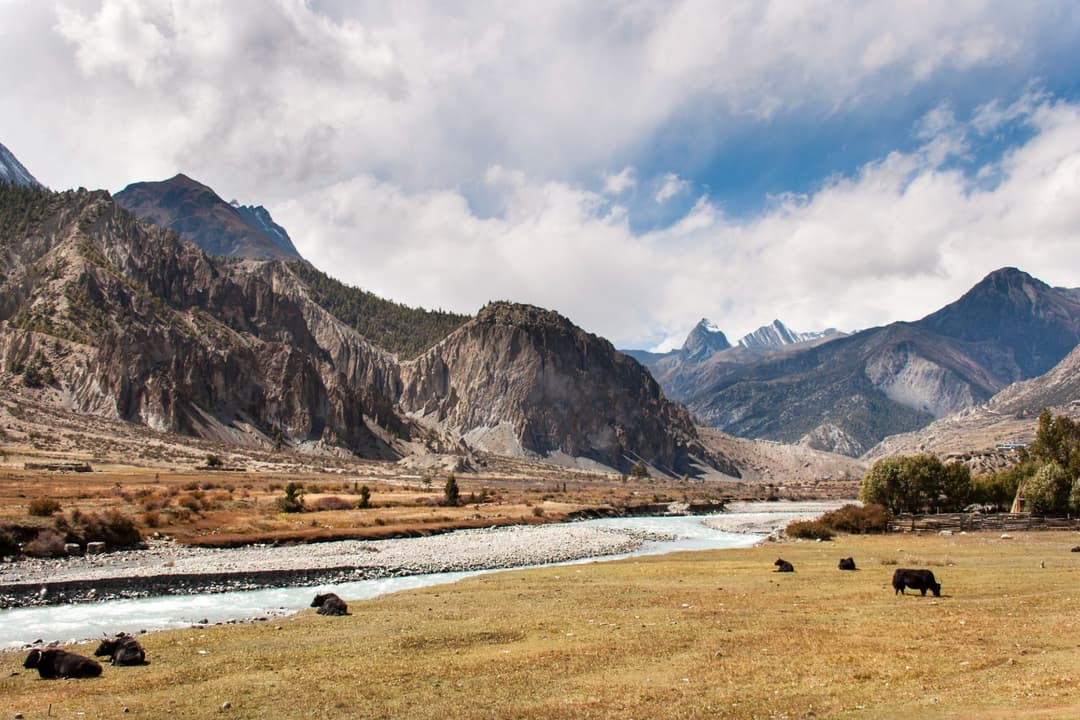
The lower valleys are home to Gurung communities, while the upper regions around Manang reflect strong Tibetan influence. Monasteries, prayer wheels, and stone-built villages offer insight into mountain life shaped by faith, trade, and tradition. Warm greetings, yak caravans, and the sound of prayer flags fluttering in cold wind become part of the daily experience.
Trip Image

Himalayan Landscape Diversity

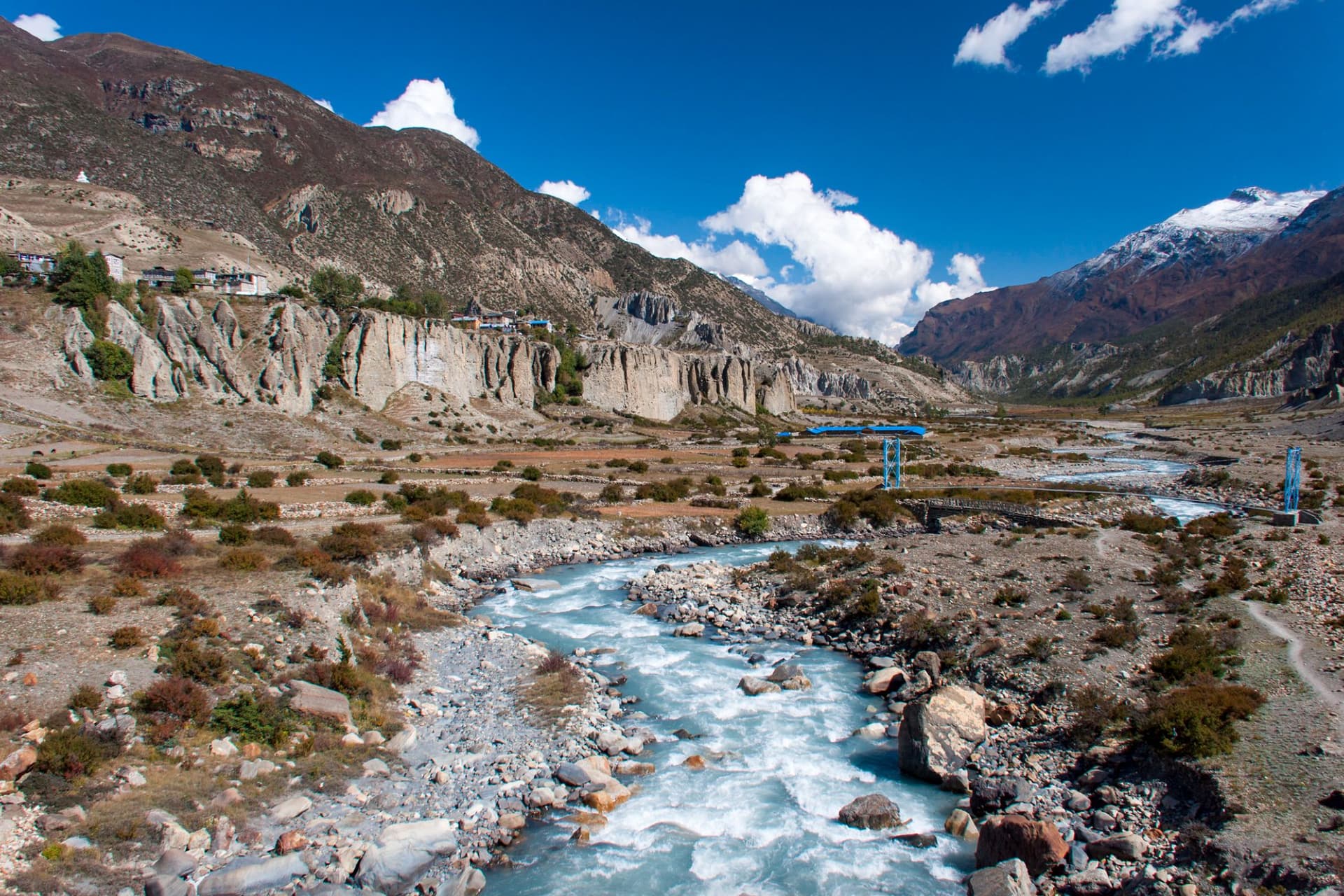
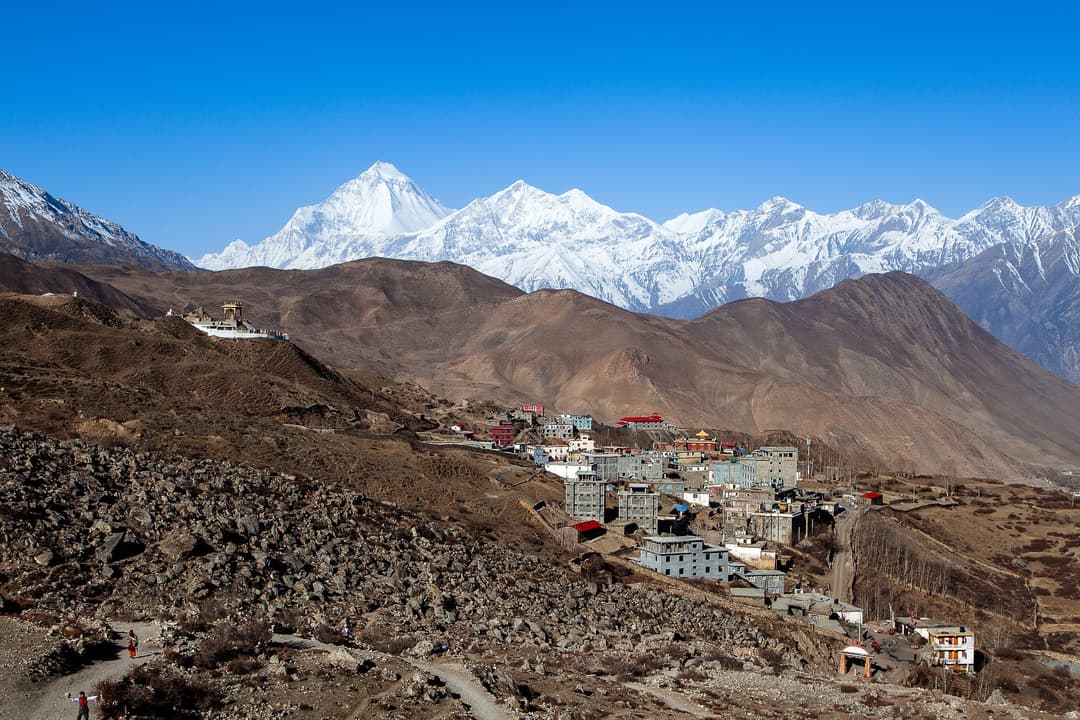
Few treks offer the terrain contrasts of the Annapurna Circuit. The journey begins along the Marshyangdi River, climbing through forests and narrow gorges before opening into the arid alpine world of Manang. Higher up, the landscape transforms again — sharp ridgelines, windswept plains, and panoramic views of Annapurna II (7,937m), Gangapurna (7,455m), Tilicho Peak (7,134m), and Chulu East (6,584m). The dramatic shift in scenery keeps each day fresh, visually rich, and rewarding for trekkers who enjoy variety.

Practical Details

Trip Summary
What's included
What's not included
Side Trips & Acclimatization on the Annapurna Circuit
Trek Requirements & Prerequisites for Annapurna Circuit Trek
Annapurna Circuit Trek Permits & Regulations
Altitude, AMS & Safety Guidelines
Best Time to Trek Annapurna Circuit with Tilicho Lake
Annapurna Circuit Trek Accommodation, Food & Teahouse Experience
Tips for a Successful Annapurna Circuit with Tilicho Trek
Age Limit12 - 80 years
Best SeasonSpring & Summer
Duration14 Days
Max. Elevation5416m
Group Size20 people
Daily Activity5 to 7 hours daily

Frequently Asked Questions

Is the Annapurna Circuit Trek Suitable for Beginners?

Yes, the Annapurna Circuit Trek can be suitable for beginners who are physically fit and well-prepared. We provide expert guidance and support to ensure a safe and enjoyable trek. Our experienced guides will assist with proper acclimatization and help you maintain a comfortable pace throughout the journey. With well-marked trails and welcoming teahouses, we make this iconic trek accessible even to first-time trekkers. Join us and confidently explore the breathtaking landscapes of the Annapurna Circuit.

What Are the Conditions Like at Thorong La Pass?

Thorong La Pass, perched at 5,416 meters, is the highest point of the Annapurna Circuit and presents a unique set of conditions:

- Altitude: The high elevation can lead to altitude sickness, making acclimatization essential. Adequate preparation and a gradual ascent are key to managing the risk.

- Weather: Conditions can be harsh and unpredictable. Prepare for cold temperatures, especially in the early morning and late afternoon. Snow and strong winds are common, particularly during the winter months.

- Terrain: The trail to Thorong La is steep and challenging. It involves careful navigation over rocky and snowy paths, particularly in adverse weather conditions.

- Views: The pass rewards trekkers with stunning panoramic views of the Annapurna and Dhaulagiri mountain ranges, making the effort worthwhile.

At Achieve Treks & Expedition, our expert guides ensure you’re well-prepared for these conditions, helping you navigate safely and fully enjoy this remarkable trek.

Can the Annapurna Circuit Trek Be Done with Children?

Yes, the Annapurna Circuit trek can be done with children, but careful planning and preparation are necessary. Consider the following:

1. Fitness:

Ensure that the children have the stamina for long walks. It’s important to build up their strength through adequate training before the trek, especially to get them used to walking long distances.

2. Altitude:

Proper acclimatization is crucial to prevent altitude sickness. Given the significant altitude changes on this trek, carefully monitor the children's health, ascend slowly, and take plenty of rest to ensure their well-being.

3. Flexibility:

Plan shorter daily distances and include extra rest days. A flexible schedule accommodates slower paces and unexpected stops, allowing the children to rest and enjoy the trek at their own pace.

4. Comfort:

Pack gear and clothing suitable for various weather conditions. While teahouses along the trail offer basic accommodation, it’s essential to bring warm sleeping bags, extra clothing, and comfort items to ensure the children can rest comfortably.

At Achieve Treks & Expedition, we provide tailored support and guidance to ensure families have a safe and enjoyable trekking experience. With thorough preparation, the Annapurna Circuit can become a memorable adventure for clients of all ages.

Can I Customize the Annapurna Circuit Trek?

Absolutely! The Annapurna Circuit Trek can be tailored to fit your preferences and needs. Here’s how:

- Itinerary Flexibility: Adjust the duration of your trek by adding extra days for acclimatization or sightseeing. Options like side trips to Tilicho Lake or Poon Hill can enhance your experience.

- Route Variations: Customize your route by focusing on specific sections or skipping others, based on your interests and fitness levels.

- Accommodation Choices: Choose between upgraded lodges or camping for added comfort, or stick with traditional teahouses for a more authentic trekking experience.

- Guided or Self-Guided: Select a guided trek with our expert staff or opt for a self-guided trek with comprehensive support and logistical assistance.

At Achieve Treks & Expedition, we collaborate with you to design a personalized Annapurna Circuit trek that aligns with your preferences and ensures a memorable adventure.
Still have questions?
We’re here to help, Contact us directly, and our team will provide assistance or check ourSupport page..